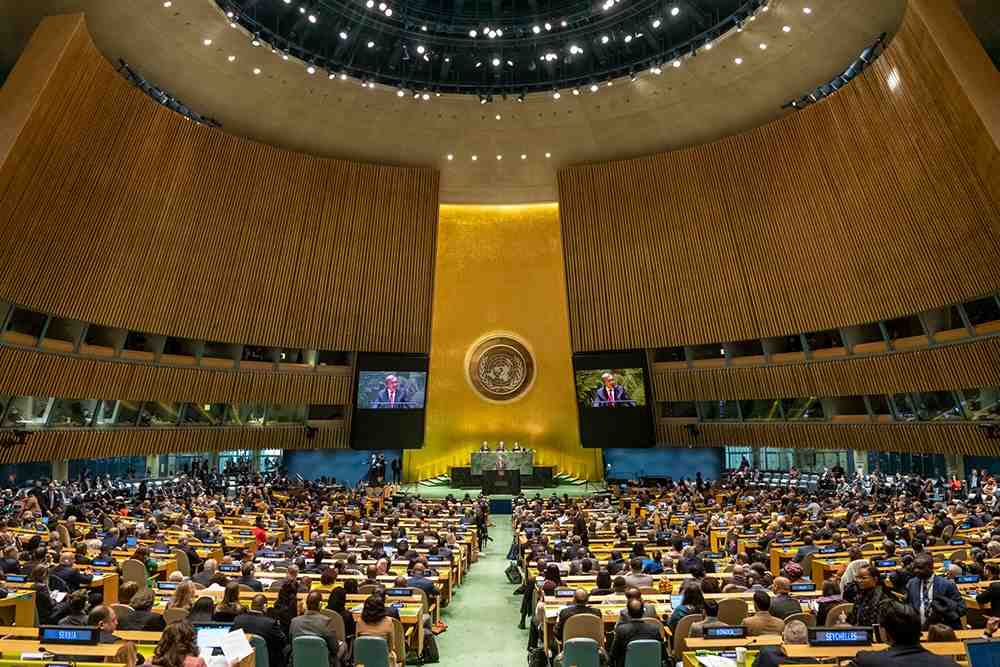
The State of Social Justice 2025, published by the International Labour Organization (ILO) on 23 September 2025, assesses global progress on social justice and examines how well countries are doing in translating legal and institutional promise into lived realities. The report emphasizes that social justice—grounded in human and labour rights—is not automatic from economic growth but requires active policy work, institutional reforms, and inclusive governance. It draws on more than 50 indicators, and interviews in 17 countries, to track where justice is improving and where it’s lagging.
Key Insights
Progress made over decades
Child labour among 5- to 14-year-olds has dropped dramatically: from about 20.6% in 1995 to 7.8% in 2024.
Extreme poverty fell from around 39% in 1995 to about 10% in 2023.
Working poverty also dropped, and secondary school/completion rates have improved.
Remaining challenges
About 800 million people still live on less than US$3/day. Many lack access to safely managed drinking water.
The top 1% of people hold ~20% of global income and ~38% of wealth; large inequality in distribution remains.
Gender labour force participation gap narrowed only marginally (a few percentage points since 1995). Informal employment rates remain very high (~58% of workers).
Collective bargaining rights and freedom of association are weakening in some places; many workers still report exclusion or neglect despite formal protections.
Institutional trust & lived justice
Legal protections alone are not enough—many people say their governments or institutions fail to enforce rights, leaving people to experience injustice despite laws.
Trust in institutions is declining worldwide, with frustration growing over inequalities and perceived unfairness.
Recommendations / what must be done
Manage major societal transitions—climate, technological change, demographic shifts—with fairness: adapt labour institutions, protect rights, ensure policies distribute benefits and risks equitably.
Strengthen legal and labour frameworks, especially for marginalized groups, and ensure they have real access and enforcement, not just formal guarantees.
Improve social protection, ensure better wages, improve dignity at work, and reduce informality.
Enhance opportunities for education, complete school, reduce child labour, and ensure everyone can benefit from economic growth, not only those born into advantage.