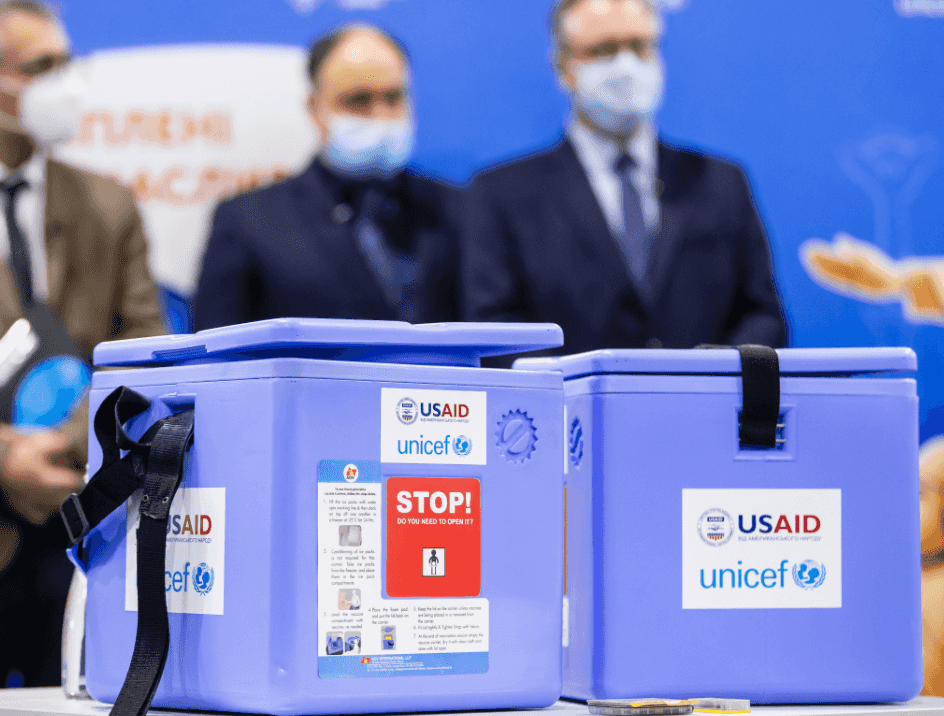
BRUSSELS (Enmaeya News) —The USAID freeze has sparked widespread concern and job losses across multiple sectors worldwide. Now, with EU member states announcing cuts to their aid budgets, the development community is increasingly uncertain about how to fill the growing global funding gap. Germany—the EU’s largest donor, which has contributed over 0.79% of its GDP to development aid—is also set to reduce spending, falling below the UN’s 0.7% target for development assistance.
In 2024, Spain, France, and Italy, along with several other members of the European Union, reduced their development aid compared to the previous year, according to the NGO's report. The UK is anticipated to reduce its aid budget to a historic low outside the EU, with forecasts indicating an expenditure of merely 0.23% of its national income by 2027.
Charlotte Slente, secretary general of the Danish Refugee Council—one of Europe’s largest non-governmental organizations—told The Guardian that the British government should reconsider its decision to shift funding toward defense. “Security is more than just hardware; it is also about soft power. And if you don't invest in humanitarian concerns and help for vulnerable communities, there may be more war, displacement, and instability,” she said.
Her worries reflect bigger debates taking place across Europe. In the midst of escalating global crises and shifting political agendas, the European Union is divided internally on how to deploy its decreasing budget. Key disagreements have erupted over whether to emphasize long-term development goals and global collaborations or to devote spending toward pressing issues like controlling migration and border security. This contradiction raises questions about the EU's status as a worldwide leader in aid and humanitarian assistance.
According to a Euronews article, reallocating funds may harm the EU's international influence and credibility in areas like climate action and development cooperation. The article discusses how persistent budget cuts and internal debates are jeopardizing the bloc's capacity to deliver on its strategic goals, particularly in unstable regions where EU assistance has traditionally been critical.
It is thus a matter of significant concern that the tentative agreement regarding the revision of the EU’s long-term budget, supported by 26 member states, will result in a reduction of at least €2 billion from essential development and climate investments in partner nations to finance migration programs.