







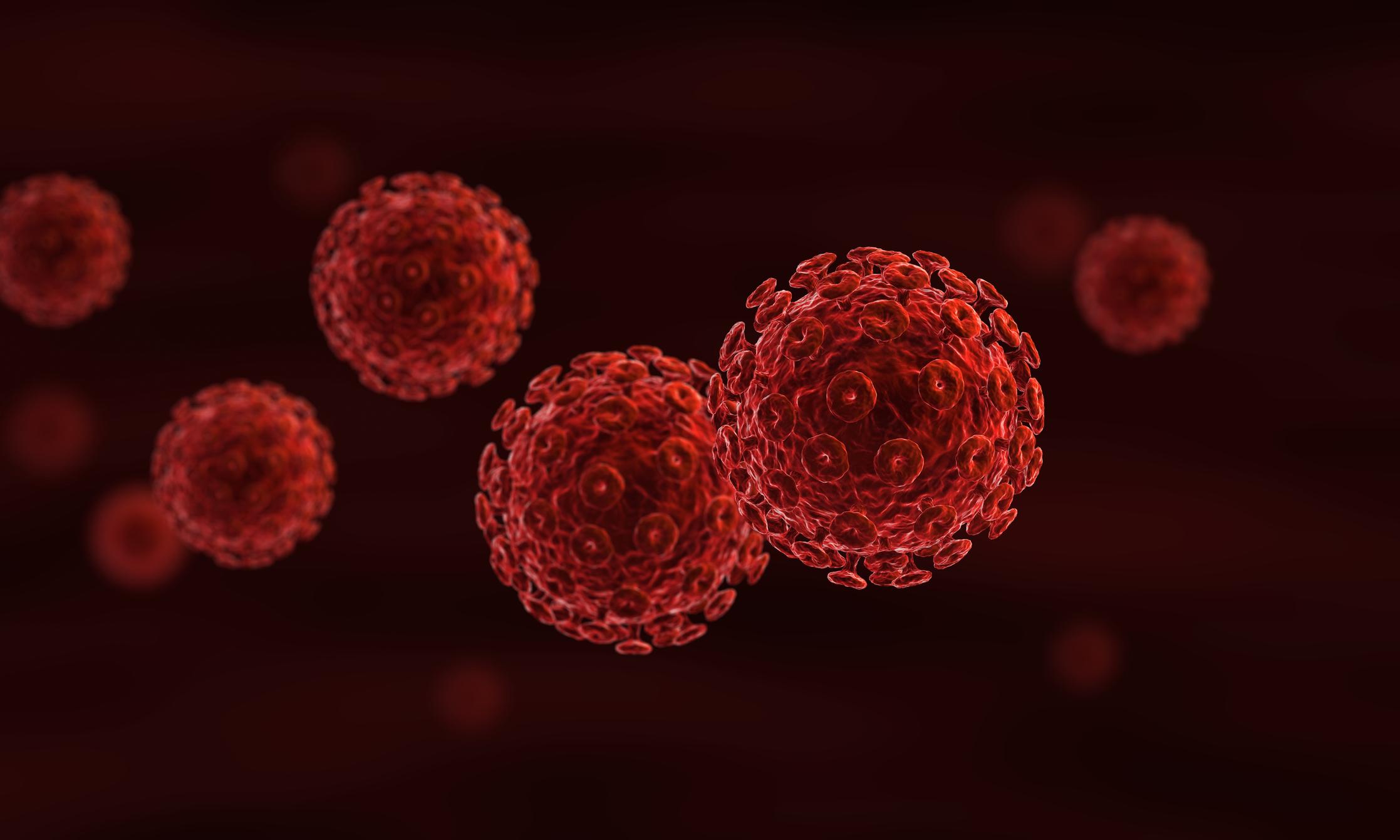
Melbourne, Australia (Enmaeya News) — Scientists in Australia may be closer to finding a cure for HIV after discovering a way to make the virus come out of hiding inside human cells.
Researchers at the Peter Doherty Institute for Infection and Immunity in Melbourne used mRNA, a technology known for its role in COVID-19 vaccines, to target white blood cells where HIV hides. The findings, published in Nature Communications, could help doctors fully remove the virus from the body one day.
One of the biggest challenges in curing HIV is that the virus hides in certain white blood cells, forming a “reservoir” that the immune system and current drugs cannot reach. Even when patients take medication to control the virus, it stays hidden and can become active again.
Dr. Paula Cevaal, a research fellow and co-lead author of the study, said it was once “thought impossible” to get mRNA into the type of cells that carry hidden HIV. Past attempts failed because the cells would not absorb the fat bubbles, called lipid nanoparticles (LNPs), that usually carry mRNA.
The team developed a new kind of nanoparticle, named LNP-X, which these cells can absorb. Once inside, the mRNA tells the cells to expose the virus, making it easier to target and destroy.
“Our hope is that this new nanoparticle design could be a new pathway to an HIV cure,” Cevaal said.
She described the early test results as “too good to be true.” But repeated experiments showed the same success. “All of us were just sitting gasping like, ‘Wow,’” she said.
The research was done in the lab using cells from people living with HIV. More studies are needed in animals, followed by human safety trials, before any treatment could be approved.
“In the field of HIV cure, we have never seen anything close to as good as what we are seeing,” Cevaal said. “That gives us real hope.”
Dr. Michael Roche, co-senior author, said the technology could also be used for other diseases involving white blood cells, such as cancer.
Experts not involved in the study praised the work but warned that more research is needed. Dr. Jonathan Stoye, a retrovirologist at the Francis Crick Institute, called the approach a “major advance,” but said the next step is figuring out how to kill the virus once it is exposed.
“Do you need to eliminate the entire reservoir for success or just the major part?” he asked. “Only time will tell.”
Even with these unknowns, scientists say this new method is a big step forward in the search for a cure.