


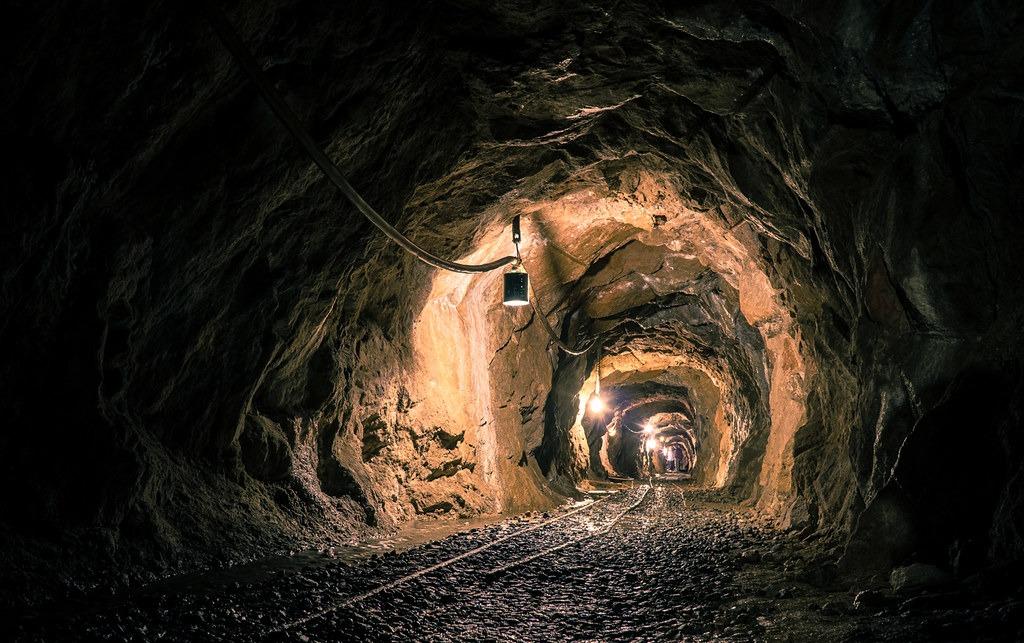
Lebanon (Enmaeya News) — Lebanon’s five most prominent mines reveal the country’s deep geological history and economic potential, despite limited mineral reserves compared to its neighbors.
According to data reviewed by Washington-based Energy Intelligence, Lebanon’s mines and quarries are scattered across the north, south, Bekaa Valley and Mount Lebanon. They play a key role in the construction and industrial sectors, while also reflecting Lebanon’s cultural and environmental identity.
Though the mining sector faces environmental and economic hurdles, these sites remain a vital source of income for thousands of families and, in some cases, serve as cultural landmarks.
The wide distribution of mines points to the variety of natural materials in Lebanon — including limestone, marble, sea salt and basalt — along with exploratory efforts for metals like iron and titanium.
As environmental pressures and economic shifts grow, Lebanon’s mining sector is drawing renewed attention as both an economic driver and a piece of national heritage.
Anfeh Salt Pans
Located in the Koura District of northern Lebanon, the Anfeh salt pans are known as the “white gold mines” for their traditional solar salt production. Tracing back to Phoenician times, they are among the oldest economic facilities in the country.
In the 1960s, the salt pans covered more than 1 million square meters. Today, they have shrunk to less than 200,000 square meters due to urban sprawl and environmental degradation.
Despite the decline, the site still supports local families and is recognized by preservation groups as a cultural landmark. Some have proposed turning it into a protected reserve.
Arsal Quarries
In northern Bekaa, the Arsal region is home to large limestone quarries that produce the widely used “Arsali stone.” Known for its strength and light color, the stone is popular for construction and decorative architecture.
Quarry operations extend to nearby towns such as Labweh and Ras Baalbek and serve both local and export markets. However, concerns over environmental damage have sparked calls for more sustainable mining practices.
Kfarhazir Quarry
In northern Lebanon’s Koura District, the Kfarhazir quarry is operated by cement company Holcim and supplies limestone to nearby cement factories.
The site has drawn criticism from environmental groups over its impact on air quality, water resources and natural landscapes. Activists have called for a review of operating permits and the exploration of greener alternatives.
Hasbaya’s Hummar Mines
Near the western edge of Hasbaya in southern Lebanon lies a lesser-known but significant natural resource: hummar — a black, tar-like substance formed from solidified oil residues.
Discovered during the French mandate, hummar was mined commercially until the early 1970s, when operations stopped due to Israeli airstrikes. Experts estimate around 8 million tons of the material remain underground, spread across 32 square kilometers.
With a purity level of 97%, hummar is suitable for use in paints, insulation, medicine and pesticides. Lebanese experts believe reviving mining could provide a valuable economic lift.
Untapped Mineral Potential
Geological studies in southern and eastern Lebanon have identified small traces of iron, titanium, copper and even gold — though none in commercially viable quantities so far.
Experts say these findings could hold long-term promise if Lebanon invests in infrastructure and applies careful, science-based planning for future mineral development.
A Resource Worth Protecting
Lebanon’s top five mines are more than just economic assets. They represent a part of the country’s natural and cultural heritage. As the country navigates economic hardship and environmental risks, experts are calling for smarter resource management that balances development with preservation.