


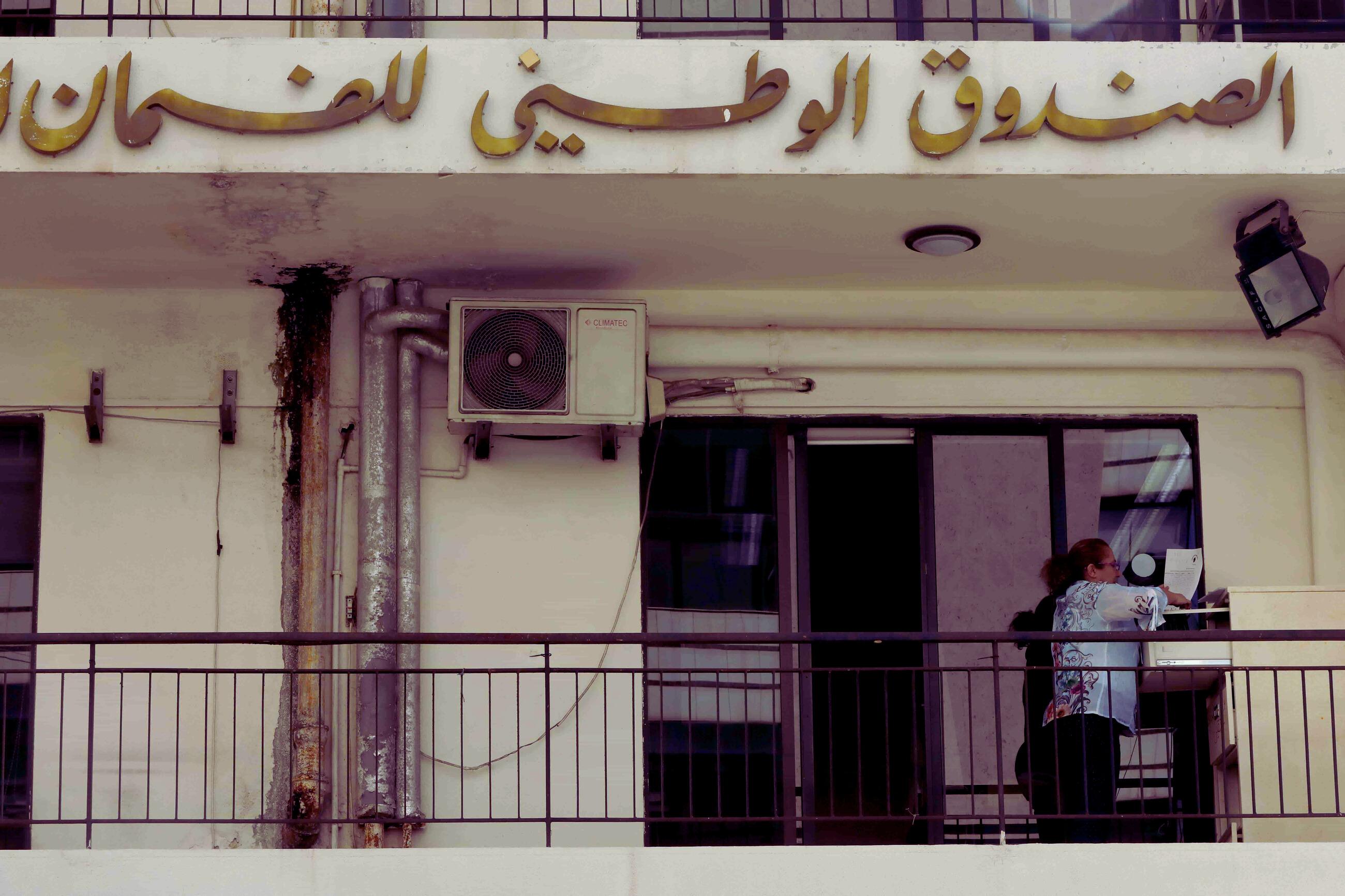
Beirut, Lebanon (Enmaeya News) — More than five years after Lebanon’s financial collapse, end-of-service indemnities remain mired in uncertainty and inequity. For thousands of workers who received payouts between 2019 and 2023, what was once a source of financial security has turned into a major loss, eroded by the devaluation of the Lebanese pound and a sharp decline in purchasing power.
With no clear corrective path in place, the issue remains stalled amid legislative inaction.
Employers Refusing to Pay Settlements
End-of-service payments depend on settlements, extra sums that cover the gap between social security contributions made during employment and the final amount owed when workers leave their jobs. Many employers refuse to pay these settlements, especially when amounts grow due to currency exchange fluctuations.
Racha Jaafar, technical director at the National Social Security Fund (NSSF), said employers often challenge calculations based on an outdated government budget law that fixed the exchange rate at 15,000 Lebanese pounds until March 2023, and 89,500 pounds starting in 2024. “This mechanism is temporary,” she said, and that that a new law is needed to create a fairer system.
At the same time, the NSSF must follow current laws requiring payments to be based on the last salary and contributions made during employment.
Legal Disputes Halt Payments
Many employers file lawsuits to stop indemnity payments, causing delays that can last months or even years. Once a dispute is filed, the fund cannot release any money until a final court decision is made.
Jaafar explained that the Social Security Fund can still pay cases without disputes. She added that if a worker files a complaint, the fund’s inspectors review their actual earnings to calculate the correct compensation.
Funding Gaps and Underreporting
Employers contribute 8.5% of workers’ monthly salaries to a fund for end-of-service benefits. But the collapse of the pound and widespread underreporting of salaries have made these contributions insufficient.
If payments are late, cases go to the NSSF’s legal department, which can seize assets. Many disputes stem from employers declaring lower wages than workers earn, reducing compensation amounts. Inspectors investigate to ensure payments reflect actual earnings.
Workers Paid Between 2019 and 2023 Hardest Hit
Those paid between 2019 and 2023 suffered the most as their compensation’s value dropped sharply. Jaafar said the NSSF cannot recalculate past payments without new legislation. “Any change must be made through law or official decree,” she explained.
Nabil Fahd, vice president of the Beirut and Mount Lebanon Chamber of Commerce, said companies that paid indemnities during that time are now being asked to pay again, despite the original funds losing value. He called the situation unfair to businesses, while acknowledging workers also lost their rights.
Proposed Solutions Stalled
Several solutions have been proposed. MP Faisal Karami suggested recalculating half of past benefits at a rate of 45,000 pounds per dollar, with costs split between the government and employers. But the General Labor Union rejected the plan, calling it unfair to workers.
Fahd suggested securing a World Bank loan to cover payments, allowing businesses to repay over time. “This would protect employees without harming companies,” he said.
Risk of Accounting Insolvency
Fahd warned many companies list liabilities they cannot pay, making them appear bankrupt on paper. He stressed the need for a comprehensive solution to protect both workers and businesses.
Legislative Challenges
Parliament’s Health and Labor Committee has met several times but not reached a final decision. A partial compensation plan has been proposed but not yet passed.
MP Bilal Abdallah said the long-term fix lies in a new retirement and social protection system passed last year but not yet activated. It does not cover workers who already received payments.
Workers Still Waiting
Proposed fixes include temporary settlements, foreign loans, and a new pension system, but none are finalized. With ongoing legal and political delays, workers remain the biggest losers in Lebanon’s ongoing crisis.