





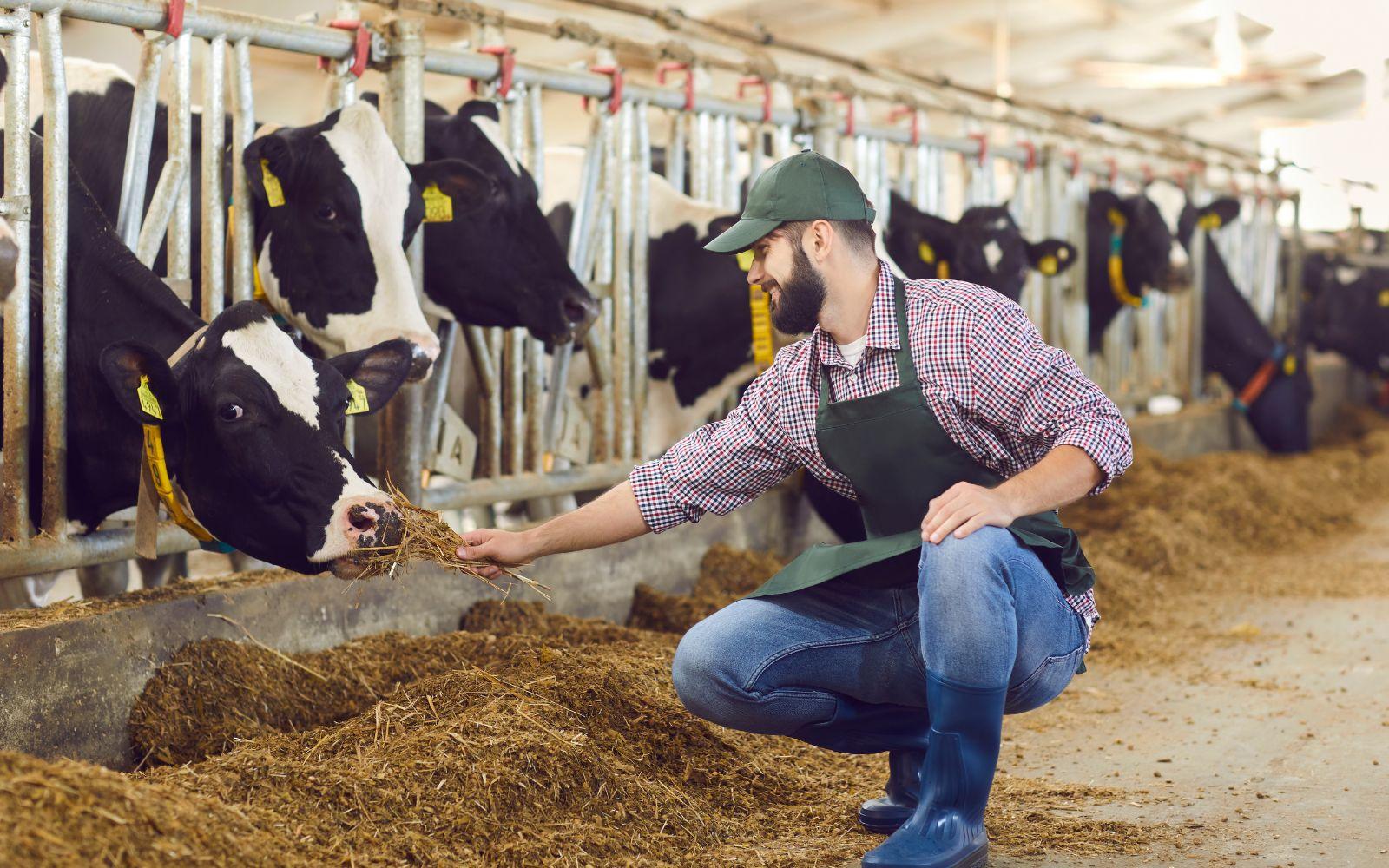
Beirut, Lebanon (Enmaeya News) — Lebanon’s Ministry of Agriculture announced a new $4.5 million project to reduce production costs in the dairy value chain and create job opportunities for vulnerable farmers.
The project will be implemented in cooperation with the Food and Agriculture Organization of the United Nations (FAO) and funded by a grant from the PROSPECTS Global Partnership, through the World Bank.
Agriculture Minister Nizar Hani said the partnership reflects a shared commitment to reviving agriculture as a driver of resilience, recovery and inclusive development.
“The ministry supports dairy farmers, especially the most vulnerable, investing in food security, social cohesion and sustainable rural livelihoods,” Hani said. “This project is a key step in modernizing the livestock sector and empowering farming communities.”
The ministry said the project will support about 3,175 farms involved in dairy and fodder production across Lebanon.
It aims to create jobs for vulnerable Lebanese and Syrian displaced persons within the livestock value chain.
Small-scale farmers and displaced persons will receive matching grants and technical support to increase productivity, improve production and enhance working conditions.
Women are expected to make up at least 25 percent of beneficiaries.
The project will also develop the dairy value chain through a demand-driven approach and partnerships between Lebanese farmers and commercial partners.
Investments will focus primarily on energy-efficient infrastructure and equipment in the dairy sector.
The ministry said the project will boost its capacity to deliver services through innovative digital tools and will fund mobile veterinary clinics and laboratories to support veterinary and livestock services.
Jean-Christophe Carret, World Bank regional director for the Middle East, said agriculture is a vital source of livelihood for vulnerable rural communities and key to job creation and poverty reduction in Lebanon.
“By supporting job creation in this sector, the project will help vulnerable families increase income and improve living conditions,” Carret said.
Veronica Quattrola, acting FAO representative in Lebanon, said the project offers hope and opens opportunities for decent jobs.
“It strengthens livelihoods and builds a future where vulnerable farmers and displaced families can thrive together through resilience and shared growth,” she said.
