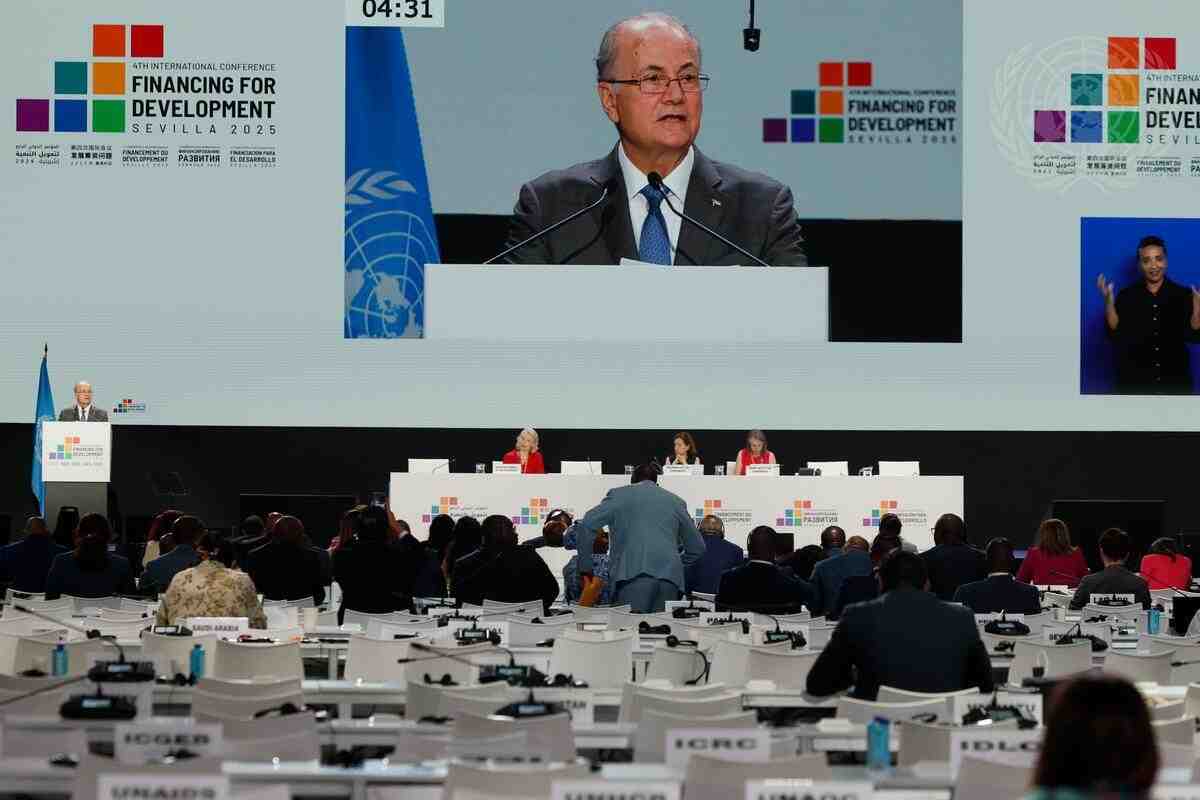
Seville, Spain (Enmaeya News) — The Fourth International Conference on Financing for Development (FFD4) commenced today in Seville, Spain, with over 70 heads of state, finance ministers, and leaders from development organizations and civil society gathering to tackle the urgent $4 trillion annual financing gap hindering progress toward the United Nations' 2030 Sustainable Development Goals (SDGs).
Co-hosted by the United Nations and the Spanish government, the four-day summit aims to reform global financial systems to better support sustainable development. Key topics on the agenda include debt relief, climate finance, international tax reform, and the reform of global financial institutions.
Seville Commitment: A Blueprint for Global Development Financing
The conference’s outcome document, known as the “Seville Commitment,” was adopted by consensus on June 17, 2025. It sets out a comprehensive framework to tackle global financing challenges, focusing on several key areas. Among its proposals are debt relief mechanisms, including debt swaps and disaster-related debt pause clauses designed to ease the financial burdens faced by developing nations.
The Seville Commitment also emphasizes boosting climate finance to support adaptation and mitigation efforts, especially in vulnerable regions. It calls for tax reforms aimed at increasing revenues through measures such as taxes on pollution and the ultra-wealthy. Additionally, the document urges a significant increase in lending from multilateral development banks to fund infrastructure and development projects, alongside encouraging private sector investment in sustainable development initiatives.
U.S. Withdrawal and Global Reactions
Despite broad participation, the United States has withdrawn from the summit and rejected the outcome document. U.S. officials expressed concerns over proposed governance changes and financial frameworks, labeling the text as "far too long and too prescriptive" and objecting to efforts to redefine sustainable development and the mandates of the SDGs.
The U.S. withdrawal has drawn criticism from various quarters. Spanish Prime Minister Pedro Sánchez expressed disappointment, emphasizing Spain's commitment to allocating 0.7% of its GDP to development aid. Civil society groups, including Greenpeace and African advocacy organizations, have called for more ambitious actions, such as debt cancellation and fairer tax policies, to address the challenges faced by developing nations.
Protests and Public Sentiment
Ahead of the conference, activists marched in Seville to demand debt cancellation, climate justice, and higher taxes on the wealthy. Demonstrators highlighted the struggles of many developing nations grappling with rising debt, reduced aid, and trade barriers, with over 3.3 billion people living in countries that spend more on debt servicing than on health or education.