







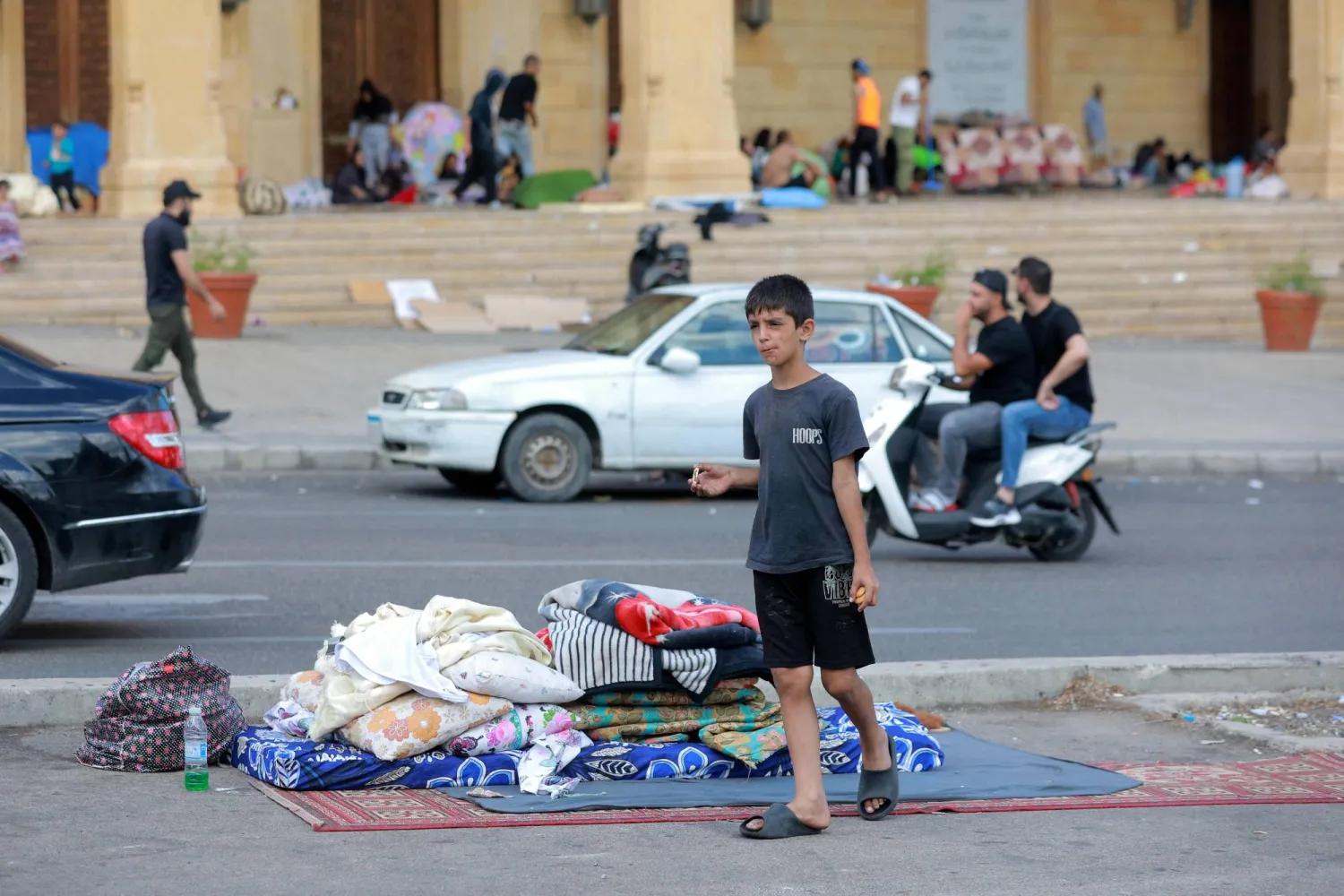
Beirut, Lebanon (Enmaeya News) — Lebanon’s recent displacement crisis has highlighted the urgent need to include mental health care in humanitarian aid. Nearly 1 million people were forced to leave their homes due to rising violence, and experts say psychological support must be part of the response from the start.
Zainab Chamoun, coordinator of The Lebanon Displacement Diaries and a displaced person herself, spoke about the deep emotional impact on those who fled. Many have lost loved ones, homes, routines, and a sense of safety, which adds to their trauma.
Humanitarian groups like the International Committee of the Red Cross (ICRC) have set up community mental health programs. These include support groups, volunteer training to help peers, and hotlines offering psychological support during the crisis.
Experts warn that marginalized groups — including people with disabilities, LGBTQI+ individuals, and refugees from Syria and Palestine — face extra barriers to getting mental health care. Jasmin Lilian Diab, director of the Institute for Migration Studies at Lebanese American University, said these challenges make vulnerable people even more at risk.
There is also criticism about slow and uncoordinated aid. Sarah Mawed, a gender-based violence protection officer at the Danish Refugee Council in Lebanon, said delays in mental health services have made suffering worse. She called for better planning and faster help in future crises.
At a recent meeting, experts shared ideas to improve mental health care for displaced people. They recommended starting support early, using community and peer programs, ensuring all groups can access help, and improving coordination among aid agencies.
As Lebanon faces the ongoing displacement crisis, focusing on mental health is key. It helps people heal and builds stronger communities during hard times.