

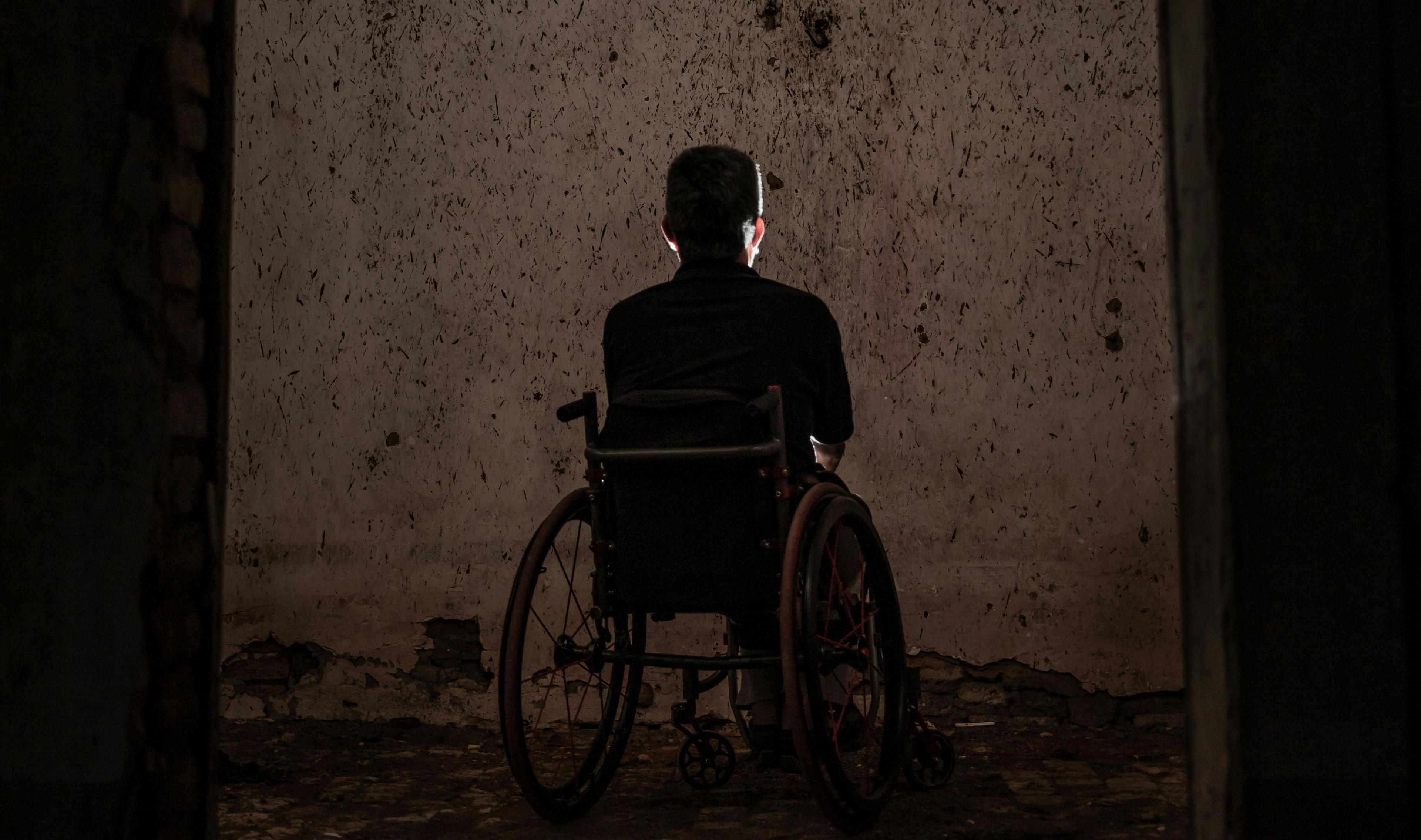
Beirut, Lebanon (Enmaeya News) — Adults with special needs face significant challenges that require tailored care addressing their daily lives, mental abilities, and physical capacities.
While families and care centers support them during childhood, adulthood brings new hurdles. The gap between available services and growing needs—especially in vocational training and independent living—is widening, raising urgent questions about their future.
In Lebanon, institutions equipped to support adults with special needs are scarce. Many remain dependent on family care and isolated from society. Globally, awareness of the rights of adults with disabilities to education and employment has grown only in the past decade, stressing the need for social inclusion.
Lebanese advocacy group OpenMinds has raised the issue through its “Let’s Talk About Tomorrow” campaign. Partnering with other organizations and universities, they ask: What future awaits these adults? Can they gain independence or join the workforce? Will society continue to treat them as perpetual children, ignoring their potential?
OpenMinds Vice President Rima Faddoul said services for adults in Lebanon are limited to a few programs offering academic and vocational training in fields like agriculture, cooking, hospitality, and graphic design.
Beyond training, there is a pressing need for independent living options—safe housing with professional support, especially when families cannot provide care. While such transitional communities exist abroad, they are rare in Lebanon.
Funding remains a major barrier. Government support is minimal and irregular due to Lebanon’s financial crisis. Civil society groups are trying to fill the gap but face challenges in securing sustainable funding. Without coordinated efforts, the path to independence for many adults with special needs remains uncertain.