


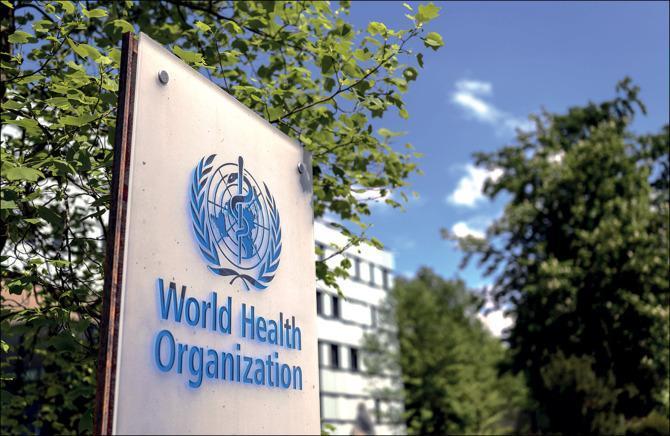
Geneva, Switzerland (Enmaeya News) — Health aid is projected to decline by up to 40% in 2025 compared with 2023 levels, falling from more than $25 billion to about $15 billion, according to estimates from the World Health Organization (WHO). The figures were presented earlier this month at the INSPIRE forum, hosted by the Asian Development Bank.
This aid level would be lower than in 2015, when funding topped $18 billion.
The decline is largely due to significant cuts by major donor countries, including the United States — the world’s largest sovereign health donor — and several European nations.
Many low-income countries rely heavily on external aid for health services. The cuts could weaken their ability to respond to disease outbreaks and increase the number of people paying for health care out of pocket. High out-of-pocket costs can push families into poverty.
WHO data shows that between 2000 and 2022, health spending in low-income countries rose mainly because of donor aid and out-of-pocket payments, with the latter making up over 40% of total health spending in low- and lower-middle-income countries.
In Africa, out-of-pocket spending accounted for more than 50% of total health spending in 11 countries, including Equatorial Guinea, classified as an upper-middle-income country by the World Bank.
Kalipso Chalkidou, WHO director of governance, financing, economics, primary health care, and universal health coverage, said, “Countries need to spend more on health. Full stop. They need to prioritize domestic public spending on health.”
In response to aid cuts, health leaders have called for blended financing and health taxes to boost domestic health spending.
Other funding sources include improving tax collection and combating illicit financial flows. Debt relief or restructuring could also free up funds for health.
Special Drawing Rights, international reserves managed by the International Monetary Fund, can be used to respond to crises or increase lending capacity of multilateral development banks.
Debt-for-development swaps, where countries reduce debt and redirect funds to development projects such as health initiatives, are another option.
These mechanisms have helped address climate change impacts and support education, and they could be expanded to benefit health, Chalkidou said.
“The problem I think we have is one of scale,” she told Devex. “The scale of the solutions is just orders of magnitude lower than the scale of the gap we’re perceiving.”