


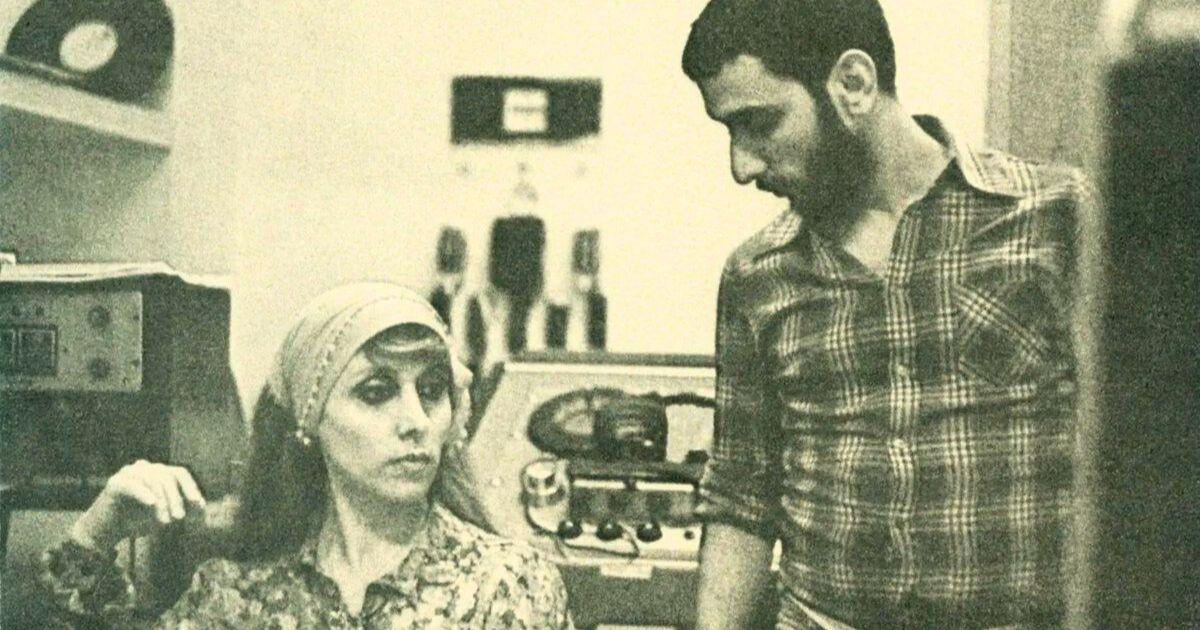
Beirut, Lebanon (Enmaeya News) — On Saturday, July 26, 2025, Lebanon and the Arab world lost one of its most influential and daring artists. Ziad Rahbani, the visionary composer, playwright, and pianist, passed away at the age of 69. His death leaves a profound void in the cultural fabric of Lebanon; a country whose stories he so powerfully helped tell.
Born in 1956 in Antelias, Lebanon, Ziad was the eldest son of two legendary figures in Arabic music — the iconic singer Fairuz and composer Assi Rahbani. Growing up in a household filled with music and artistic vision, Ziad developed his own distinctive voice early on. His fearless blending of jazz, classical, and traditional Arabic music challenged conventions and connected across generations, establishing him as a pioneer in Lebanese music and theater.
Ziad Rahbani’s work extended far beyond melody and rhythm. Through his sharp wit and bold satire, he used his art to give voice to the hopes, frustrations, and struggles of everyday Lebanese people. His plays, such as "Film Ameriki Tawil," "Nazl el-Sourour," and "Bennesbeh Labokra Chou?" combined humor with incisive social commentary, reflecting Lebanon’s complex realities.
Working closely with his mother, Fairuz, Ziad helped create timeless songs like “Sa’alouni El Nass” and “Kifak Inta” — pieces that continue to move hearts and define Lebanese cultural identity.
For many, Ziad was not only an artist but the heartbeat of a generation searching for truth, change, and resilience through creative expression.
His art was never mere entertainment. It was a mirror reflecting Lebanon’s reality and the contradictions of everyday life. Ziad’s work challenged audiences to think critically, while also offering moments of laughter and hope.
Ziad Rahbani’s death marks the end of an era, but his legacy continues to inspire and provoke thought. His fearless creativity and unwavering commitment to truth have secured his place as a central figure in Lebanon’s—and the region’s—artistic and intellectual history.