







Kamchatka, Russia (Enmaeya News) – A powerful earthquake of 8.8 magnitude hit the eastern coast of Russia early Wednesday, near the Kamchatka Peninsula, a remote area in the far east of Russia.
The powerful quake triggered widespread tsunami alerts across the Pacific. Authorities in Russia (Kamchatka coast), Japan, the United States—including Hawaii, parts of Alaska, and the West Coast—and other Pacific regions like Guam, the Philippines, Taiwan, Indonesia, Chile, Ecuador, and New Zealand ordered evacuations from coastal areas, warning residents to move quickly to safer, elevated location.
Waves Hit Shores, No Big Damage Yet
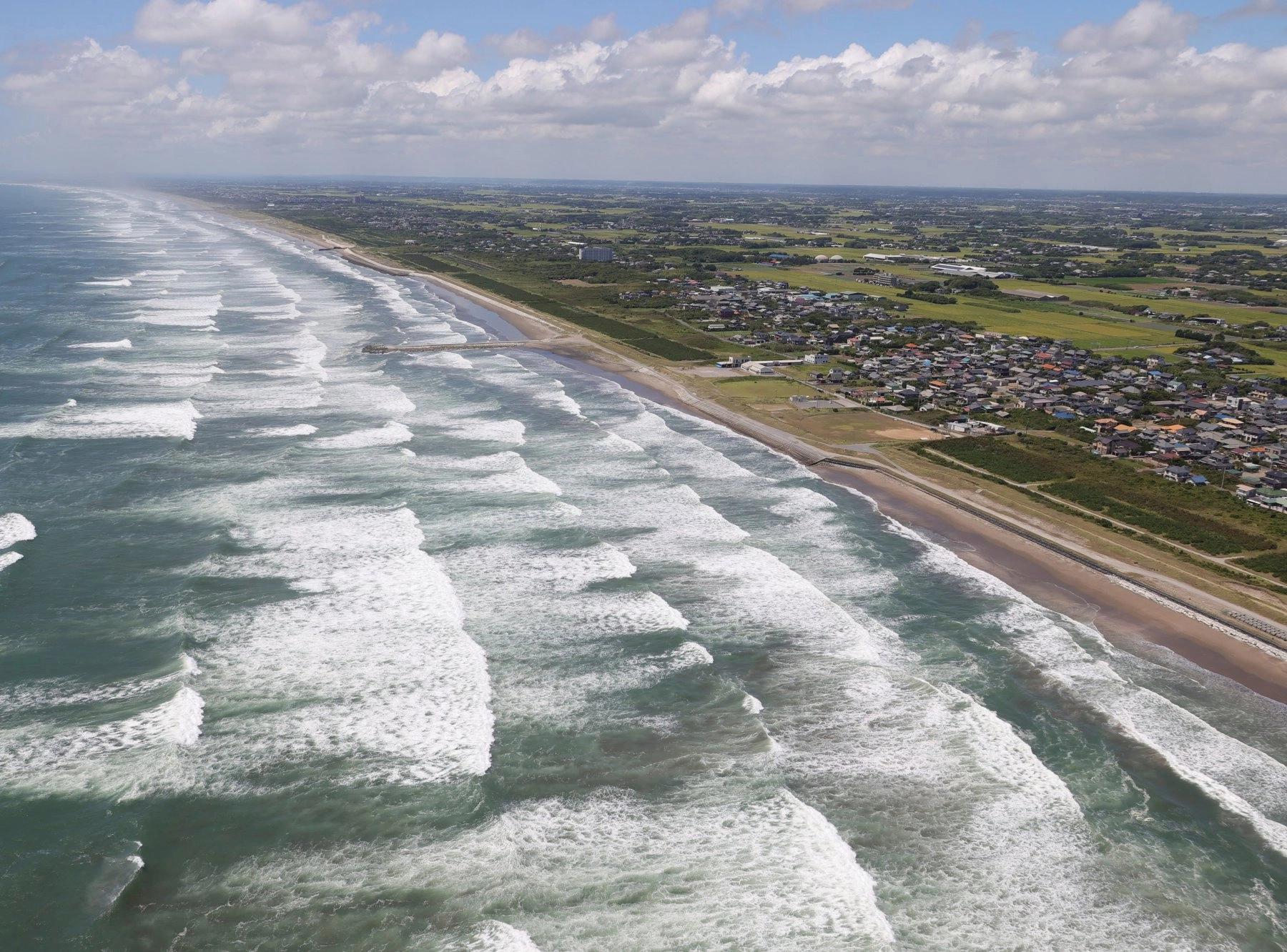
In Russia, tsunami waves up to 4 meters high (around 13 feet) were seen on the coast of Kamchatka. In Japan, smaller waves reached the island of Hokkaido, and similar waves were also reported in Alaska.
In Hawaii, people heard tsunami sirens early in the morning. It was the first time in over 10 years that the warning system was activated there. Schools closed, and people were asked to stay away from the beaches. Luckily, the waves in Hawaii were not strong, and there was no serious damage.
Emergency Response in Russia
Russian emergency teams helped evacuate towns and villages near the coast before the tsunami arrived. The government announced a state of emergency in affected areas.
Roads and buildings in some places were damaged. Electricity was cut in some regions, and communication lines were down for several hours. As of now, no deaths or serious injuries have been reported.
“This is one of the strongest earthquakes we’ve had in this area in many years,” said Anna Kiseleva, a scientist from the Russian Seismology Center. “There may be more aftershocks soon, so people should stay alert.”
Why It Happened
Kamchatka sits on the Pacific "Ring of Fire," a region where earthquakes and volcanic eruptions happen often due to intense tectonic activity. It also lies on a major subduction zone, where powerful earthquakes — between magnitude 7.4 and 9.0 — have struck regularly over the past century.
One of the most destructive quakes in the area happened in 1952, when a magnitude 9.0 earthquake hit Severo-Kurilsk, triggering tsunami waves up to 18 meters high. More than 2,300 people were killed, and even Hawaii was affected by waves as high as 9 meters, though no lives were lost there.
Another strong quake occurred in 2006 in the Kuril Islands, with a magnitude of 8.3. It created tsunami waves nearly 22 meters high and caused injuries, but no deaths.
Due to major improvements in warning systems and emergency response, the recent 8.8-magnitude earthquake caused much less damage and fewer risks compared to those past disasters.
What’s Next?
Experts say more waves and aftershocks are possible in the coming hours and days. Many coastal areas in Russia will stay closed for now.
President Vladimir Putin has ordered help for the region. Emergency services and the military are working together to keep people safe and repair the damage.