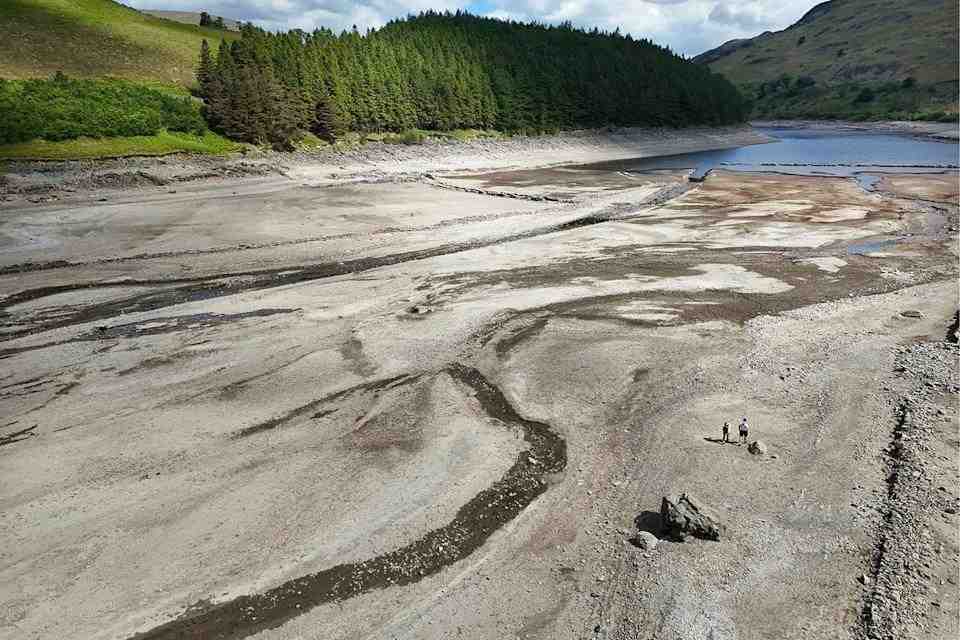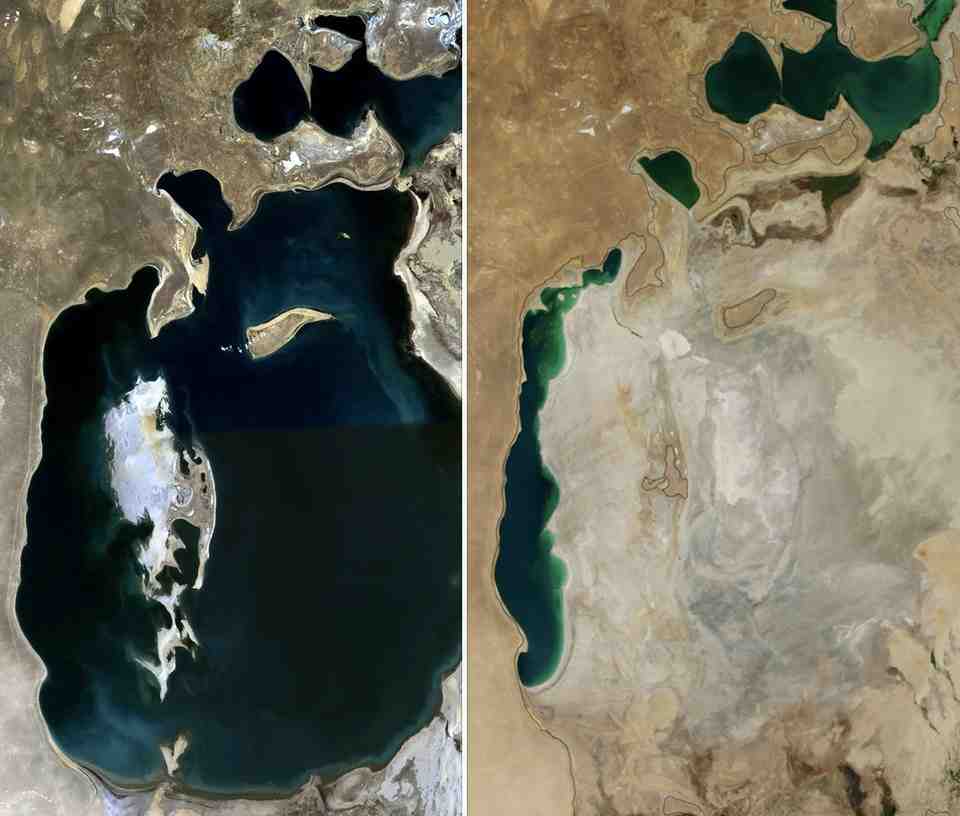


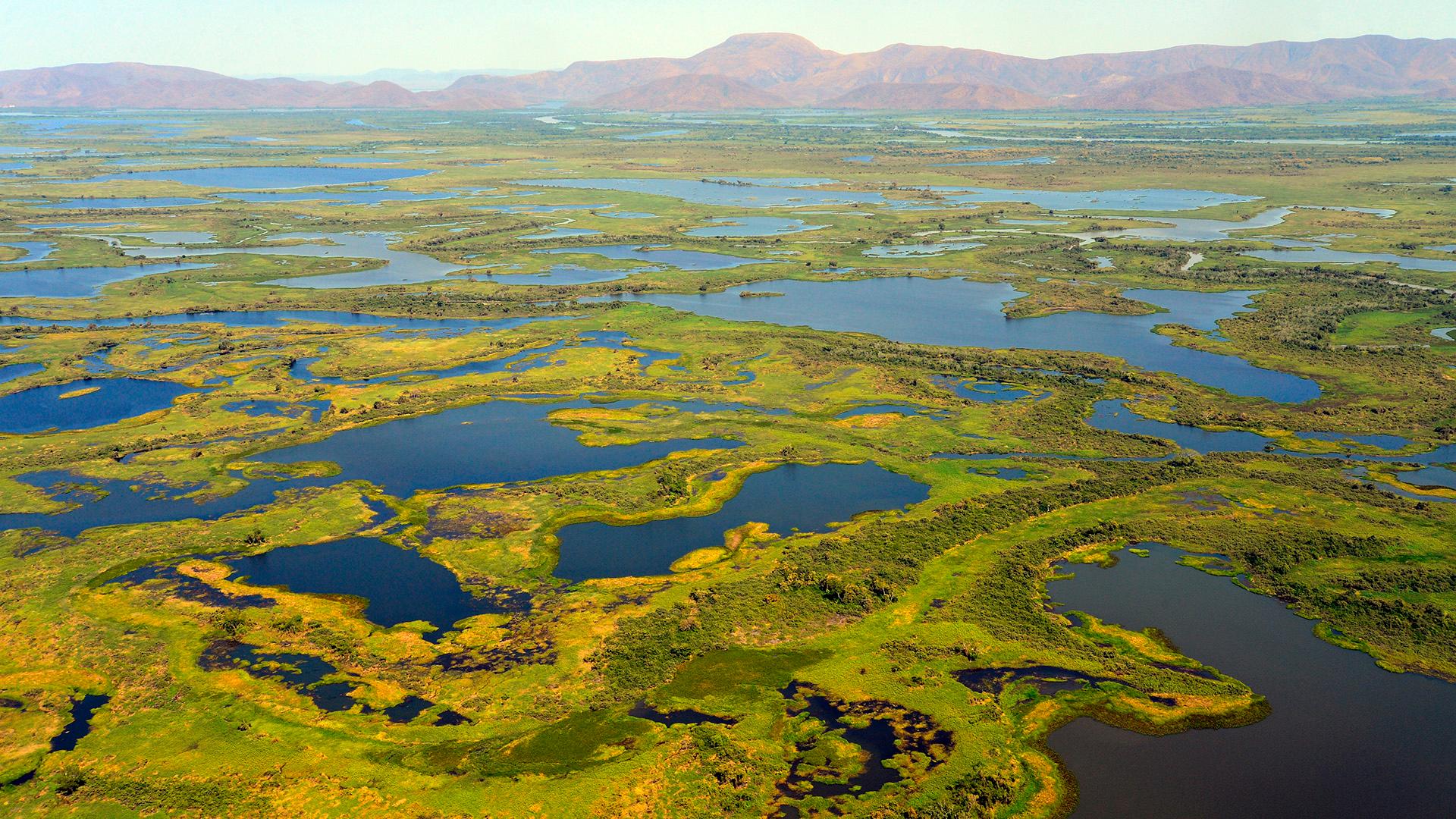
Tomsk, Russia (Enmaeya News) — Scientists are warning that up to 20% of the world’s remaining wetlands could vanish by 2050, highlighting the increasing threats these fragile ecosystems face from climate change and human activity.
Researchers at Tomsk State University say wetlands, though covering only 6% of Earth’s surface, are home to about 40% of all plant and animal species and help protect roughly 60% of people living along coasts from storms, hurricanes, and tsunamis.
“These ecosystems are critical for regulating the climate,” said Dr. Irina Volkova, associate professor at Tomsk University’s Biological Institute. “Wetlands can store carbon in peat deposits for thousands of years, helping to cool the planet.”
Swamps in particular store massive amounts of carbon — twice as much as forests — giving them exceptional ecological and strategic value. Wetlands also provide fresh water, support agriculture, and protect communities from flooding.
United Nations data shows wetlands contribute more than 7.5% of global GDP, yet they are disappearing three times faster than forests, making them among the most endangered ecosystems on Earth.
Since 1970, humanity has lost roughly 22% of wetlands — about 411 million hectares. If current trends continue, another 20% could disappear by 2050, potentially causing economic losses estimated at $39 trillion, according to a report by the Ramsar Convention released in July.
The report cites land-use changes, pollution, urban and agricultural expansion, coastal development, invasive species, and climate change impacts — including rising sea levels and drought — as the main causes of wetland loss.
Scientists warn that losing these ecosystems could release massive amounts of stored carbon as carbon dioxide and, to a lesser extent, methane, turning wetlands from carbon sinks into carbon sources.
The Ramsar report calls for annual investments of $275 billion to $550 billion to protect remaining wetlands and reduce threats.
Wetlands are also vital for biodiversity. Despite their small surface area, they are among the most species-rich ecosystems and play a crucial role in sustaining global ecological balance.