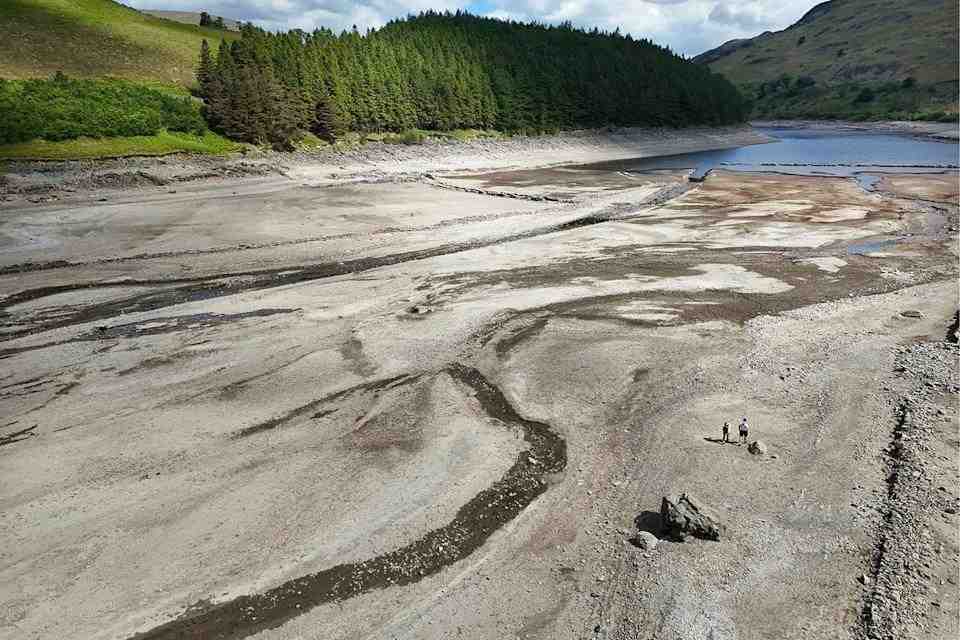



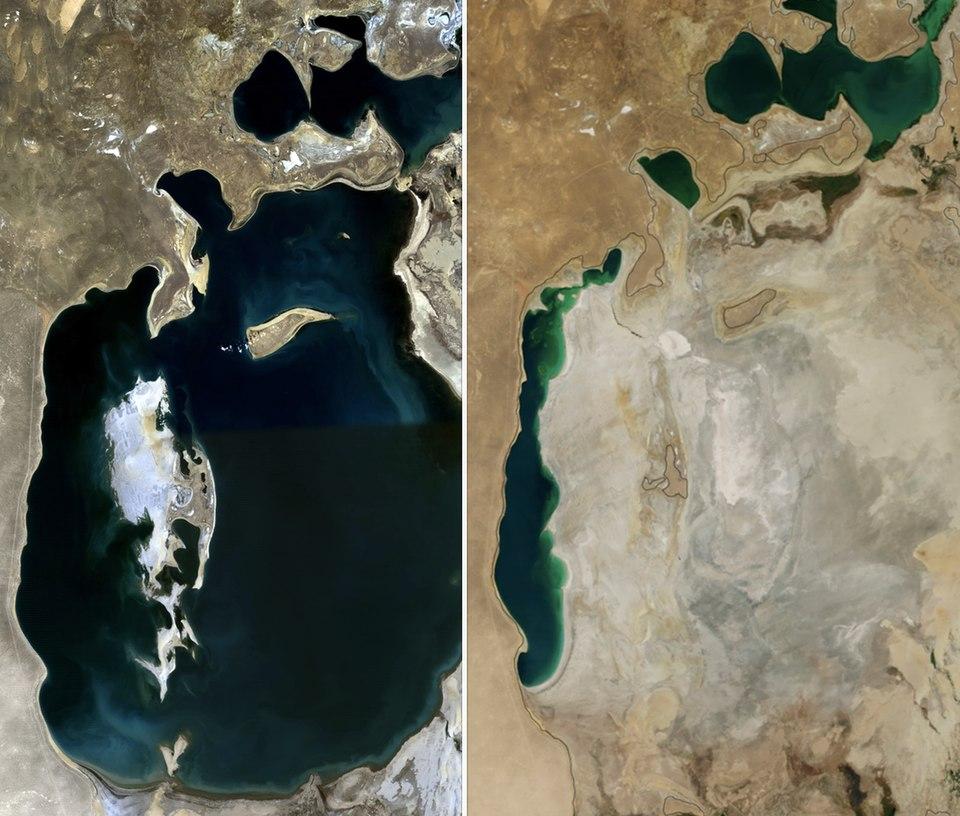
Tashkent, Uzbekistan (Enmaeya News) — The Aral Sea, once the world’s fourth-largest lake, has nearly vanished. Today, only about 10% of it remains, largely due to water diversion for cotton farming and the impacts of climate change.
In the 1960s, the Aral Sea covered 68,000 km². Most of it has now turned into desert, and strong winds carry salt and chemicals from the dry seabed. This damages the soil, pollutes the air, and makes farming more difficult.
Villages that once depended on fishing have lost their main source of income, and rusting ships now lie stranded on sand where the sea once stood. Local residents face rising health problems, including lung disease, cancers, and birth defects caused by toxic dust. Infant mortality rates are also higher than average in the region.
Kazakhstan has partially restored the northern part of the sea with a dam, bringing back some fish and jobs. Uzbekistan is planting drought-resistant vegetation and working to reduce dust storms. The country also launched the Aral Culture Summit to explore ways to develop the region and protect its heritage.
The Aral Sea crisis is not just an environmental issue, but a human one. With health, livelihoods, and the environment at risk, Uzbekistan needs strong action, regional cooperation, and global support to turn this tragedy into a story of recovery.