




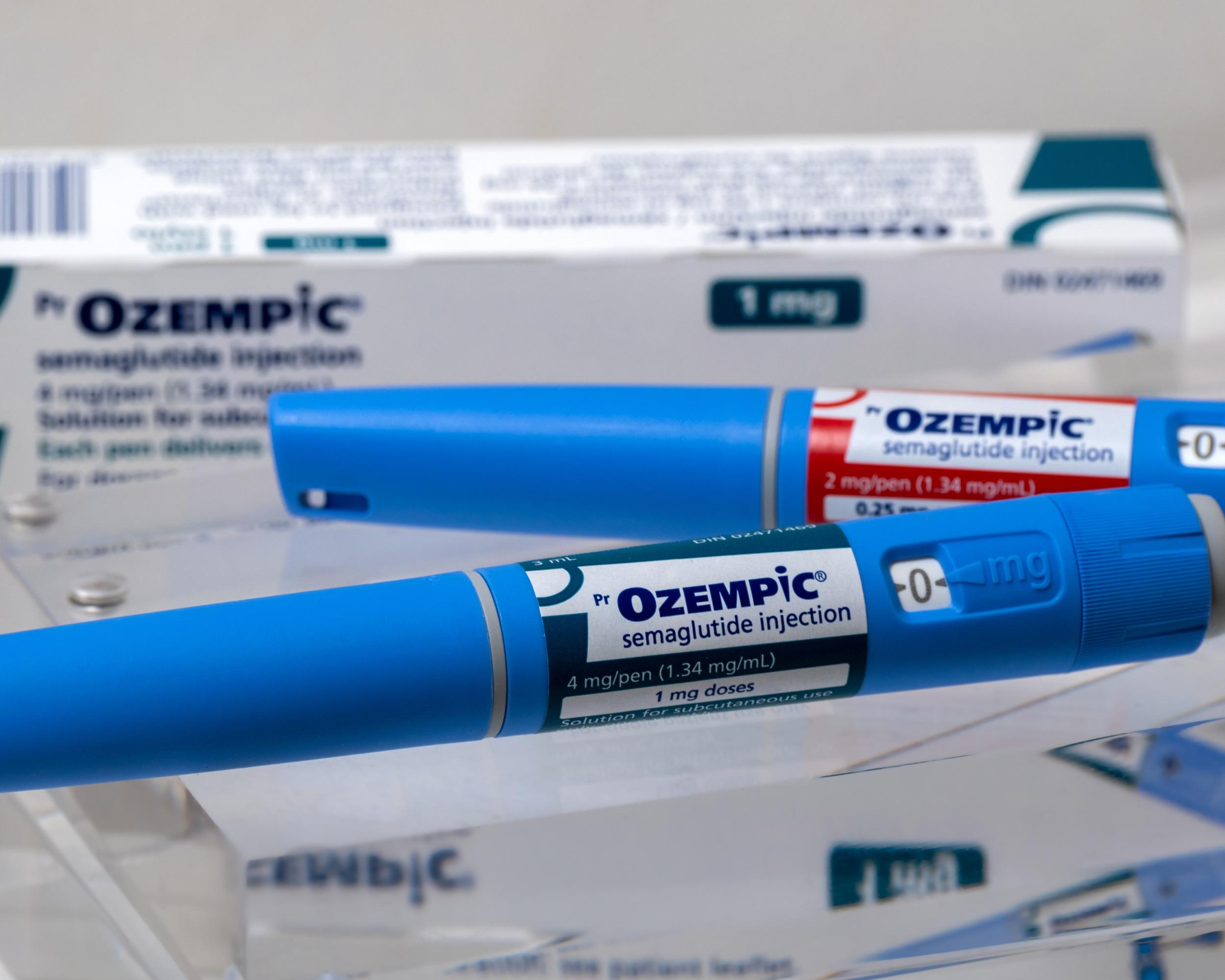
BEIRUT (Enmaeya News) — The rapid rise of weight-loss drugs like Ozempic has changed how millions approach dieting, but it has also brought an unexpected side effect: “Ozempic face.”
What is Ozempic?
Ozempic is the brand name for semaglutide, a medication developed by Novo Nordisk. It belongs to a class of drugs called GLP-1 receptor agonists, which help regulate blood sugar by increasing insulin release and slowing digestion. The drug is taken once a week by injection.
While approved for type 2 diabetes, studies show it can also lead to weight loss by reducing appetite and calorie intake. This effect has driven off-label use worldwide, turning Ozempic into one of the most talked-about drugs in recent years.
Doctors use the term to describe a gaunt look that can follow fast weight loss — with sagging skin, hollow cheeks and more visible wrinkles. The effect is caused by the loss of fat under the skin, which normally gives the face a fuller, youthful appearance.
Cosmetic clinics report rising demand for treatments to counter the look.
Experts say dermal fillers can restore volume in the cheeks and jawline, while skin-tightening procedures like microneedling and ultrasound therapy stimulate collagen and reduce sagging. In severe cases, some turn to facelifts or fat grafting for longer-lasting results.
Unregulated Use of Ozempic in Lebanon
Ozempic is not approved for weight loss in Lebanon, according to Rita Karam, Director of the Health Ministry’s Quality Assurance of Pharmaceutical Products Program.
The drug was originally approved only for type 2 diabetes—but its off-label use for slimming has become widespread, particularly after its arrival on the Lebanese market in 2019.
The accessibility of these medications without the requirement of a medical prescription has led to widespread use, often without proper medical supervision or regulation.
Consequently, an increase in reported side effects has been observed, highlighting the importance of stricter regulation and enhanced medical oversight to ensure the safe and appropriate use of these medications.