



California, United States (Enmaeya News) — A new study has uncovered another way space travel affects the human body. Researchers found that blood-forming stem cells, which are essential for blood health and the immune system, age faster during space missions.
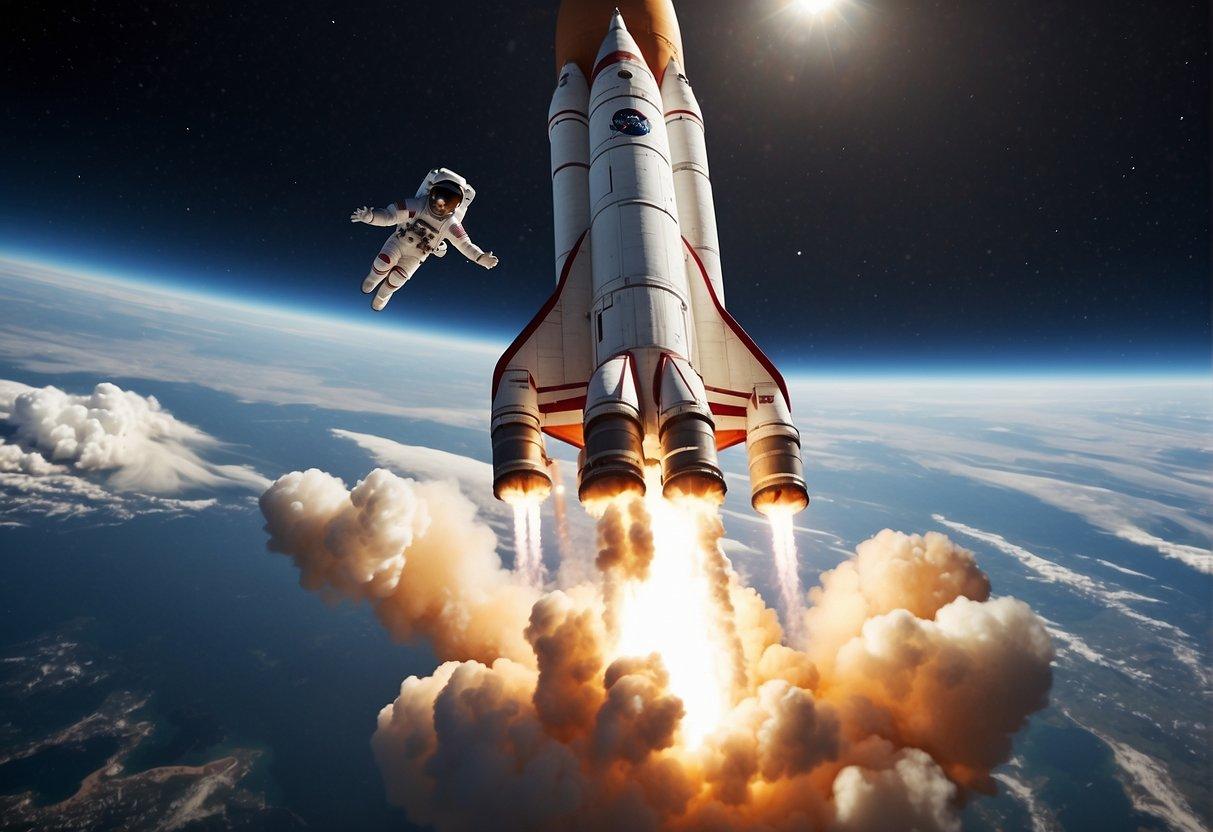
The study monitored samples sent on four SpaceX missions to the International Space Station (ISS) for resupply. The missions, lasting between 30 and 45 days, took place in December 2021, July 2022, November 2022, and March 2023. Scientists compared these space-traveled samples with others from the same donors that remained on Earth.
Results showed that cells sent to space lost some ability to produce healthy new cells, became more prone to DNA damage, and displayed signs of accelerated aging at the ends of chromosomes—the coiled structures carrying genetic information. Researchers attributed these changes to microgravity and increased radiation exposure during space travel.
Stem cells are versatile cells in the body that can develop into different types of cells. The study focused on hematopoietic stem cells and progenitor cells, which produce all blood cells in the bone marrow. This includes red blood cells that carry oxygen, white blood cells that fight infection, and platelets that aid blood clotting.
When these cells malfunction, the body’s ability to repair tissue weakens, the immune system’s cancer surveillance is reduced, infection-fighting capacity declines, and lifespan may shorten. Researchers noted that in space, stem cells become hyperactive, which drains their reserves and diminishes their ability to rest and regenerate—an essential property that allows them to renew over time.
The samples also revealed inflammation and stress in mitochondria, the cell’s energy-producing structures, and activation of normally silent parts of the genome, which can destabilize cells.
Published this month in Cell Stem Cell, the study also found that stem cell responses varied between donors.
Dr. Catriona Jamieson, professor at the University of California, San Diego School of Medicine and director of the Sanford Stem Cell Institute, said: “The regenerative capacity of stem cells diminished, but with some variation among bone marrow donors, suggesting that resilience factors against aging are active in some individuals’ stem cells but not in others.”
Unlike on Earth, where the atmosphere and magnetic field shield humans from cosmic radiation, astronauts are exposed to high-energy radiation in space. This can damage DNA, raise cancer risk, cause neurodegenerative effects, affect cardiovascular health, and impair the immune system.
Microgravity can also lead to bone density loss, muscle atrophy, and other health complications.
Jamieson emphasized that understanding how blood-forming stem cells change in space could help protect astronauts during long-duration missions. “We have identified key factors in human stem cell resilience that can be enhanced before, during, and after space travel,” she said. Researchers are currently studying these factors in a recent SpaceX resupply mission to the ISS.