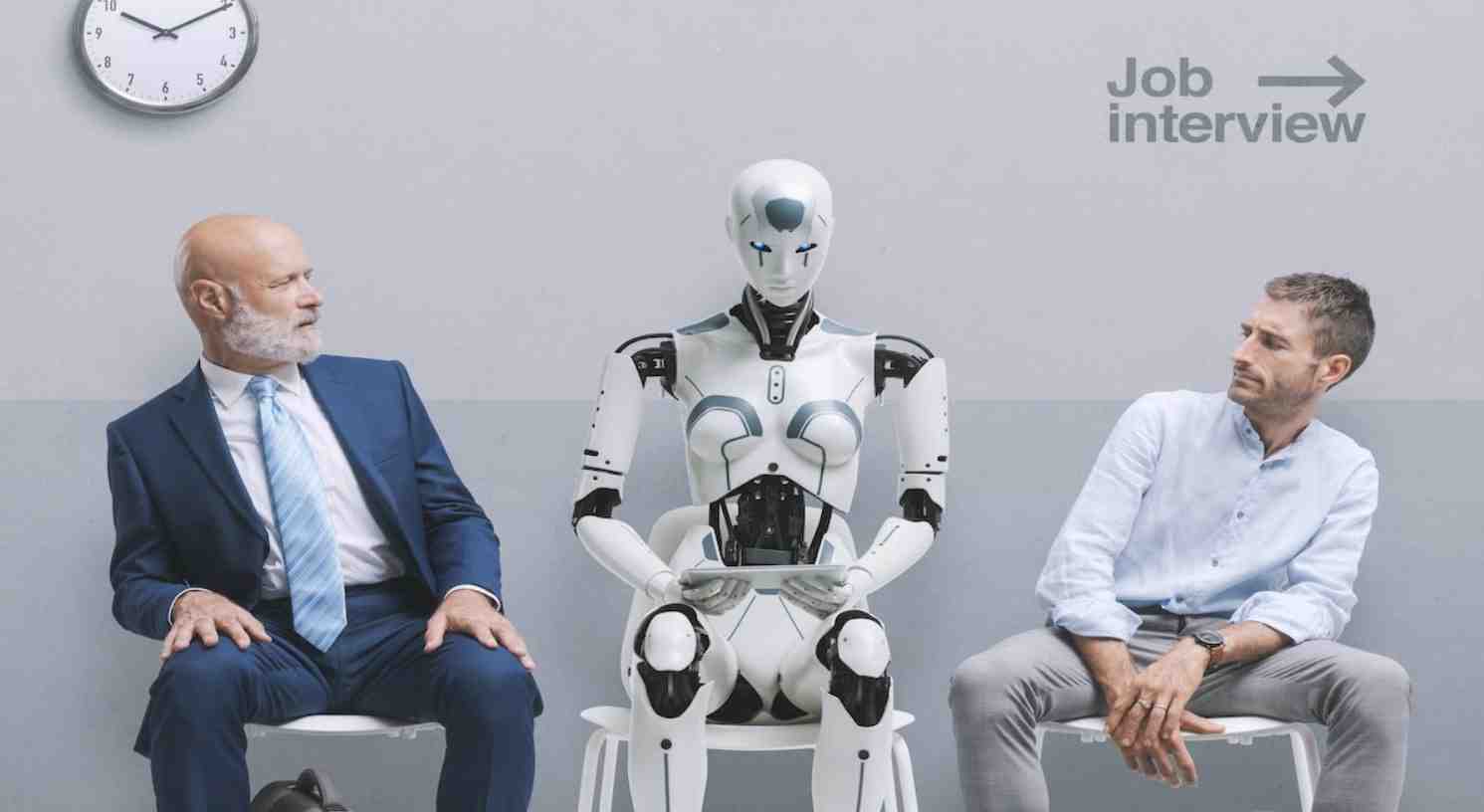




California, United States (Enmaeya News) — Reid Hoffman, co-founder of LinkedIn, predicts that by 2034, traditional office jobs will mostly disappear as AI technologies change the way people work.
“The 9-to-5 office model is on its way out,” Hoffman said. “Less than half of the U.S. workforce will stay tied to offices. Most people will work remotely, either as freelancers or in flexible roles where they can choose when and where they work.”
Hoffman is known for predicting future trends. In the late 1990s, he foresaw the rise of social networks long before Facebook. Later, he predicted the growth of the gig economy and invested in companies like Airbnb. He also spoke about AI before most people recognized its potential.
The move away from offices is not just about convenience, Hoffman said. Technology like video calls, cloud tools, and AI has made it easier for companies to operate without gathering everyone in one place. Many workers also prefer the freedom of working from home over daily commuting.
Automation is another major factor. AI can now handle routine tasks—data entry, scheduling, and customer service—faster and more efficiently than humans. While this might seem like a threat, Hoffman believes it will push people toward more creative and meaningful work, focusing on problem-solving and strategy instead of repetitive tasks.
A New Era of Hiring
Hoffman predicts big changes in how people get jobs. Companies will rely less on resumes or college degrees and more on real experience, completed projects, and professional online profiles. AI-powered hiring systems will analyze a person’s past work and online presence, not just their academic background.
In the new economy, most people will have multiple income sources, like part-time jobs, freelancing, side projects, or investments. Workers will move between roles and develop skills based on available opportunities. While exciting for some, this can feel unstable for others.
Remote and flexible work also requires continuous learning. Without a traditional office structure, employees need to manage their time, build professional relationships, and stay competitive. Blurred boundaries between work and home may make work-life balance more challenging.
AI and New Graduates
“Any job where a human acts like a robot will eventually be done by a robot,” Hoffman said, using repetitive customer service roles as an example.
He also predicts a decline in traditional engineering roles for new graduates. AI will assist knowledge-based work, so technical skills will remain valuable, but daily tasks will shift from coding to managing AI tools.
Hoffman wrote on LinkedIn: “Many companies haven’t figured out how to integrate new engineers into AI-driven workflows, but demand for technically minded people will be nearly limitless.” He pointed to accounting as an example: when spreadsheets arrived, accounting didn’t disappear—it shifted from routine calculations to scenario planning, risk modeling, and consulting.
For new graduates, fewer traditional jobs may feel worrying, but it also presents an opportunity. Learning to work with AI tools can give them an edge and allow them to help companies integrate AI into daily operations.
Economic and Personal Impacts
Experts, including Hoffman, expect several effects of AI-driven work:
Increased consumption: AI efficiency and lower costs may boost purchasing power and living standards.
Higher productivity: JP Morgan Chase predicts productivity growth unlike anything seen since the steam engine, electricity, or personal computers.
Focus on value and quality: As products improve and costs drop, consumers may care more about durability and brand reputation than price.
Hoffman’s key message: work is not disappearing—it’s evolving. Those who adapt early to AI-driven changes will have the advantage in the workforce of the future.