




Geneva, Switzerland (Enmaeya News) — The World Health Organization (WHO) is recommending certain weight-loss drugs as part of treatment for obesity, marking a major shift in how the condition is seen and managed.
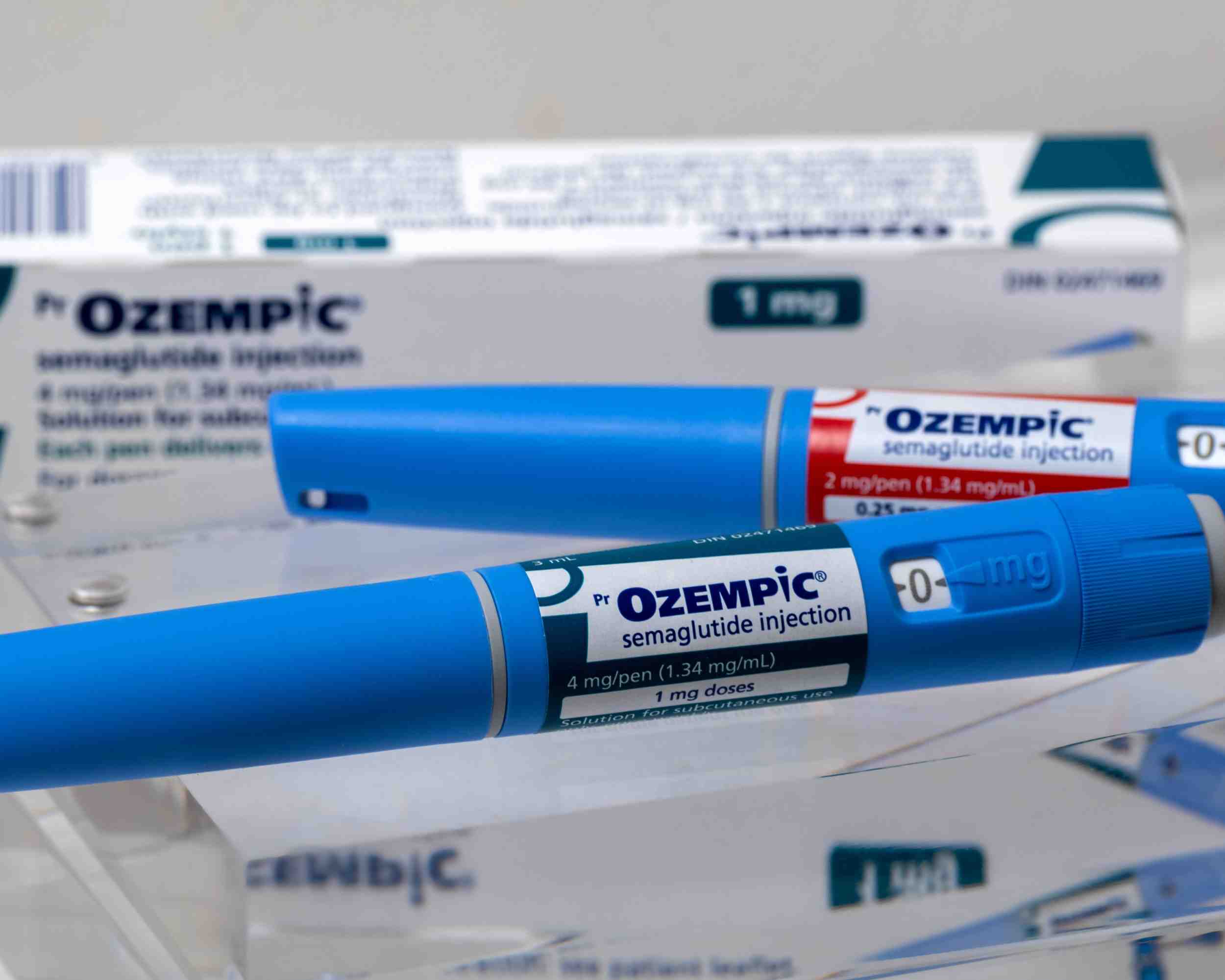
In draft guidelines open for public review until Sept. 27, 2025, WHO suggests using GLP-1 medications, including semaglutide—sold as Ozempic and Wegovy—for adults with a body mass index (BMI) of 30 or higher. The organization stressed that these drugs should be used together with lifestyle changes, like healthy eating, regular exercise, and behavioral counseling, not instead of them.
The guidance reflects a growing understanding that obesity is a long-term disease, not just the result of poor habits. WHO also called for more affordable generic versions to help people in low- and middle-income countries, where high costs often make treatment hard to access.
Key Points from WHO
Who can use it: Adults with BMI 30 or higher. In some countries, adults with BMI 27–30 and at least one health problem like diabetes or high blood pressure may also be eligible.
Combined approach: Drugs should be paired with counseling, lifestyle changes, and psychological support.
Long-term treatment: Obesity tends to come back if medication stops. Long-term planning and monitoring are important.
Access and cost: Branded drugs are expensive and hard to get in many countries. WHO wants cheaper options and wider availability.
The benefits of these weight-loss drugs include significant weight loss, improved blood sugar control, better heart health, and a lower risk of obesity-related health problems. However, there are potential risks to consider.
Common side effects include nausea and digestive issues, and the medications can be expensive. Long-term use is usually required, as stopping treatment often leads to weight regain. Additionally, these drugs are not safe for everyone, including pregnant individuals, making it important to consult a doctor before starting treatment.
WHO’s support helps shift the view of obesity from blame to medical care. Adding these drugs to the essential medicines list could make them more affordable and available worldwide.
Anyone thinking about using these medications should speak to a doctor first to check health, risks, and readiness to make lifestyle changes.