



New York, United States (Enmaeya News) — Secretary-General António Guterres plans to use the United Nations’ 80th anniversary celebrations to push for a broad restructuring of the organization. The plan, called the UN80 Initiative, aims to make the UN more agile, integrated, and able to respond to modern global challenges.
These challenges include conflicts like those in Gaza and Ukraine, growing geopolitical tensions, climate change, inequality, and technological risks.
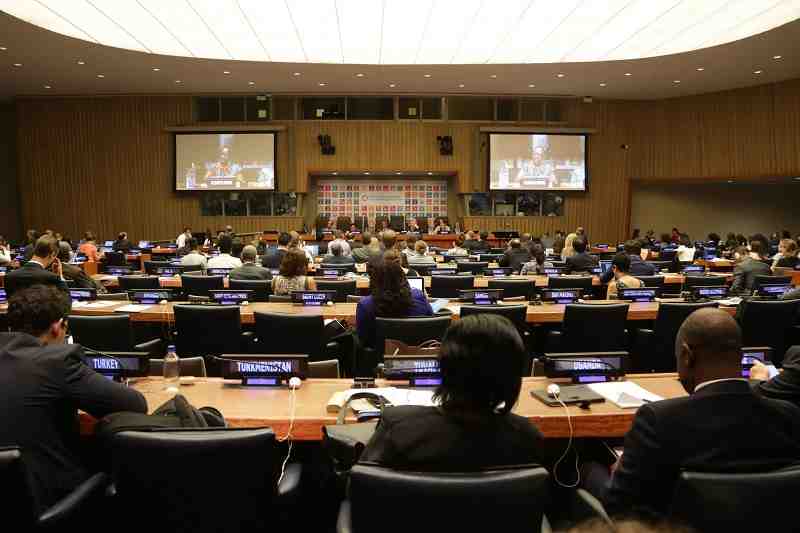
The initiative is expected to be a major topic during the annual UN General Assembly debate, where member states will vote on the 2026 regular budget. However, details of the plan are still being developed, and it has drawn scrutiny over proposed budget cuts, agency consolidations, and the potential impact on the UN’s ability to fulfill its mission.
Guterres has said UN80 seeks to make the UN more cost-effective, accountable, and responsive to the Sustainable Development Goals, global crises, and member states’ needs. Reports indicate the Secretariat, the UN’s administrative body, could reduce its $3.7 billion budget by 20 percent in 2026, potentially cutting around 6,900 jobs from the 35,000-strong workforce.
The reform plan includes consolidating agencies with overlapping roles. A UN80 Task Force memo obtained by Health Policy Watch lists more than 50 suggestions, such as merging the UN Framework Convention on Climate Change with the UN Environment Program, integrating the Joint UN Program on HIV/AIDS into the World Health Organization, and combining several bodies into a single human rights agency.
The plan also proposes streamlining humanitarian operations under agencies like the World Food Program, UNHCR, UNICEF, and WHO.
“The goal here is very much shrinking the United Nations,” said Richard Gowan, director of UN and Multilateral Diplomacy at the International Crisis Group. “Everyone understands that we’re going through a process which really is about, ultimately, doing less with less.”
The Task Force is also considering moving agency headquarters closer to the areas they serve, including locations outside New York and Geneva, to cut costs.
Drivers of Reform
UN80 comes amid growing challenges:
Declining trust: Global confidence in the UN has dropped as major powers increasingly use vetoes in the Security Council, leading to inaction on conflicts and atrocities.
Financial pressures: The UN faces shrinking resources, with unpaid contributions totaling roughly $2.4 billion. The United States alone owes $1.5 billion. Funding cuts from major donors, including the Trump administration, have further strained operations.
Administrative issues: Critics say the UN is slowed by bureaucracy, overlapping mandates, and duplication across its 193 member states.
Challenges Ahead
Experts warn that cuts could force agencies to scale back key programs, including human rights, gender equality, and development initiatives. “There will be fewer people being fed. There will be fewer people being vaccinated or sheltered by the United Nations if the cuts are not, at least in part, reversed,” Gowan said.
Long-term structural reforms are less certain, given that Guterres’ term ends in December 2026. Countries in the Global South have expressed concern that reforms may reduce access to technical assistance, funding, and expertise. At the same time, hosting agency offices could bring economic benefits to cities like Nairobi, Kenya.
Experts predict UNGA discussions will mix support for the UN with calls for reform. Member states are expected to vote on the 2026 budget, influenced by UN80 proposals, which could determine both funding priorities and the organization’s future direction.
Still, UN80 faces hurdles. “Guterres is going to face some real political opposition,” said Michael W. Doyle, former assistant secretary-general and advisor to Kofi Annan. With limited time before his term ends, the initiative’s window for major reforms is narrow.