LONDON (Enmaeya News) — September 20, 2025
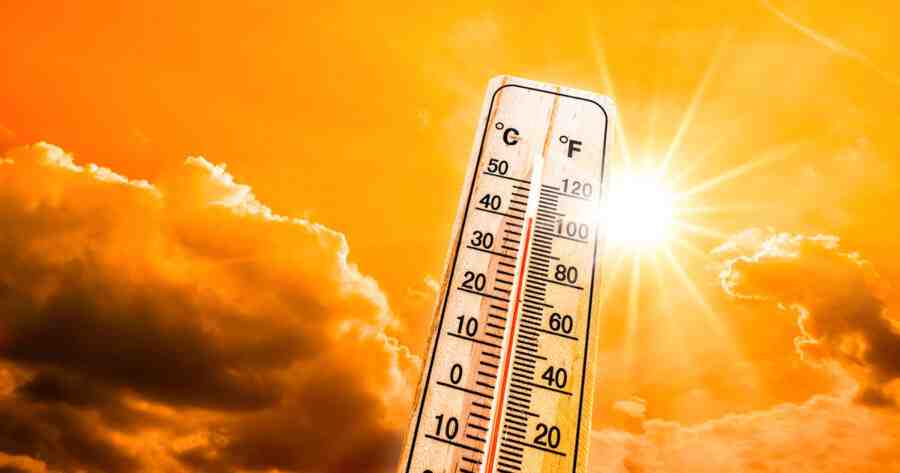
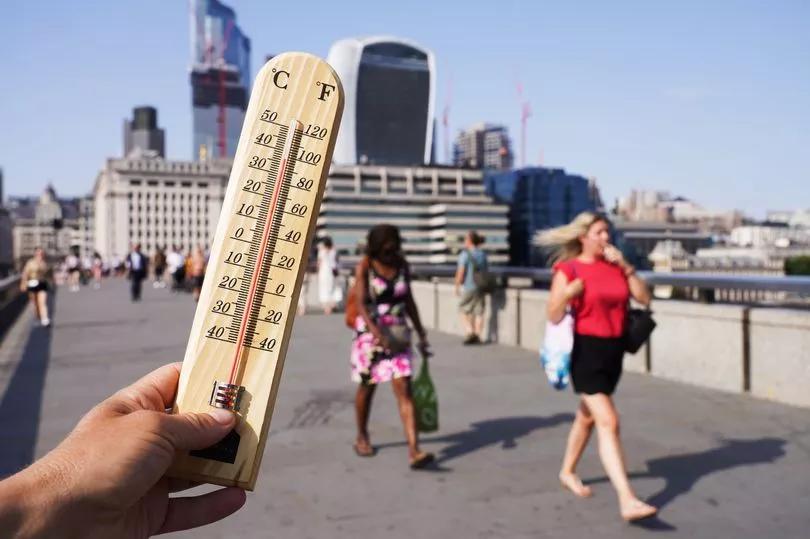
Researchers estimate that more than 15,000 deaths across major European cities this summer were linked to climate change, primarily due to record-high temperatures in much of the continent.
The preliminary study, conducted by scientists at Imperial College London and the London School of Hygiene & Tropical Medicine, focused on 854 European cities. It found that climate change accounted for 68% of the 24,400 heat-related deaths this summer.
Researchers reported more than 800 deaths in Rome, over 600 in Athens, and more than 400 in Paris, with more than 85% of fatalities occurring among people older than 65.
“This is the first large-scale estimate of the health consequences of a summer characterized by extreme heat in Europe,” the study said, noting that countries including Spain, Portugal, and the United Kingdom experienced their hottest summers on record.
Health impacts of extreme heat include worsened cardiovascular problems, dehydration, sleep disturbances, heatstroke, and muscle cramps, which can lead to organ failure and death.
To conduct the study, researchers modeled how much climate change contributed to the summer’s temperatures, concluding that average temperatures in the cities studied would have been 2.2 degrees Celsius lower without climate change.
They compared these findings with previous heat-related mortality data in various cities. Several experts described the results as plausible, though some noted actual numbers could be higher.
Earlier estimates suggested that the June 2025 heat wave caused three times as many deaths in 12 major European cities due to pollution contributing to global warming.
According to the EU’s Copernicus Climate Change Service, Europe is warming faster than any other continent, at roughly twice the global average. Temperatures across the continent are now about 2 degrees Celsius higher than preindustrial levels.
The World Meteorological Organization warned that extreme weather events in Europe will become more frequent and severe due to human-caused climate change, requiring long-term preparedness and adaptation.
Economically, the extreme heat this summer caused short-term losses of at least €43 billion ($50 billion), with costs projected to reach $148 billion by 2029.