


BEIRUT (Enmaeya News) — September 29, 2025
Persistent water shortages and damaged irrigation networks are pushing Lebanon’s farmers to the brink, raising alarms over nationwide food security. In October 2024, Israeli strikes targeted the main distribution route from the Litani River to the Qasmieh irrigation project.
The route normally delivers 260,000 cubic meters of water daily to 6,000 hectares of farmland along the southern coast, but the attacks caused major irrigation shortages.
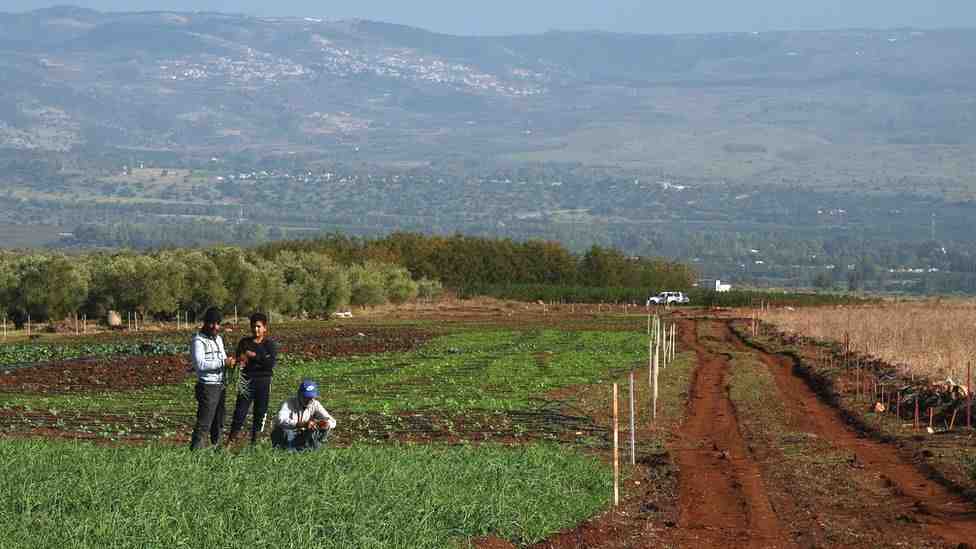
Farmers in southern Lebanon reported insufficient water for crops and livestock, while in the Bekaa Valley, about 70 percent of potato farmers skipped planting this season due to unreliable irrigation. Central and northern Bekaa fields also went largely unwatered, reducing production.
More than 100,000 tonnes of produce remain unsold in storage and falling global potato prices have further discouraged planting. Citrus and banana farms in the south are also at risk.
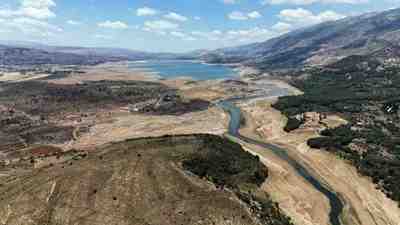
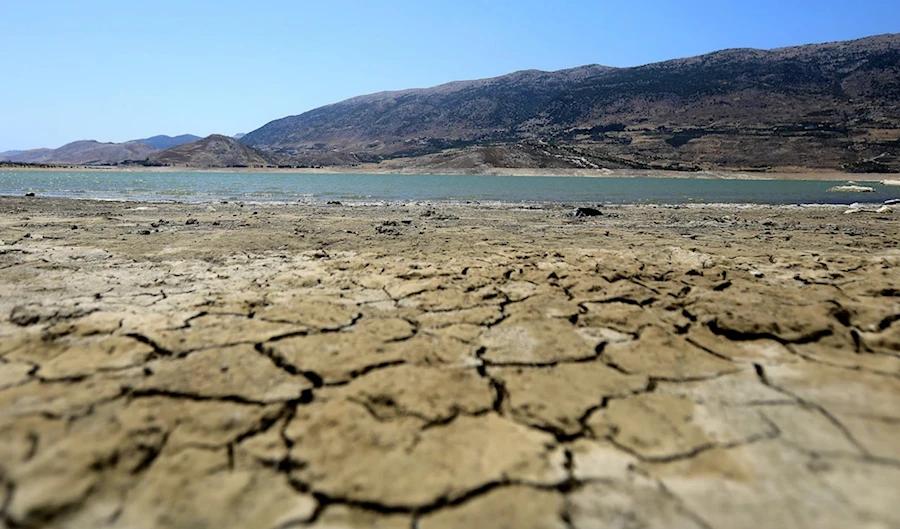
Experts say the water crisis is structural, not seasonal, rooted in mismanagement and aging infrastructure as much as climate change or conflict. Lebanon faces a new phase defined by drought, climate pressures, and poor water management, and urgent investment is needed in wastewater treatment to protect Lake Qaraoun.
Lebanon relies heavily on private water trucking, a practice that grew over the past decade as public services failed. The 2019 financial collapse worsened the situation, causing power outages that crippled water authorities. UNICEF reported in 2022 that per capita public water supplies had fallen below the minimum acceptable 35 liters per day.
To compensate, more than 60,000 unregulated private wells have been dug, and bottled water has become a primary source for many households. Rising prices make access to water increasingly expensive.
Between 2021 and 2022, bottled water prices tripled, while trucked water costs increased by 50 percent. By 2025, trucked water deliveries were 60 percent more expensive than in early 2020. In Beirut, a 2,000-liter tank costs $10–$22 and may last a week depending on household size.
The UNHCR estimates that at least $100 million is needed to address Lebanon’s water scarcity across water, sanitation, hygiene, and agriculture sectors. Without urgent action, shortages risk triggering a wider crisis affecting health, food security, education, and overall stability.