WORLD (Enmaeya News) - October 6, 2025
Today, October 6, the world marks World Habitat Day under the theme “Urban Crisis Response.”
The United Nations highlights that a record 122 million people globally are now forcibly displaced, with over 60% seeking refuge in already strained cities. This acceleration of "urban displacement" is straining infrastructure and driving up inequality worldwide.
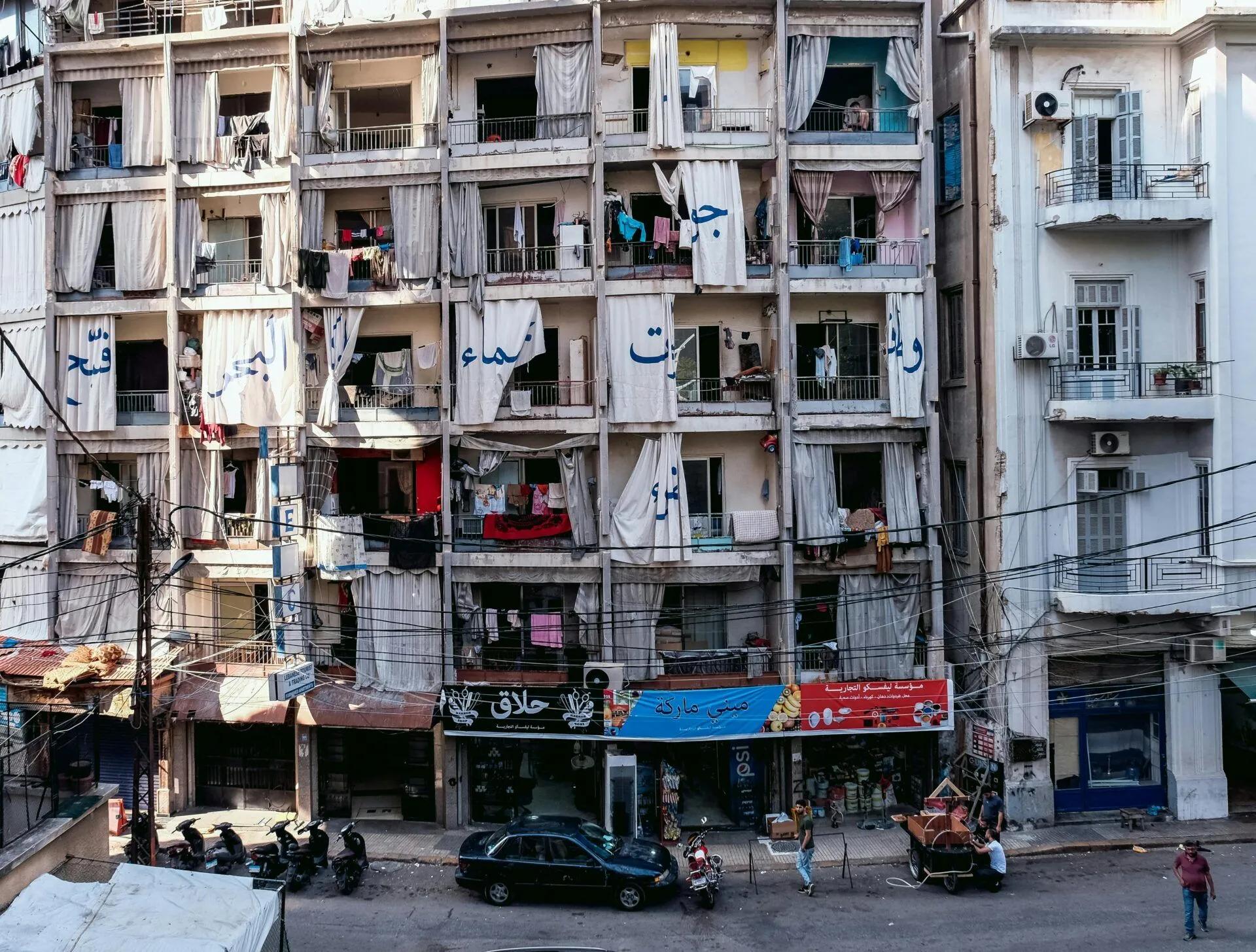
The global call for an effective crisis response finds its most acute expression in Lebanon, where an economic meltdown, the aftermath of the Beirut Port blast, war, and persistent conflict have created a multi-layered urban catastrophe.
Lebanon's rural and urban areas are struggling with both physical destruction and crippling housing unaffordability.
Data from UN and local bodies starkly illustrate the depth of the crisis. As of early 2025, over 112,076 people remained internally displaced, with 57% of these IDPs relying on rental housing, increasing overcrowding and rental costs in host communities.
Furthermore, the country faces a massive reconstruction effort, with assessments showing that over 19,537 buildings, roughly 42,384 housing units, were damaged or destroyed in key governorates.
Yet, despite this clear need, Beirut exhibits an alarming financialization of its housing stock, or the tendency to treat housing as a financial asset rather than a basic need.
The Beirut Urban Lab (BUL) found that the vacancy rate in new buildings (2019-2022) reached a staggering 43%, with these units held vacant due to speculation rather than lack of demand.
Amid state inaction, civil society groups are driving change. The Public Works Studio in Beirut was recently honored with the 2025 UN-Habitat Scroll of Honour Award for its “Housing Monitor.”
The “Housing Monitor "is a critical platform providing legal and social protection for vulnerable residents facing eviction threats, thus advancing equal access and defending Housing, Land, and Property (HLP) rights.
The urgent question for Lebanon this World Habitat Day is whether the state and international partners can transition from emergency aid to a sustainable, data-driven "Urban Crisis Response" that secures the basic right to shelter for all.