

BEIRUT (Enmaeya News) - October 12, 2025
The Food and Agriculture Organization of the United Nations (FAO) has released its long-awaited report “The Status of Mediterranean Forests 2025,” offering a comprehensive look at the alarming changes affecting the region’s forest ecosystems.
According to the report, the Mediterranean is warming 20% faster than the global average, intensifying wildfires, droughts, and land degradation.
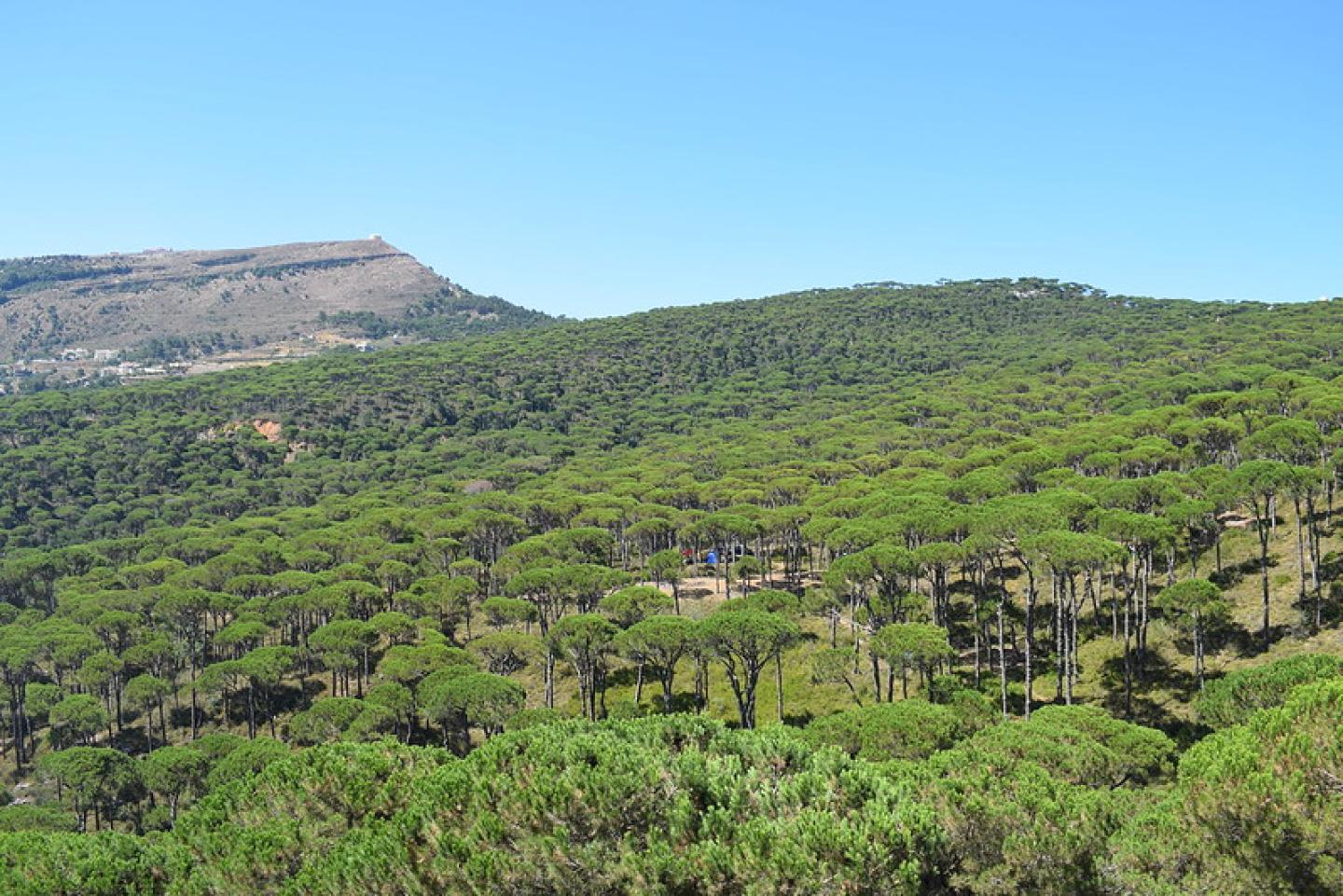
Forests now cover 28% of the region’s land area, but one-third of it remains highly vulnerable to desertification. In Lebanon, recent years have seen both severe wildfires and renewed momentum for restoration.
The FAO spotlights a UNDP–Ministry of Environment project in Akkar El Attika as a regional model for post-fire recovery, where 410,000 seedlings were planted and over 1,900 hectares naturally regenerated through community-led efforts.
Lebanon also stands out for adopting innovative forest monitoring tools, including satellite mapping and artificial intelligence to track forest health, fires, and urban encroachment.
These systems, developed by the Ministry of Environment, the University of Balamand, and UNDP, are helping the country advance toward its land degradation neutrality and biodiversity targets.
Recognized under the UN Decade on Ecosystem Restoration, Lebanon is part of the “Restoring Mediterranean Forests” flagship initiative, joining regional efforts to scale up restoration and resilience.
The FAO report concludes with an urgent call for stronger regional cooperation, sustainable financing, and community-based governance to protect one of the world’s most climate-sensitive forest regions.
Sure! Here’s a short conclusion for you:
The FAO report highlights the urgent need for regional cooperation and sustainable efforts to protect Mediterranean forests. Lebanon’s restoration projects.