LEBANON (Enmaeya Features) - October 20, 2025
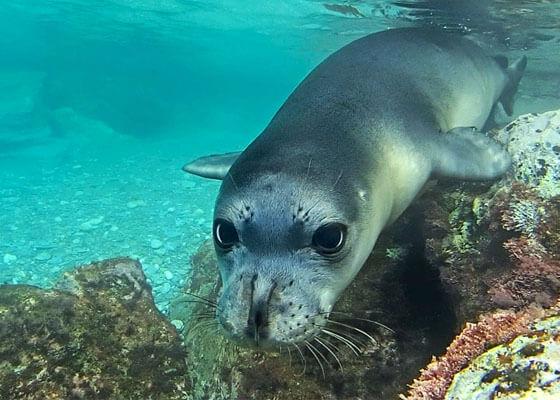
The quiet coastline of Amchit, in Lebanon’s Jbeil district, is part of the habitat of the Mediterranean monk seal, a species currently classified as Vulnerable (VU) on the IUCN Red List following a 2023 reassessment. Once listed as Endangered, the species has shown some recovery but remains one of the world’s rarest pinnipeds, with a global population estimated at only 815 to 997 individuals. Among the well-known seals in the region is Arzeh, famous for giving birth this summer in Cyprus, highlighting the ongoing significance of these coastal habitats.
Construction Threats
The Amchit coastline, with its ecological and biological importance, has been the center of a long-standing conflict over a private villa construction directly above the seal’s natural cave. The controversy began in November 2021, when residents successfully protested initial excavation work, forcing a temporary halt. Construction controversially resumed in June 2022, raising renewed concerns from Terre-Liban (Earth-Lebanon) about potential irreversible damage to the cave system. Another suspension was secured in March 2024 after an appeal to the State Council, but in May 2025, the appeal was rejected on procedural grounds, allowing work to resume.
Activism and Municipal Response
Following the renewed excavation, environmental activists and Terre-Liban increased pressure on the local government, presenting the newly elected municipal council with a list of alleged permit violations. Joseph Khoury, Amchit council president, acknowledged the ecological risks but emphasized the municipality’s limited authority, noting that all initial construction permits had been legally issued under previous administrations. Concerns were also raised over the Ministry of Environment’s earlier approval, which requested only a limited Environmental Management Plan instead of a comprehensive Environmental Impact Assessment (EIA).
Government Intervention
In a significant development, Minister of Environment Dr. Tamara Zein intervened following renewed complaints and public concern. On October 18, 2025, the Ministry dispatched a scientific team to inspect the site. On October 20, 2025, the Ministry announced that the final technical report is pending and that it would contact the Public Prosecutor to immediately halt construction and mandate a full EIA. This decisive action, influenced by the situation of Arzeh and broader ecological concerns, underscores the delicate balance between coastal development and the need to protect Lebanon’s most vulnerable ecological treasures.
As construction pressures continue to mount along Lebanon’s precious coastline, the fate of Amchit’s caves remains uncertain. The saga of Arzeh and her species serves as a reminder of the fragile balance between development and conservation.
With the Ministry of Environment stepping in, the question now is: will Lebanon find a way to protect its natural treasures before it is too late?