



LEBANON (Enmaeya Features) - October 20, 2025
Following reports about potential fees or taxes on solar panels in the 2026 budget, debate has intensified in Lebanon. This vital sector has become a lifeline for citizens amid chronic electricity outages. And with the rising cost of private generators, many have turned to solar energy to ease living expenses and secure partial energy independence.
Sources at the Ministry of Energy confirmed to Enmaeya that any official tax on solar panels would require a decision by Parliament and the Council of Ministers, and no such proposal has been made.
What Actually Happens: Symbolic Fees for New Installations
The solar energy expert explained to Enmaeya that the issue does not involve taxing existing panels. Instead, symbolic fees of up to $50 are applied only to citizens planning to install new panels.
Before the current minister, the “Center for Energy Conservation Development” at the Ministry of Energy issued permits, particularly for shops with shared rooftop disputes.
After administrative changes, the file was transferred to the Civil Organization, then to the Engineers’ Association, and finally to the municipalities.
Today, citizens must submit an official request to their municipality. The permit is granted after paying the symbolic fee. The goal is sector regulation and public safety, not financial burden.
Technical Procedures and Requirements
Anyone installing new panels must submit a technical file to the Center for Energy Conservation Development. This file includes measurements and technical structure for installation and is reviewed by the relevant research center. It must also include the signature of the civil engineer responsible for the electricity map to ensure safety.
The expert noted that the Ministry of Energy and the Lebanese government set a strategic vision from 2020 to 2030, targeting 15% of national energy from renewables, including solar and wind.
During 2021–2023, following subsidy removals on diesel and gasoline, many citizens turned to solar energy, installing large quantities of panels.
Market Situation and Citizen Demand
In residential and commercial urban sectors, the expert said the market has reached saturation. However, demand remains high for large-scale stations supplying the state, factories, and tourist facilities.
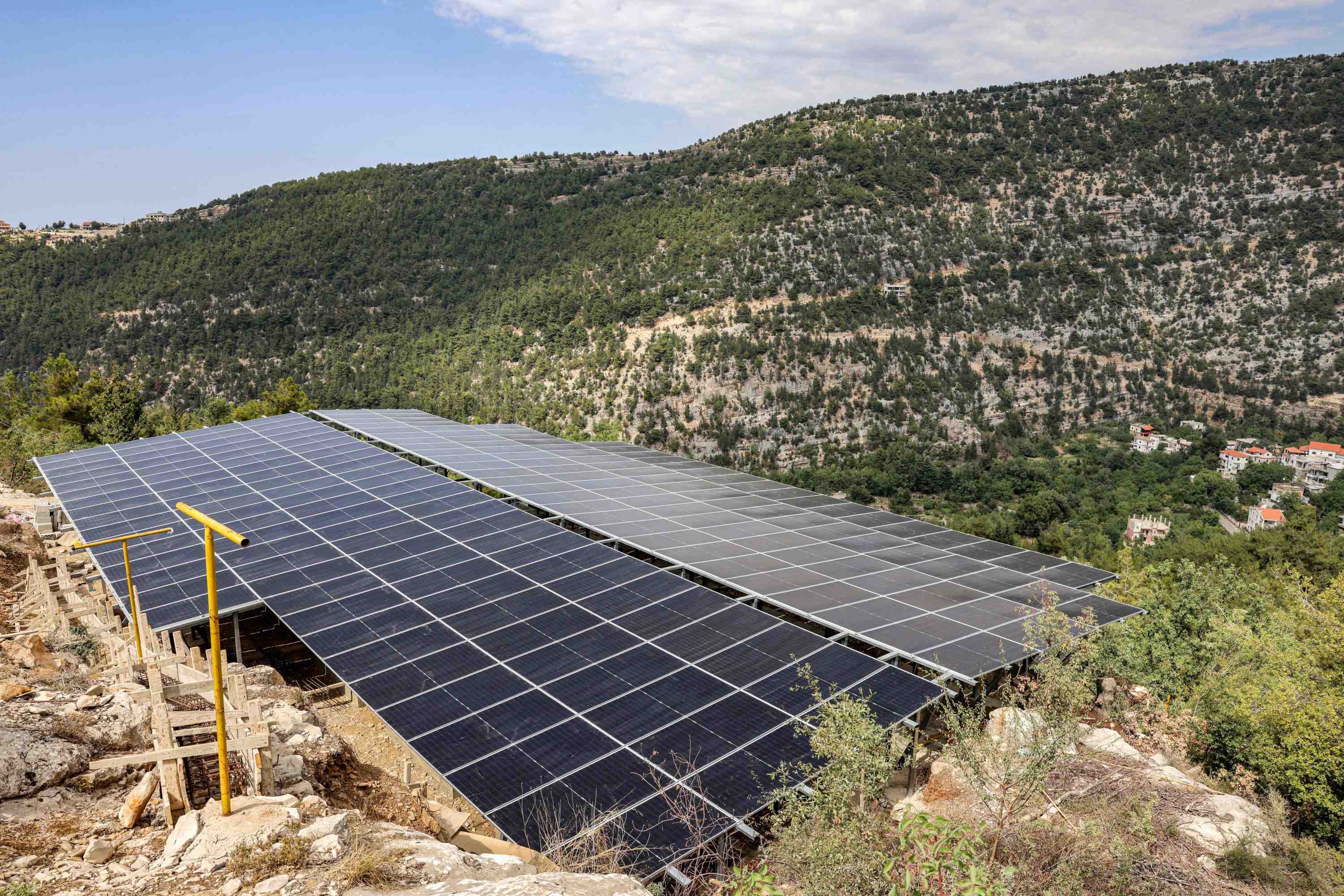
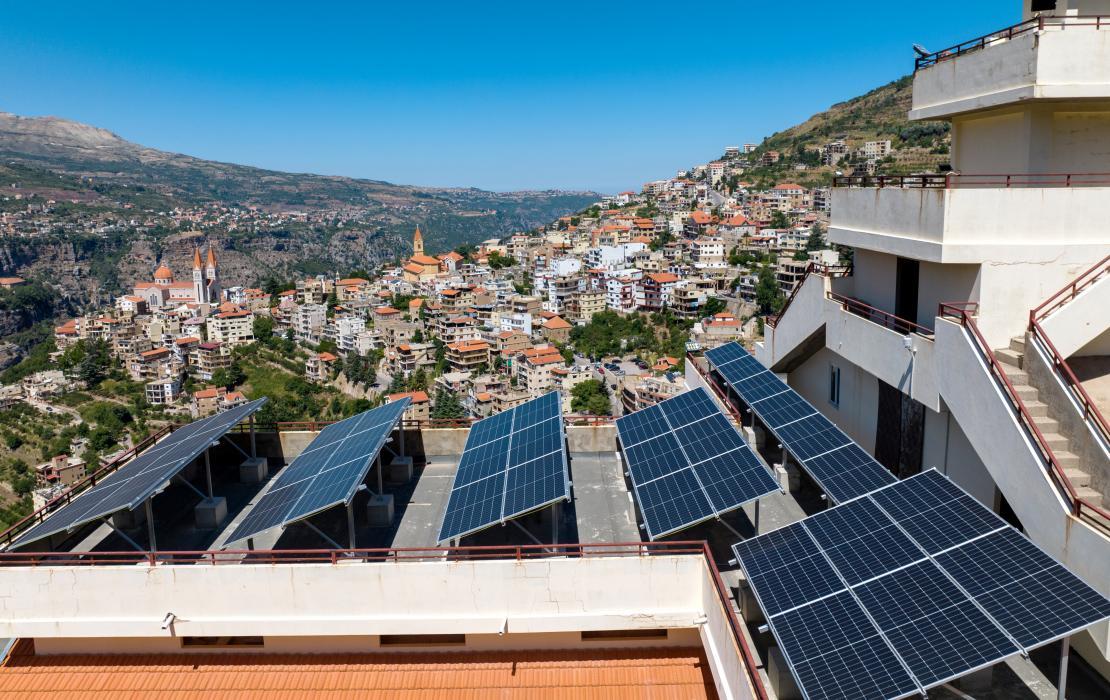
Villages and rural areas rely more heavily on solar energy than crowded cities due to easier access to rooftops and open spaces. The expert emphasized that the current symbolic fees are not taxes. They regulate installations and ensure public safety.
At the end, solar energy remains the lifeline for Lebanese citizens. Current fees are symbolic to ensure safe installations, not taxes, and any official levy would require legislation that has not yet been proposed.