WORLD (Enmaeya Features) - October 22, 2025
As fears of a U.S. government shutdown and renewed trade tensions between China and the United States overlap, global markets are once again on uncertain grounds. Investors are rethinking what “safe” means, splitting their attention between traditional assets like gold and the U.S. dollar and newer digital assets such as Bitcoin.
Gold Shines Amid Political and Economic Strains
Gold surged past $4,300 an ounce on October 16, reaching its highest level in years, as investors sought safety amid escalating global tensions, market volatility, and fears of a slowdown in major economies.
Concerns over rising geopolitical risks, including conflicts in the Middle East and uncertainty surrounding global trade policies, pushed traders toward gold, a traditional safe-haven asset during times of instability.
According to the European Central Bank, in times of global financial crisis, geopolitical tension, or economic slowdown, gold has consistently outperformed other assets.
During the 2018-2019 government shutdown, for example, gold prices rose by around 4% as investor confidence in Washington fell.
In early 2025, when the U.S. raised tariffs on Chinese goods, gold crossed the $3,200 mark, supported by a weakening dollar. These past events offer context for gold’s current surge, even as each crisis brings its own set of risks.
Central banks have also been stockpiling gold, according to Global X, signaling a slow but steady shift away from reliance on the U.S. dollar.
J.P. Morgan expects global core inflation to reach 3.4% by late 2025, partly driven by higher U.S. tariffs. With inflation rising and fiscal uncertainty deepening, gold’s status as the world’s most trusted safe-haven asset remains intact.
Dollar’s Double-Edged Role
The U.S. dollar is facing increasing pressure on multiple fronts. In the short term, trade tensions and market uncertainty have caused moderate depreciation.
“The dollar has taken a hit too, but less so. Its depreciation has actually softened the blow for crypto,” said Tim Waterer, Chief Market Analyst at KCM Trade Global.
Meanwhile, the dollar’s long-term outlook is clouded by fiscal instability and rising national debt, according to data from ExchangeRates.org.
The IMF projects that the U.S. debt-to-GDP ratio could rise from 125% in 2025 to 143% by 2030, raising doubts about the dollar’s ability to remain the world’s dominant reserve currency.
Further complicating the picture, a prolonged government shutdown could cost the U.S. economy up to $15 billion per week, according to Reuters, disrupting services and eroding market confidence.
Bitcoin’s Balancing Act
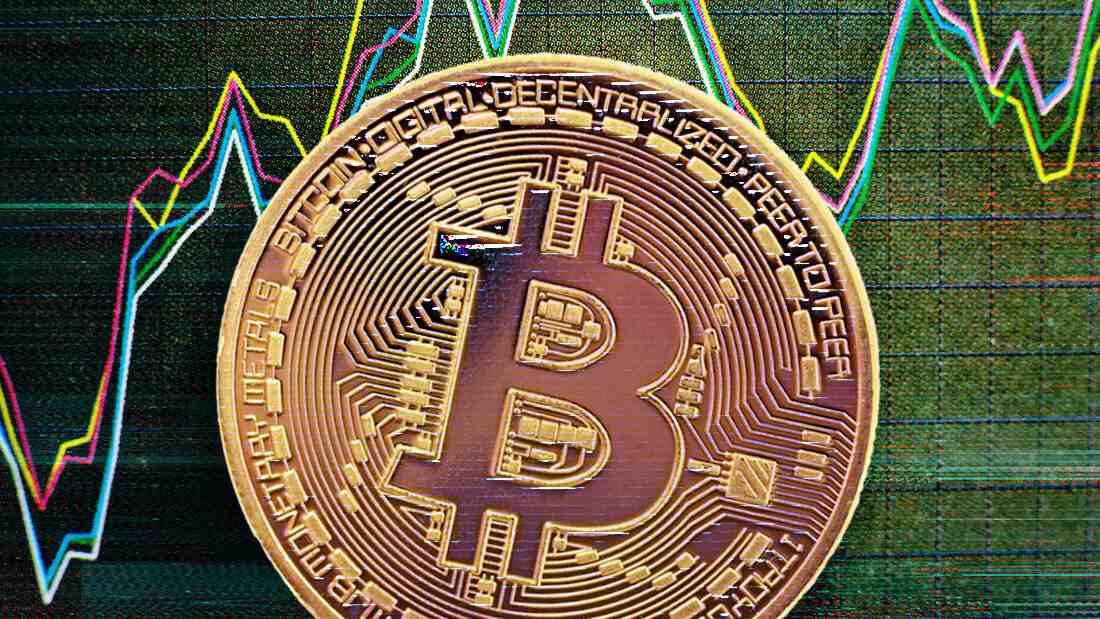
Bitcoin’s price reflects current market uncertainty. Once considered “digital gold,” it now often rises and falls in line with overall investor sentiment.
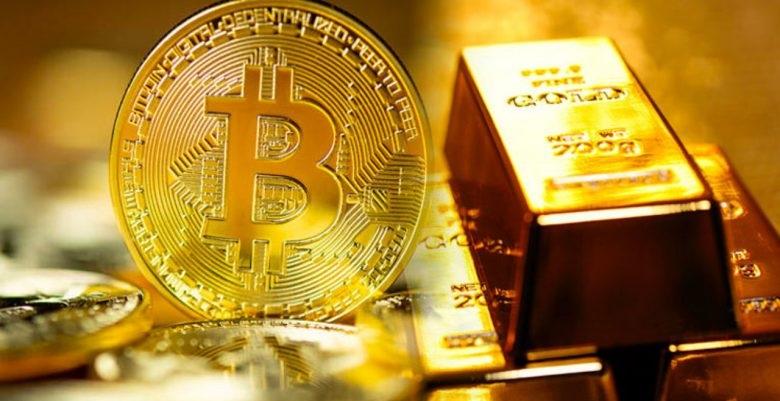
“While gold and crypto share scarcity and global appeal, gold still leads as a haven in crises,” Waterer said. “Crypto remains more speculative, though both can rise together during inflation-driven rallies.”
Still, progress continues. On October 15, 2025, the Office of the Comptroller of the Currency (OCC) granted conditional approval to Erebor Bank, a new institution focused on crypto and tech services, according to Tech Stock.
Regulation Adds Credibility
The rise of clear and regulated frameworks like Europe’s MiCA law and the U.S. GENIUS Act has further boosted confidence.
Europe’s MiCA law sets clear rules for crypto, making sure companies are transparent and investors are protected, according to Coin Desk.
In the U.S., the GENIUS Act regulates stablecoins, requiring them to be fully backed, safe, and properly managed, according to the World Economic Forum.
“These frameworks have turned crypto from a fringe idea into a regulated asset class,” said Joseph Zammit, a fintech and blockchain executive. “It now reacts to interest rates, dollar strength, and global liquidity like any other market.”
The Search for a Crisis-Proof Asset
Whether investors hold gold, digital coins, or dollars, their goal is the same, protection from volatility. But the definition of safety is changing fast, shaped by politics, technology, and new financial systems.
“The story isn’t gold versus crypto anymore,” Zammit told Enmaeya. “It’s how all three, gold, Bitcoin, and the dollar, interact as the world’s financial foundations shift.”
As markets navigate shutdowns, trade wars, and evolving regulations, one thing is clear: diversification remains the only true hedge against uncertainty.