



LEBANON (Enmaeya Features) - October 27, 2025
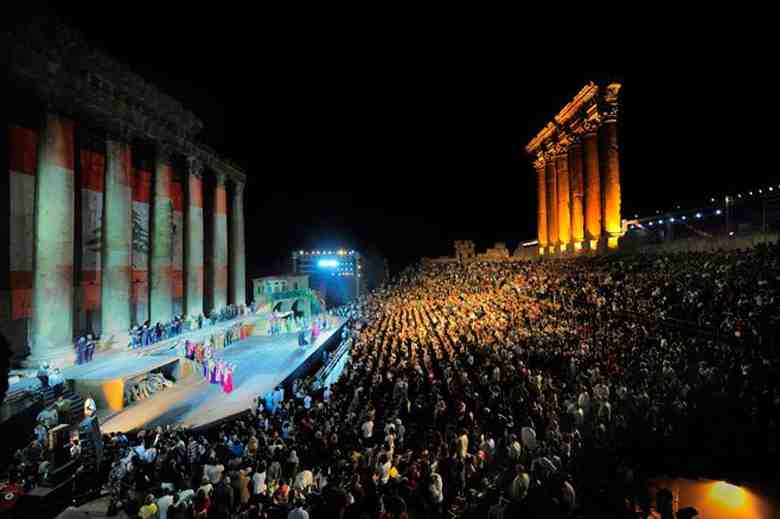
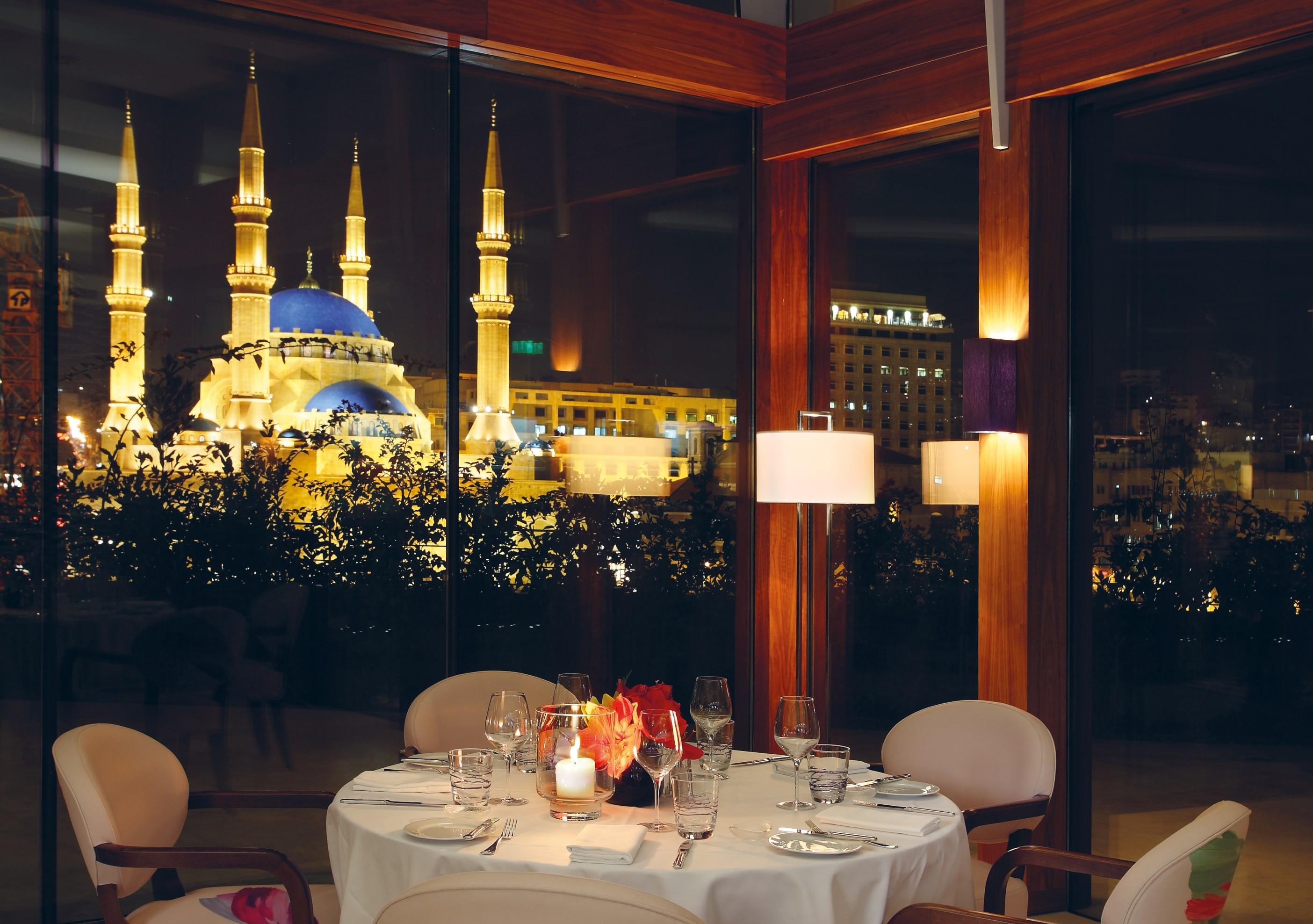
From the centuries-old ruins of Baalbek to the lively cafes of Mar Mikhael, Lebanon has long stood as an epitome of ancient heritage meeting modern life. Once renowned as a central hub for travelers seeking culture, history, and cuisine, the country is now experiencing a notable resurgence, one that is significantly revitalizing the restaurant industry, with rising patronage and renewed international interest.
The Restaurant Scene Renaissance
During the summer of 2025, Lebanon experienced a noticeable yet still limited rebound in its tourism sector, offering a glimpse of recovery after several challenging years.
In July 2025 alone, Beirut-Rafic Hariri International Airport recorded a total of 873,095 passengers, a 16.25% increase compared to July 2024, reflecting growing interest in Lebanon as a summer destination.
Khaled Nazha, Vice President of the Syndicate of Restaurants, Cafes, Nightclubs, and Pastries, told Enmaeya that most of the visitors in 2025 came from the Lebanese diaspora returning for the summer holidays.
Only a modest number of tourists arrived from the Gulf, the Americas, and Europe, a trend that highlights the continued challenges of attracting new international travelers.
However, the partial return of tourists, coupled with factors like renewed local and international patronage, has prompted a revival of restaurants in Lebanon.
According to LBCI, before 2019, approximately 150,000 people were employed in the sector. With the worsening crisis, that number dropped to 60,000.
By early 2025, recovery began, and employment rose back to around 100,000. The sector currently contributes roughly 20 to 25% of the country’s GDP.
Lebanese-owned small- to medium-sized establishments are introducing fresh concepts across the country, from contemporary twists on classic dishes to unique dining experiences, attracting both locals and tourists. This revival is part of a broader comeback of Lebanese-owned restaurants, many of which are now expanding internationally or pursuing global endeavors.
On the global stage, Em Sherif Café, renowned for its innovative take on traditional Lebanese cuisine, opened its second branch in Khobar, Saudi Arabia, in July 2025.
"The syndicate has worked to raise standards so that businesses can expand globally and earn international recognition and trust. We have focused on food safety, laws and regulations, and the implementation of official decrees,” Nazha told Enmaeya.
At the same time, Lebanon’s evolving culinary landscape is drawing international investments, with several global restaurants and cafés opening in the country in 2025, including the Italian marketplace and restaurant chain Eataly and Zara’s first café in Beirut.
Fueling Growth: The Power of Initiatives
Initiatives to revive the tourism sector in general, and the restaurant industry in particular, include culinary festivals and events that highlight Lebanon’s culinary and hospitality capabilities. For example, HORECA Lebanon 2025, held from April 8 to 11 at the Seaside Arena in Beirut, marked the 29th edition of the country’s largest hospitality and foodservice trade event. The exhibition attracted over 24,000 visitors and 350 exhibitors, showcasing the latest trends, technologies, and innovations shaping Lebanon’s hospitality industry.
Throughout 2025, various regional festivals celebrated Lebanon’s rich culinary traditions. For example, the Beirut Cooking Festival 2025 showcased the country’s top chefs, leading food and beverage brands, and artisanal products. The event provided a platform for culinary innovation while honoring Lebanon’s diverse and vibrant food culture.
The culinary landscape is also being shaped by the next generation of chefs and restaurateurs. The Uni Chefs' Challenge 2025, organized by the Lebanese American University (LAU), highlighted the creativity and technical skills of young chefs, showcasing their potential to redefine Lebanon's culinary future.
"We have also collaborated with municipalities and over 4 universities with hospitality and hotel management programs, such as LAU, to ensure a steady supply of trained professionals. Currently, around 50,000 students are working with us, contributing to the growth and quality of the industry," Nazha added
These developments underscore Lebanon's dynamic culinary evolution, where tradition meets innovation, and young talent leads the way in redefining dining experiences.
The Road Forward
Lebanon’s culinary and tourism sectors show promising signs of growth, building on the resurgence seen in 2025. With young chefs introducing innovative concepts and Lebanese-owned restaurants expanding both locally and abroad, the industry is gradually strengthening. All eyes, however, remain on the country’s security situation and the upcoming holiday season, which will play a key role in shaping tourist arrivals and the performance of restaurants in the months ahead.