WORLD (Enmaeya Features) - October 27, 2025
The global climate conversation is rapidly shifting, and as world leaders look ahead to the crucial COP30 summit next month in Brazil, a newly released report highlights the need to look beyond rising temperatures and focus on an immediate, deadly threat: the air we breathe.
COP30, or the Conference of the Parties, is the United Nations’ main decision-making body on climate change, and this upcoming meeting is expected to finalize plans for global carbon reduction. However, new data suggests that addressing the air pollution crisis must be just as urgent as slowing global warming.
The alarming findings come from the State of Global Air Report 2025, released by the Health Effects Institute (HEI) in partnership with the Institute for Health Metrics and Evaluation (IHME). The study confirms that air pollution is now the number one environmental risk factor for death worldwide.
The Invisible Killer and Its Human Cost
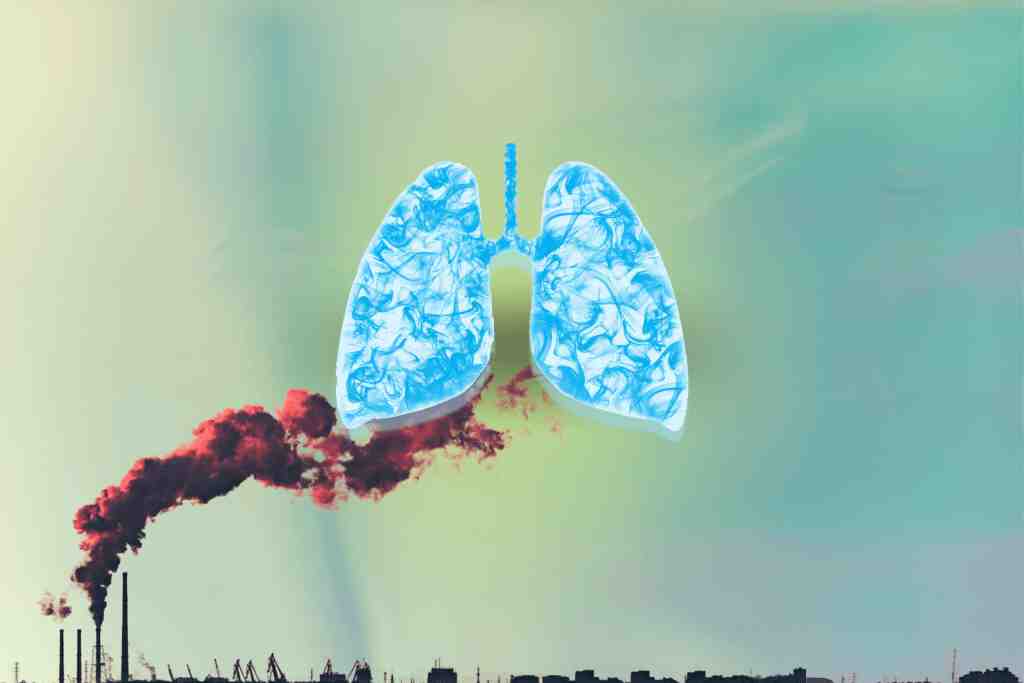
The report’s main message is both simple and deeply troubling: air pollution is an invisible killer that takes millions of lives every year. The document states that in 2023 alone, air pollution contributed to a devastating 7.9 million deaths around the world. To understand the scale of this, that number means polluted air is responsible for nearly nine out of every ten deaths linked to environmental causes.
Pollution is not just causing respiratory problems; it is quietly attacking the body’s most vital systems. Most strikingly, a massive 86% of all global air pollution deaths, about 6.8 million people are caused by noncommunicable diseases (NCDs). These are long-term, chronic illnesses such as heart disease, stroke, diabetes, and lung cancer. This shows that the damage from polluted air extends far beyond the lungs and into the entire circulatory system.
Adding to the concern, the State of Global Air Report 2025 tracked air pollution’s link to brain health for the first time. The findings are sobering air pollution is now associated with over 625,000 deaths every year from dementia, including Alzheimer’s disease. This new data confirms that polluted air harms the brain at all ages, signaling a long-term public health crisis.
The Source of the Problem: Fine Particle Pollution
The main source of these massive health problems is fine particulate pollution (PM2.5), tiny, dangerous particles produced by burning fossil fuels in cars, power plants, and factories. These particles are small enough to enter the deepest parts of the lungs and even pass into the bloodstream, where they cause the most severe damage.
Additionally, pollution from burning solid fuels inside homes for cooking or heating remains responsible for millions of deaths, particularly among young children and older people in low- and middle-income countries.
A Severe Threat to North Africa and the Middle East
The report casts a harsh light on regions suffering the most, identifying the Arab region as a major air quality “hotspot”.
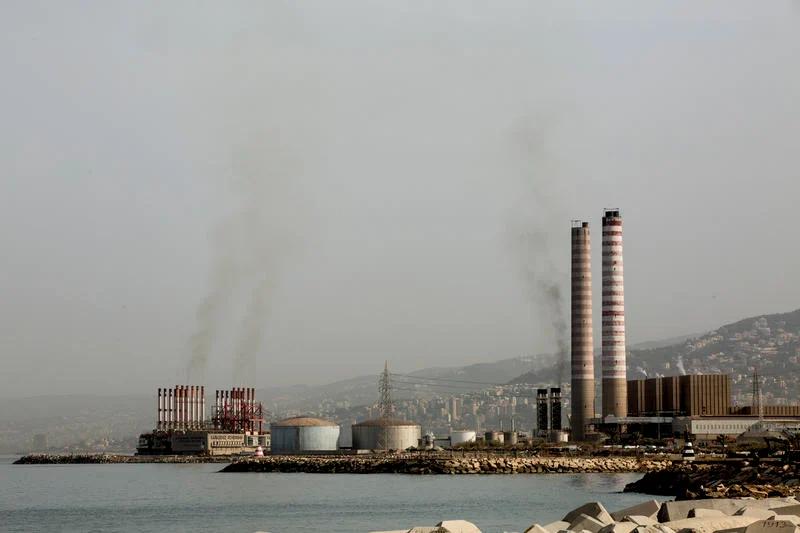
Data places North Africa and the Middle East among the most polluted regions globally, where people face some of the highest exposures to dangerous PM2.5 particles. This severe level of exposure puts the region alongside South Asia and parts of Africa as one of the most hazardous places on Earth for breathing clean air. A combination of industrial emissions, vehicle traffic, and natural factors such as dust and sandstorms creates a persistent and harmful haze.
Furthermore, the report highlights an increasing danger from ozone pollution in the region. Ground-level ozone is a harmful gas that forms when pollutants from vehicles, industry, and other sources react with sunlight and high temperatures. This gas is linked to lung damage and breathing difficulties. Countries in the Gulf region, such as Qatar and Bahrain, are listed among the top five countries globally with the highest levels of exposure to this harmful ozone, an alarming concern given the region’s extreme heat.
Ultimately, the State of Global Air Report 2025 serves as a major and unavoidable warning for the international community gathering at COP30.
To protect human lives and address the soaring rates of chronic disease, the report argues that the fight against air pollution, especially in highly exposed areas like the Middle East, must be treated with the same urgency as the climate crisis itself.