



LEBANON (Enmaeya Features) - October 31, 2025
Panhandling in Lebanon is on the rise. What was once a common street scene has now become a serious social and security issue affecting the entire community
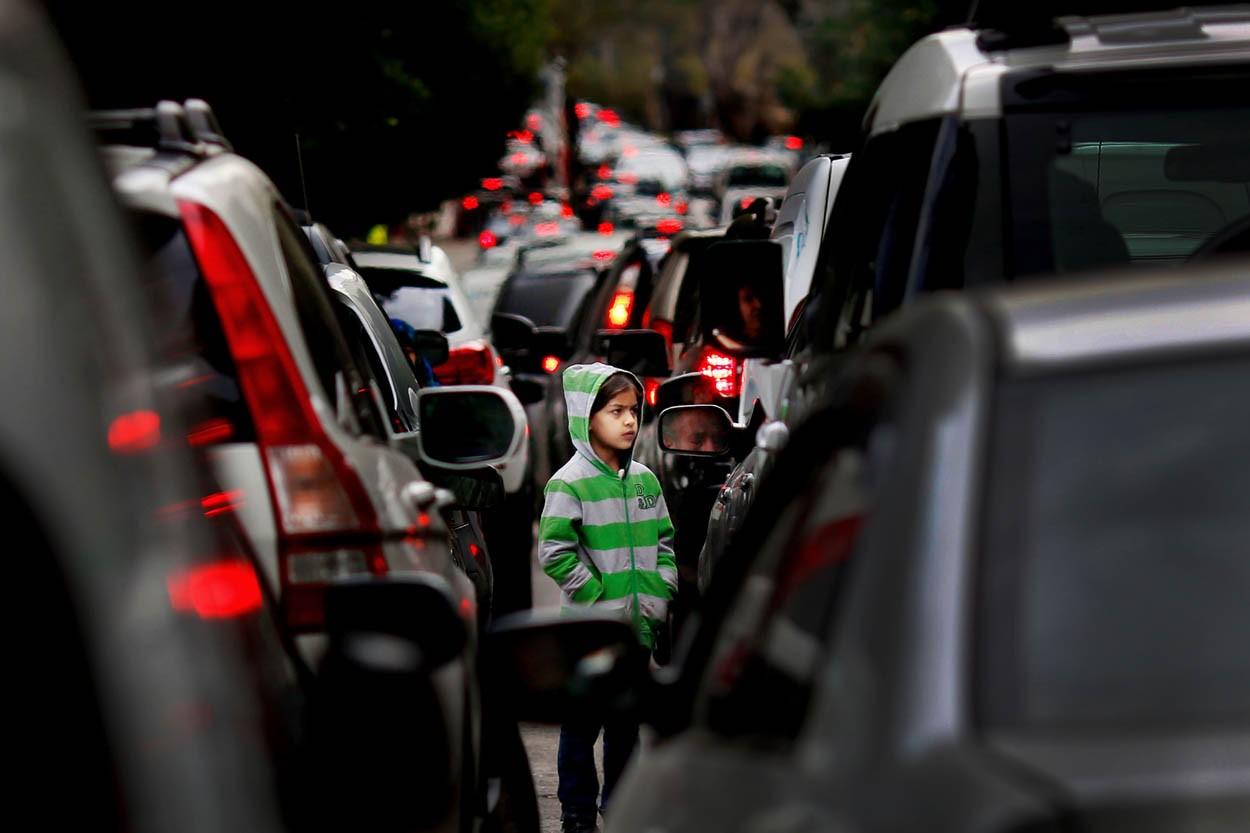
Street beggars are seen everywhere: at busy traffic lights, in front of shops, hospitals, schools, and even places of worship. While seeing children, women, and the elderly begging may evoke sympathy, many are exploited by criminal groups. These groups take their earnings and coerce them into illegal activities such as theft, pickpocketing, and, in some cases, even worse crimes like child abuse
Given these dangers, the question remains: how does Lebanese law protect these vulnerable groups and stop their exploitation?
Lebanon’s Duty to Protect Children
Lebanon’s constitution adheres to the Universal Declaration of Human Rights (1948) and other international treaties guaranteeing human rights. Among these is the International Convention on the Rights of the Child, adopted by the UN General Assembly on November 20, 1989, and ratified by Lebanon on November 20, 1990.
Lebanon also signed the Convention on the Rights of the Child on October 26, 1990, ratified by Law No. 20 on January 30, 1990. These agreements ensure protection for children from exploitation, including begging and forced labor, and emphasize the need to provide special care to guarantee their growth in a safe and healthy environment.
Street Begging Under Lebanese Law
Lebanese law states that anyone with financial resources or the ability to work who begs for personal gain commits a crime and is punishable by imprisonment with labor for one to six months. Repeat offenders may be placed in compulsory labor facilities.
Individuals forced to beg due to laziness, alcohol addiction, or gambling are subject to the same penalties and may also be restricted from entering areas selling alcohol.
Confiscating Money from Beggars Without Genuine Need
Those caught begging without legitimate need may have their money, jewelry, and other belongings seized by the state. This ensures that those claiming poverty for personal profit cannot benefit from this practice.
The Lebanese government once offered shelters and daily allowances to the homeless and needy, including children, orphans, and the elderly; however, these provisions have since been discontinued.
Protection of Children and Adolescents
Child beggars or homeless children are considered victims who require special protection under the Convention on the Rights of the Child and Lebanese law. Anyone who compels children to beg or abandons them in public spaces is punished with severe penalties, including imprisonment and hefty fines.
Courts are also obligated to take protective measures for children, including monitoring and providing psychological and social support to prevent exploitation or delinquency.
Fraudulent Begging and Exploitative Gangs
If beggars use fraudulent methods, such as faking injuries, carrying false poverty certificates, threatening others, or using children to beg, they face imprisonment from six months to two years and may be placed in labor facilities.
Begging within organized gangs or exploiting children constitutes human trafficking, punishable by up to 15 years in prison and heavy fines.
The role of Authorities and Municipalities
Municipalities play a central role in monitoring and addressing cases of street begging, particularly when children or homeless individuals are involved. Coordinated efforts between local authorities and the Ministry of Interior help ensure that protection measures are effectively implemented and that those exploiting vulnerable groups are held accountable.
Beyond enforcement, tackling organized begging requires a broader social approach.
Public awareness initiatives, partnerships with charitable organizations, and long-term national strategies aimed at reducing poverty can help create safer streets and more dignified living conditions for all citizens.