

WORLD (Enmaeya News) - November 5, 2025
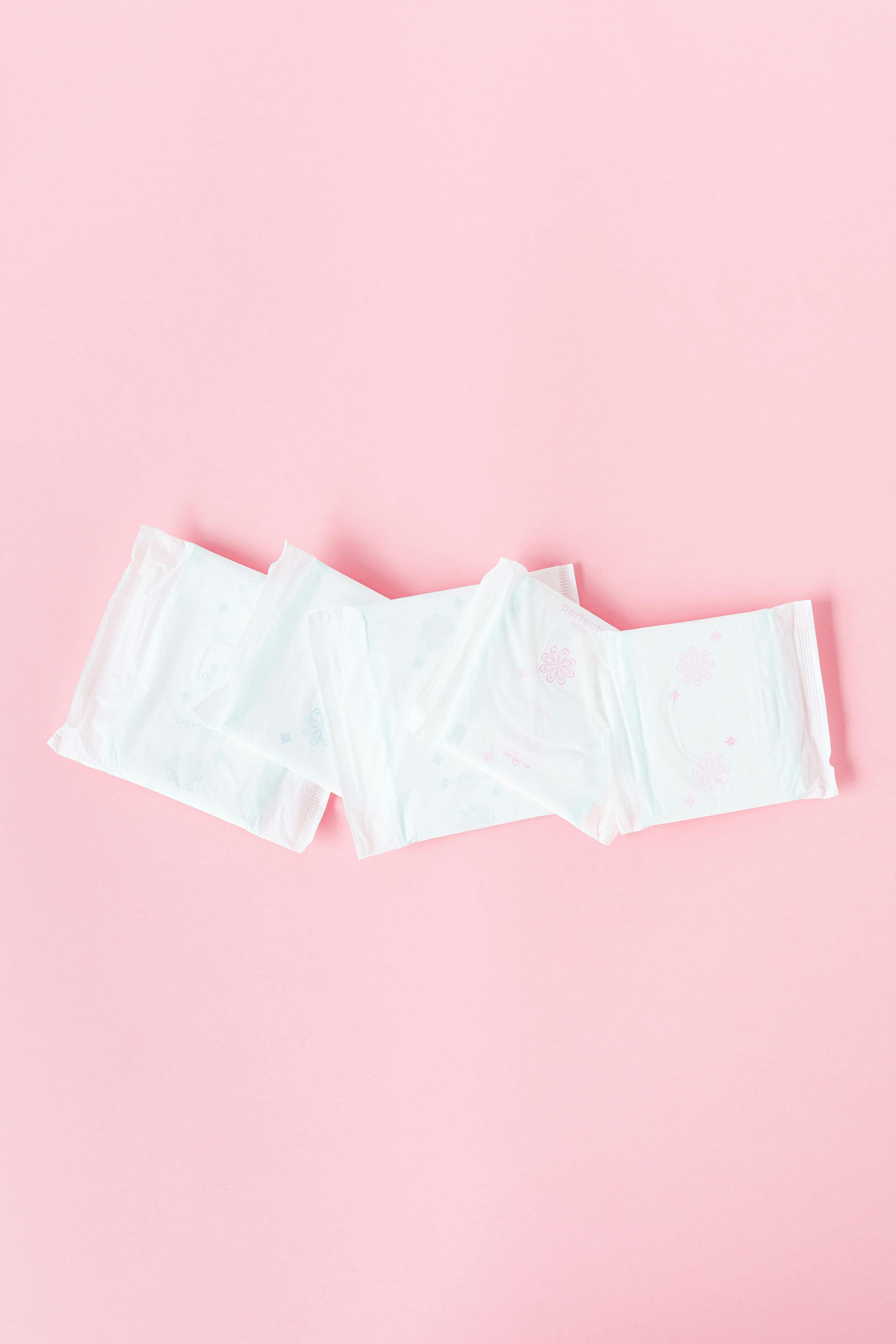
Social-media videos showing dark specks inside sealed sanitary pads have sparked widespread concern, but health experts emphasize that the risk of actual mold contamination in unused menstrual products is very low.
According to a recent Healthline report, users who observed what appeared to be fungal spots through sealed packaging likely encountered visual effects caused by the materials or storage conditions, rather than genuine mold growth.
Studies of unused menstrual products have consistently shown minimal microbial presence, and no evidence links sealed pads to mold-related health risks.
Specialists explain that the absorbent core of pads, made with super-absorbent polymers (SAP), can appear darker when exposed to strong light. Similarly, adhesive layers, recycled fibers, or backing-film irregularities can create the illusion of “spots.”
Health experts note that if true mold contamination were to occur, an extremely rare scenario, it could cause minor skin irritation in sensitive individuals. Serious infections remain highly unlikely, especially from sealed products.
Consumers are advised to store pads in cool, dry environments, avoid humid bathrooms or direct sunlight, and inspect packaging for signs of damage or moisture. Any pad showing visible mold or dampness inside its wrapper should be discarded.
While viral claims have fueled alarm, experts reaffirm that such cases are rare and typically linked to improper storage or optical misperception, not systemic contamination. Vigilant storage and inspection remain the best protection.