



LEBANON (Enmaeya Features) - November 6, 2025
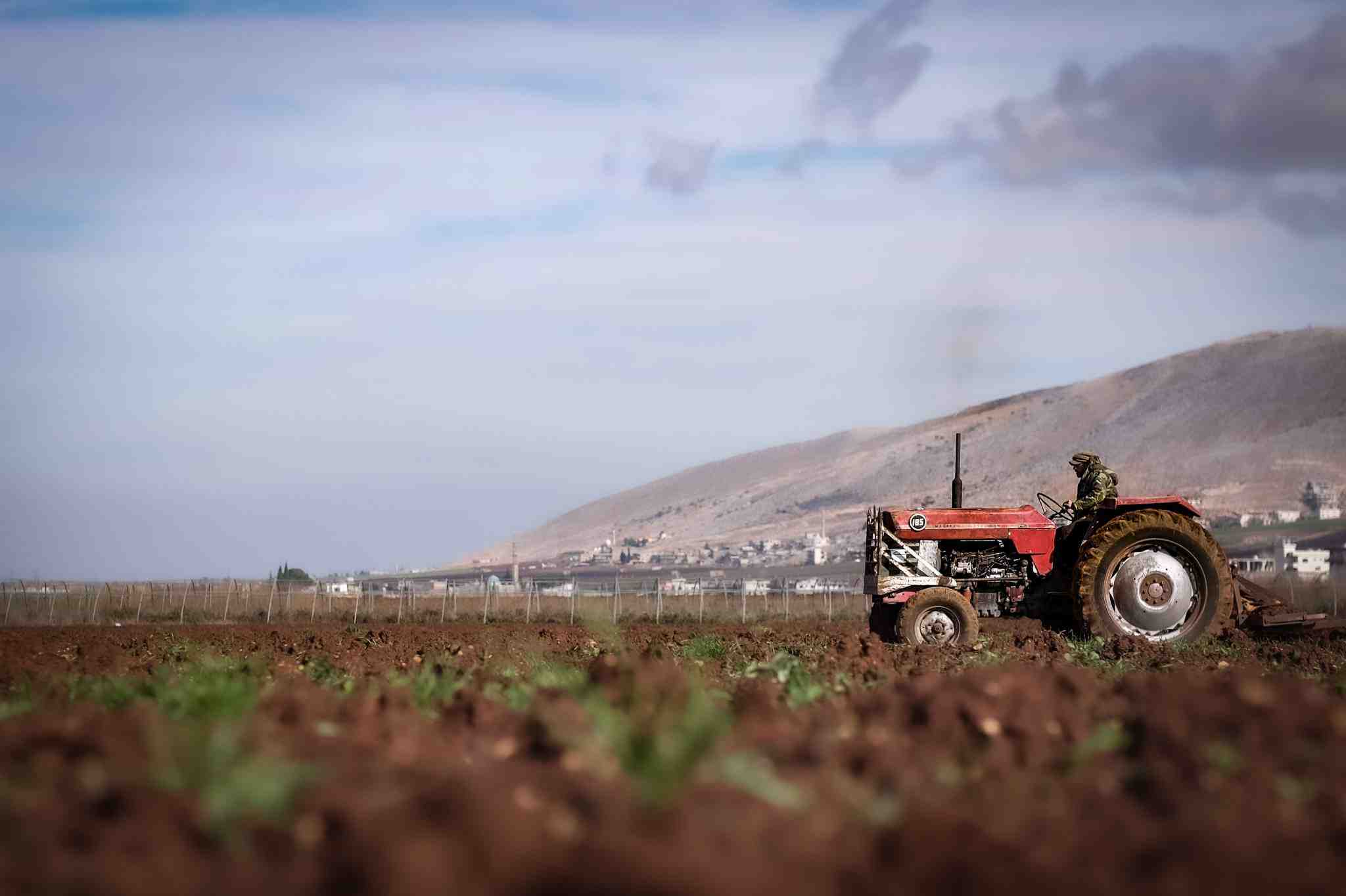
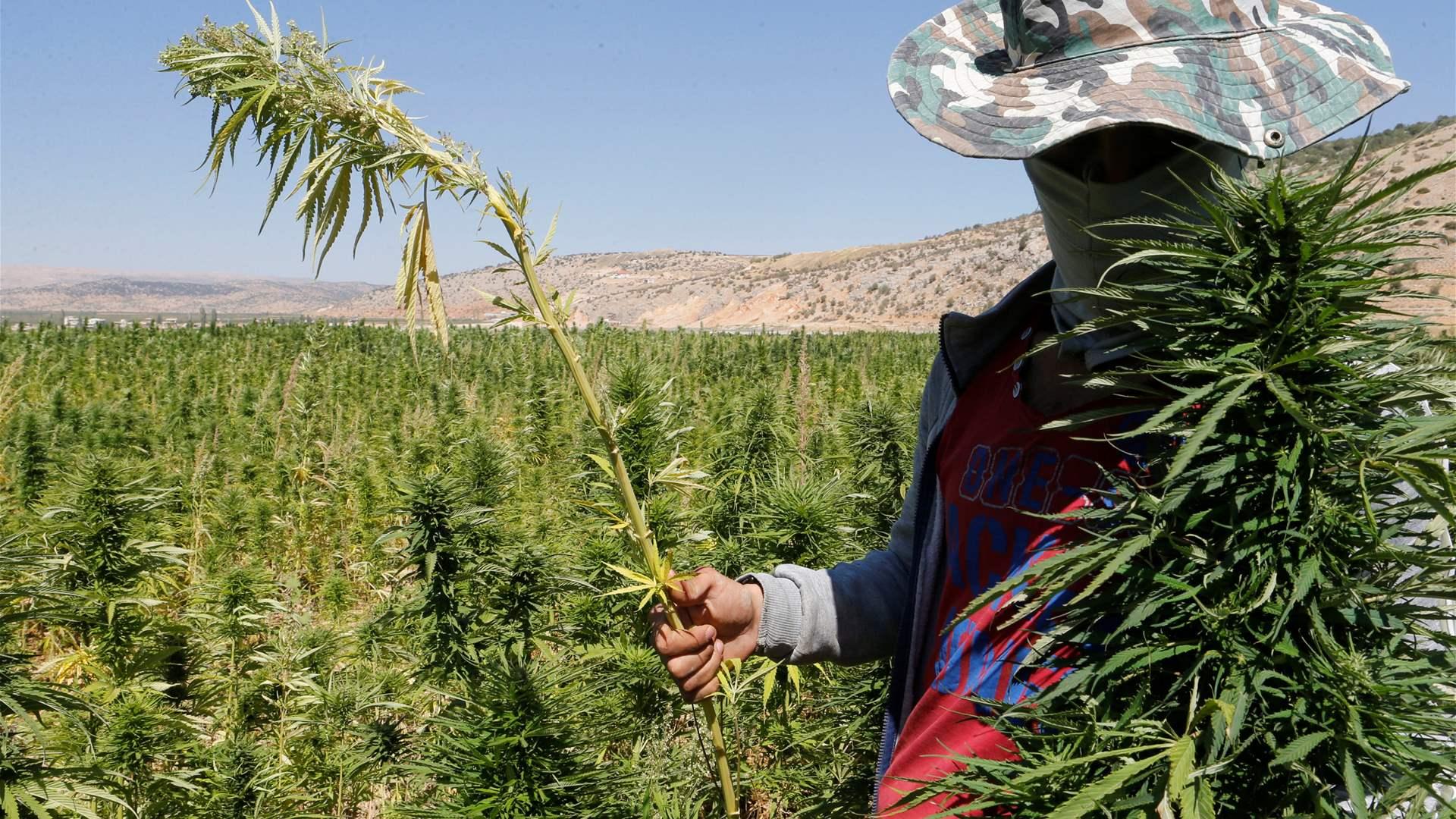
Lebanon’s Bekaa Valley, long known for its cannabis cultivation, sits at the heart of a decades-long debate between economic survival and legal reform. For many farmers, cannabis has been both a livelihood and a lifeline, grown quietly in the shadows of law enforcement and political uncertainty.
A Law Without Action
In 2020, the Lebanese Parliament passed Law No. 178, legalizing the cultivation of cannabis for medical and industrial use. The decision was hailed as a turning point, potentially unlocking new economic opportunities and attracting international investment.
Yet, in the years that followed, implementation stalled. Even after legalization in 2020, authorities have continued to carry out crackdowns on plantations in an effort to prevent cannabis from being used for illegal drug production.
Around 450 hectares in the foothills of Hermel in western Lebanon remain covered with cannabis plants, according to Al Jazeera.
The absence of an effective regulatory framework left most production outside a legal framework, and the promise of reform faded amid Lebanon’s broader political and economic turmoil.
Steps Towards Regulation
In 2025, the Ministry of Agriculture announced concrete measures to activate the long-dormant law, beginning with the creation of a regulatory authority responsible for overseeing the cultivation, production, and marketing of cannabis.
The establishment of the National Authority for the Regulation of Cannabis Cultivation, approved by the Cabinet in July 2025, marked a long-awaited step toward organizing the sector and bringing it under state supervision.
For hundreds of farmers in the Bekaa, this move offered renewed hope and represented the prospect of transitioning from an illicit trade to a legitimate industry.
“The regulation of cannabis cultivation comes after years of demands from Bekaa farmers to legalize it, as many countries around the world have already done,” Dany Fadel, President of the National Authority for the Regulation of Cannabis Cultivation, told Enmaeya.
“Farmers in the Bekaa should not have to seek work in Beirut when this plant thrives naturally in our climate and soil. Tests have shown that our local produce meets international quality standards,” Fadel added.
The Platform
To further strengthen efforts to ensure quality, prevent illegal use, and regulate the industry, the National Authority for the Regulation of Cannabis Cultivation is developing a dedicated platform.
“We’re developing a platform that comes at no cost to the government,” Fadel said. “It will allow farmers to apply for permits to cultivate cannabis and serve as a link between the National Authority, the farmers, and pharmaceutical companies.”
The platform will also facilitate the sale of cannabis crops to licensed pharmaceutical companies, ensuring full traceability from cultivation to distribution.
“This platform will also serve as a safety net to help farmers comply with international standards, including water, soil, and product testing,” Fadel explained.
Monitoring, Compliance, and Control
While the platform is a crucial step toward regulation, public concern remains over the state’s ability to effectively curb illegal cultivation and hold violators accountable.
“There are multiple ways to monitor cultivation,” Fadel told Enmaeya. “These include coordination with security forces, regular inspections by the Ministry of Agriculture, the Ministry of Industry, or municipalities."
"Monitoring through advanced technologies is also possible, such as using drones or satellite imagery. Essentially, this will allow us to detect whether crops are being sold illegally or if a farmer is exceeding the licensed cultivation area," Fadel added.
A Potential Economic Lifeline
For a country struggling with economic collapse, soaring unemployment, and dwindling state revenues, cannabis could offer an untapped source of growth and stability.
According to LBCI, Agriculture Minister Nizar Hani has estimated that properly regulating and legalizing cannabis cultivation could generate between $1 billion and $3 billion annually for the Lebanese government.
Beyond state revenue, cannabis presents opportunities for local pharmaceutical manufacturing and export markets. By creating a regulated supply chain, Lebanon could ensure that farmers benefit directly from their crops while supporting the development of a new industrial sector.
“Lebanese manufacturing facilities should buy the produce at fair prices from the farmers,” Fadel told Enmaeya. “We are also developing a mechanism to manage exports, based on prices specified through the platform, so that both farmers and the state benefit from a transparent and controlled system.”
According to The Policy Initiative, experts also say that if implemented effectively, the regulated cannabis sector could provide stable incomes for rural communities, reduce reliance on illegal cultivation, and attract foreign investment, potentially positioning Lebanon as a major player in the regional medical and industrial cannabis market.
The Road Ahead
Lebanon’s path to a regulated cannabis industry reflects both opportunity and challenge. While new laws, regulatory authorities, and digital platforms promise oversight, transparency, and economic benefit, success will depend on the government’s ability to enforce rules, protect small farmers, and ensure that the sector grows sustainably. For the Bekaa Valley, cannabis may finally evolve from a shadow economy into a legitimate engine of growth, but only if regulation is matched by action.