



LEBANON (Enmaeya Features) - November 8, 2025
As the world marks World Urbanism Day on November 8, a day celebrating the role of planning in creating livable and sustainable communities, Lebanon’s cities tell a very different story. They stand at the crossroads of crisis and resilience, struggling under the weight of decades of policy stagnation and the compounding effects of economic, environmental, and political collapse.
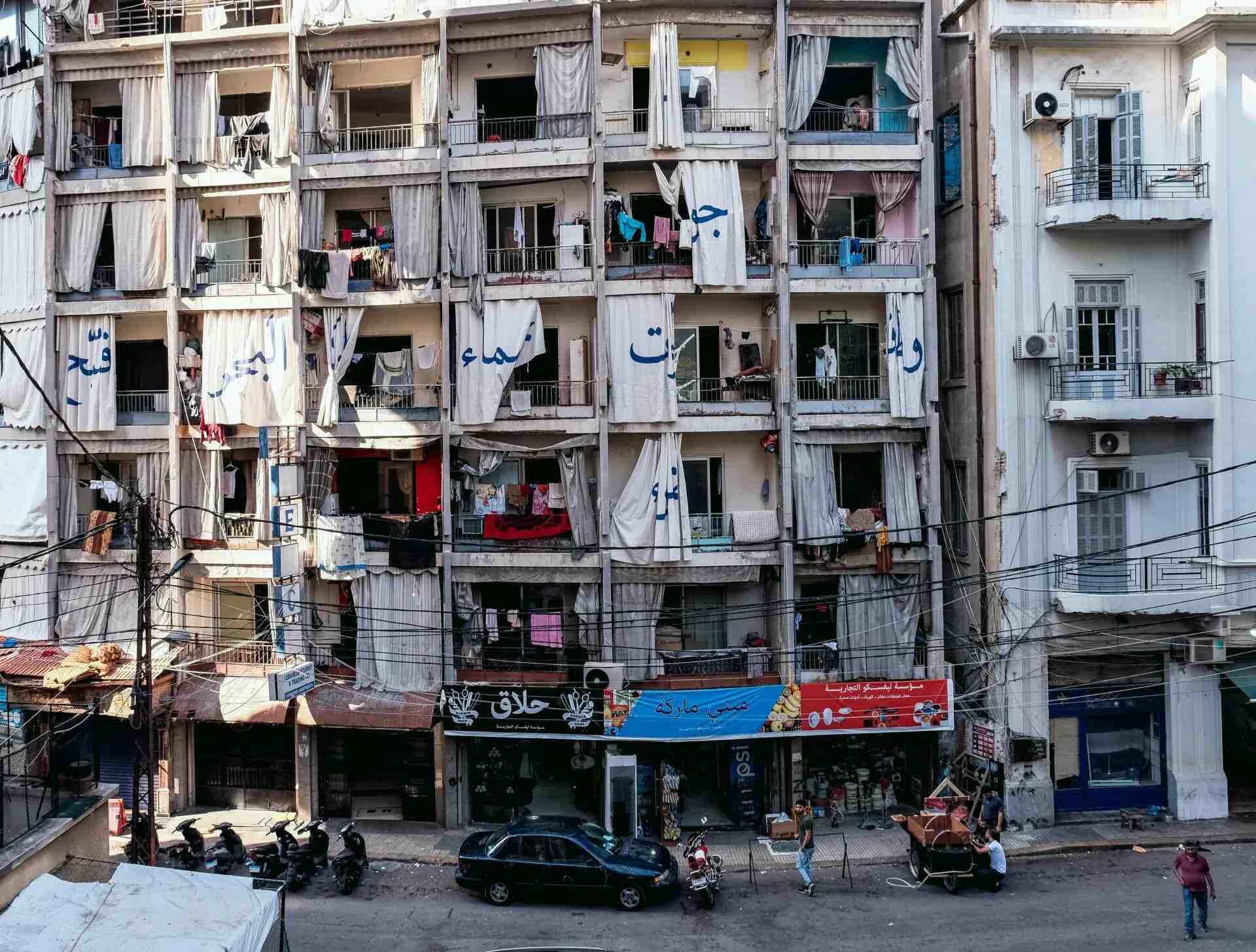
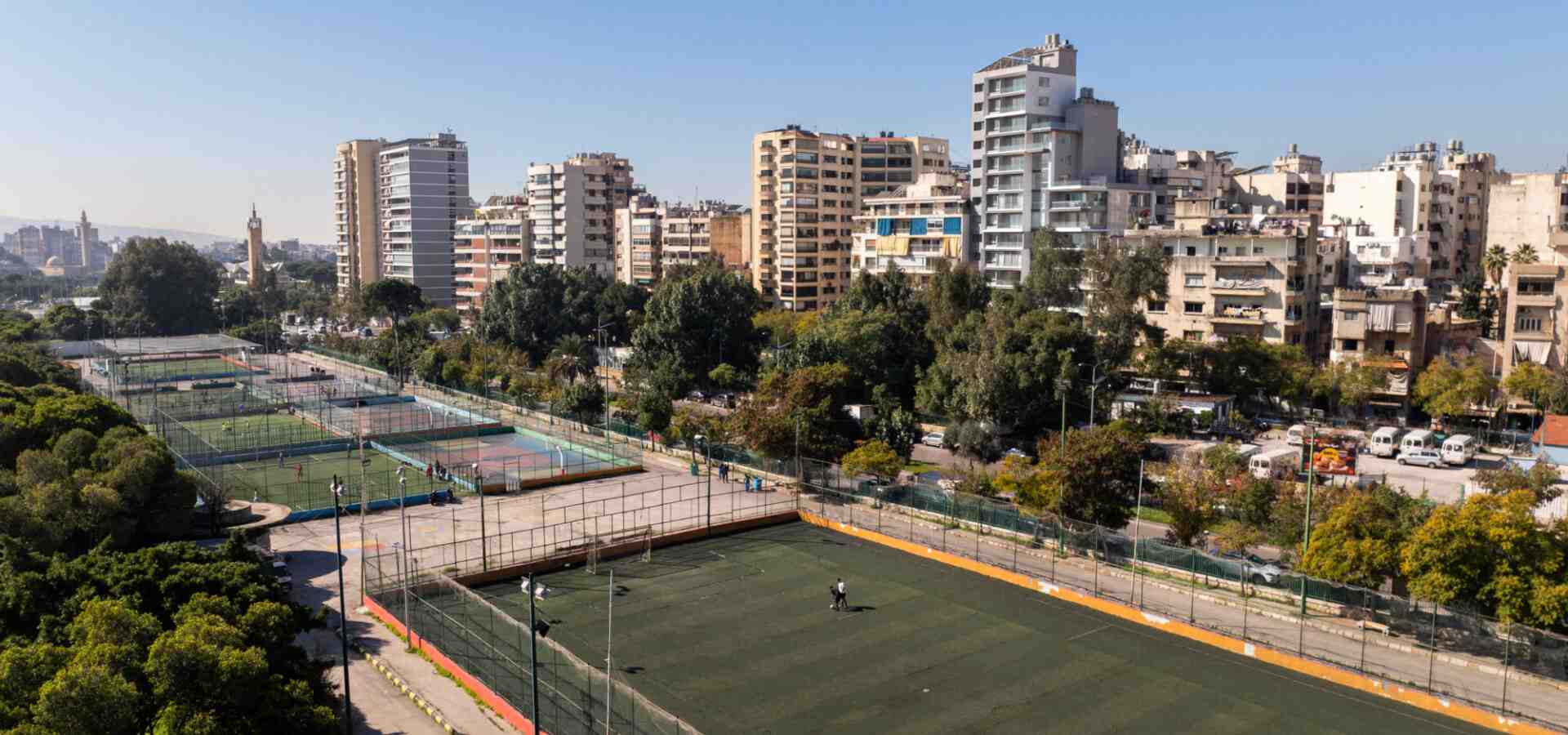
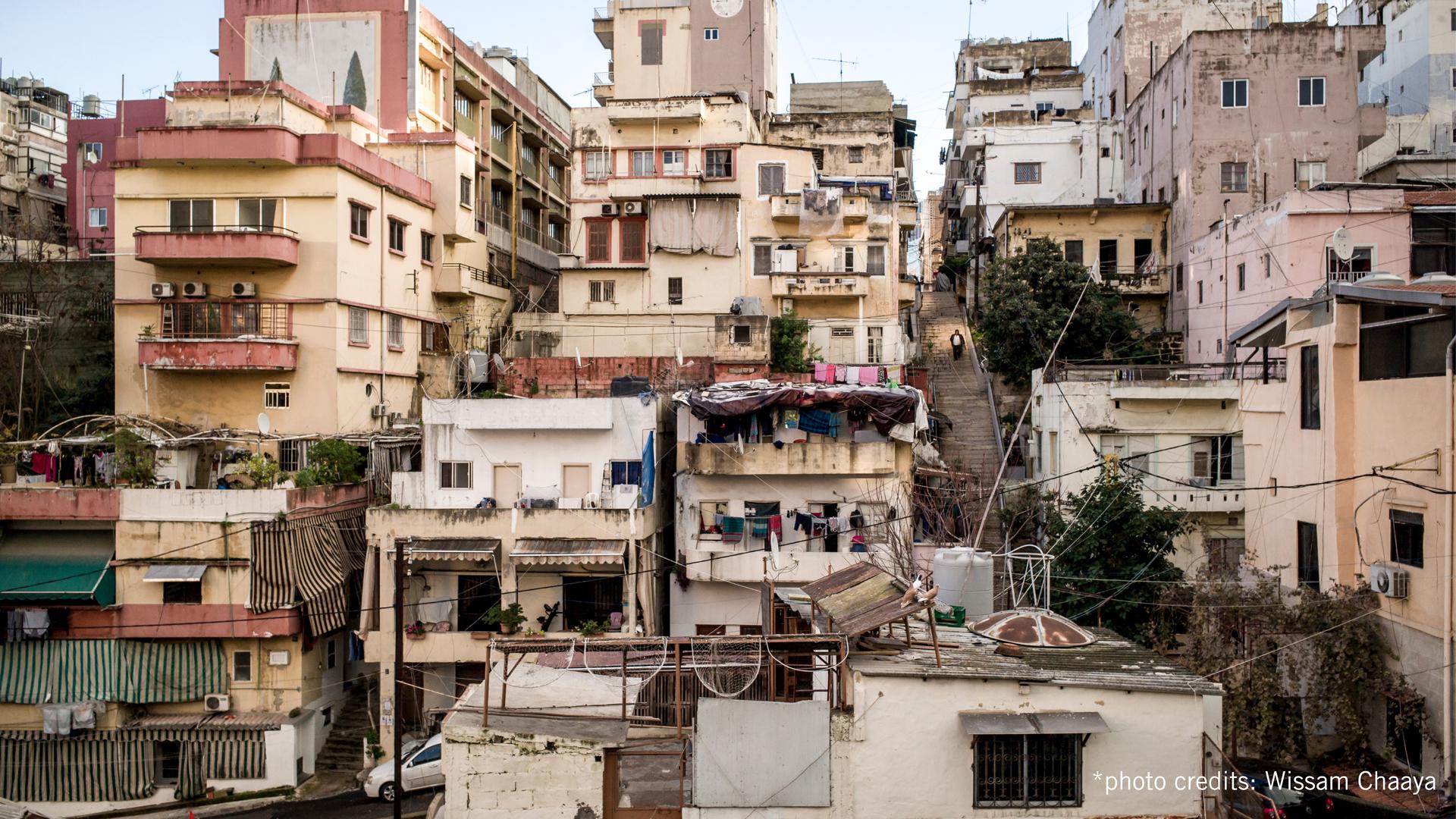
According to the World Bank, Lebanon’s urban population now represents 89.6% of the total, one of the highest rates in the region. This intense urban concentration has placed enormous pressure on already fragile infrastructure, from transport networks to water systems.
The recent war, which occurred between October 2023 and December 2024, alone caused an estimated US$7.2 billion in direct damage, with reconstruction and recovery needs reaching US$11 billion.
The current reality poses a major challenge for Lebanon: how can it transform immediate crisis response into a comprehensive strategic vision for reconstruction and sustainable development?
More Than a Symbolic Occasion
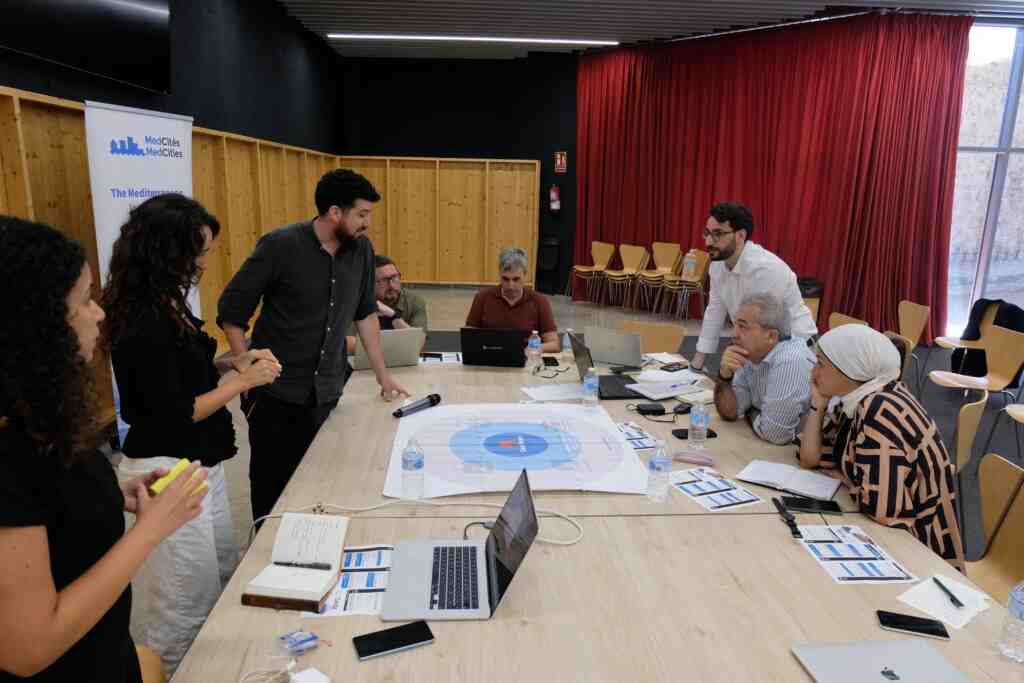
“Cities are part of everyone’s lives, we grow up in them, interact with them, and shape them as they shape us,” says Jad Jari, Urban Analysis and Development Expert. “That’s why understanding how cities evolve and develop is crucial.”
For Jari, World Urbanism Day is not symbolic; it’s a reminder that cities are living systems that mirror society’s capacity for adaptation. In Lebanon and across the Global South, development isn’t just about expansion, he says, but about preservation and renewal. “Ultimately, the goal is to develop cities that help us live better lives.”
Technical Expertise Exists; Policy Is the Barrier
Lebanon’s urban and environmental frameworks have barely evolved to address climate change. “They treat climate as a fixed factor, not a dynamic one,” Jari explains. “Every sector, water, energy, and infrastructure, should integrate climate change considerations within its own policies. The problem isn’t technical capacity; Lebanon has the expertise. The issue is policy development.”
The country’s National Physical Master Plan for the Lebanese Territory remains largely outdated. Meanwhile, other nations are adopting climate-responsive and inclusive urban models that center on resilience, mobility, and green infrastructure.
Jari highlights the need for decentralization, empowering municipalities to act with both financial and institutional autonomy. “Our policymaking structures are rigid and under-resourced. Without reform, planning will always remain reactive, not proactive.”
Youth As Urban Catalyst
For Jari, urban transformation cannot happen without youth engagement. “There needs to be a shift in education so that young people understand what urban planning means and how they can influence it,” he says.
He calls for public schools to incorporate urban literacy, while municipalities and youth organizations should create platforms for civic participation.
“We need to move from seeing youth as passive observers to recognizing them as active partners in governance.”
With nearly nine out of ten Lebanese living in urban areas, this participation is not optional; it’s essential to ensure cities reflect the priorities of those who will inherit them.
From Crisis Response to a Strategic Vision
If Lebanon were to adopt a new, inclusive, and sustainable urban vision, Jarii argues, priorities like waste management, transportation, and infrastructure should not be treated in isolation. “They form a circle, a system that must evolve under the umbrella of sustainable development,” he notes.
But for that to happen, mindsets must change. “The main obstacle in Lebanon isn’t a lack of technical expertise,” he says. “It’s the absence of coherent policy development and the need to restructure political institutions. That’s the real foundation for progress.”
A Call For Urban Renewal
Lebanon’s cities, from Beirut to Tripoli to Tyre, have always embodied resilience. Yet resilience alone cannot sustain them. World Urbanism Day serves as a timely call to move beyond short-term fixes and toward long-term planning that prioritizes people, sustainability, and equity.
Urban renewal in Lebanon will not be about simply rebuilding what has been lost, but about reshaping how cities function on social, economic, and environmental levels.
Cities are a reflection of the societies that build them, and what we choose today in their design and planning will determine the quality of life for future generations and their level of sustainability.