Lebanon (Exclusive Enmaeya) – November 18, 2025
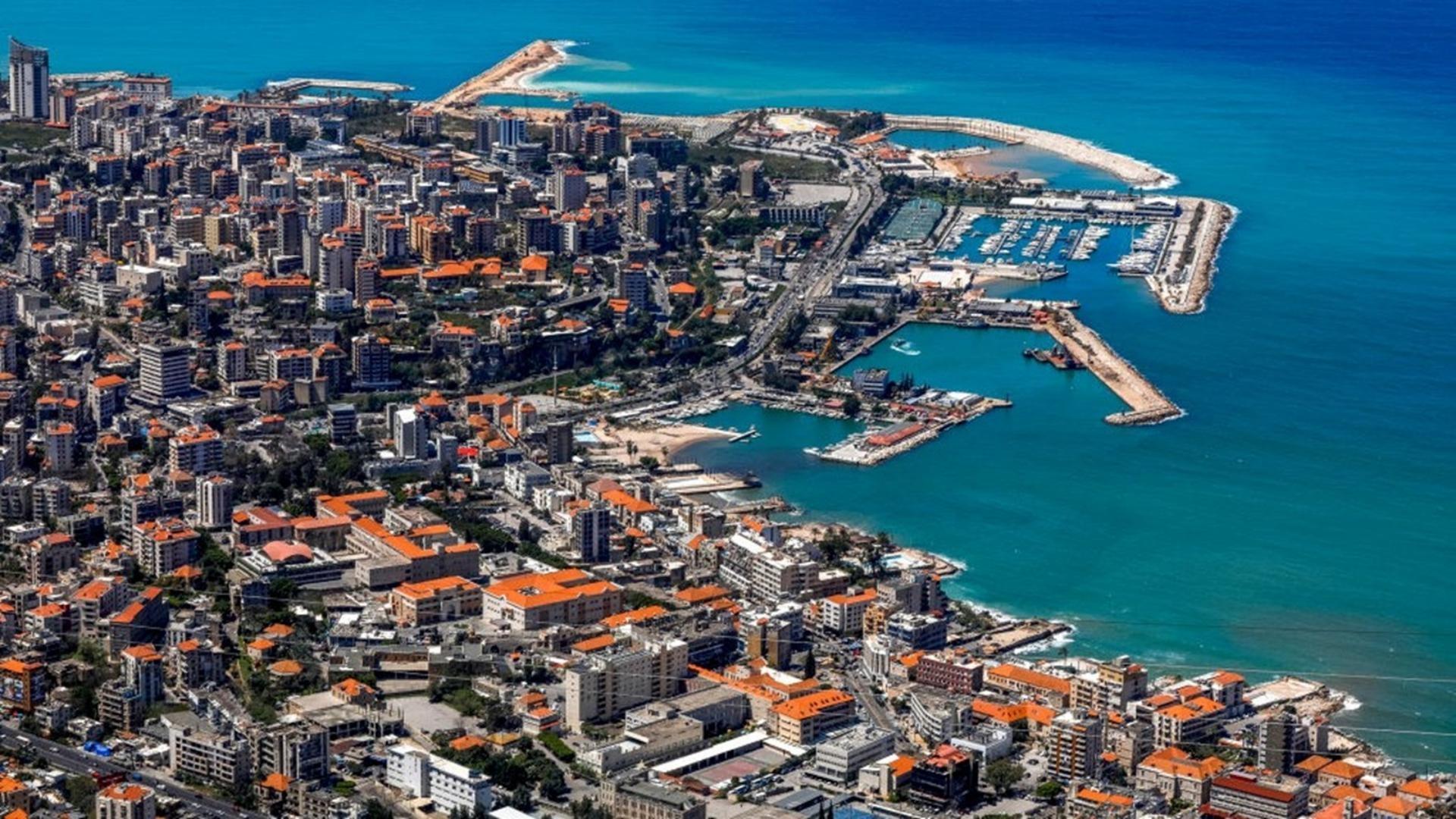
After more than three decades of closure, Jounieh Port has once again emerged on the Mediterranean tourism map, following a comprehensive rehabilitation project. The renovation included piers, lighting, security equipment, and supporting infrastructure. Today, the port is fully equipped to accommodate small and medium-sized vessels according to international safety standards, restoring its vital role as a hub for maritime tourism in Lebanon.
Modern Facilities and Safe Reception
Despite officially reopening in September, the maritime line between Jounieh and Larnaca Port in Cyprus remains inactive. Minister of Public Works and Transport, Fayyad Rassamni, recently indicated that operations are expected to commence in April. The delay is attributed to maritime navigation conditions, seasonal weather changes, and decreased tourist traffic during winter. The launch is therefore considered optimal with the beginning of the next summer season.
Sources from the Ministry confirmed that the project was funded by a grant from businessman George Fram, alongside contributions from Tripoli Port via the Council of Ministers. These funds provided the foundation for the port’s full operational readiness, including upgrades in infrastructure, safety, and logistics.
Awaiting the Maritime Line
The actual operation of the maritime line largely depends on private sector initiatives, fully supported by both the Lebanese and Cypriot authorities. All parties are working to overcome logistical and administrative challenges.
Jounieh’s strategic location, coupled with a large Lebanese community in Cyprus, makes the 3–4 hour journey a valuable opportunity to boost maritime tourism and enhance passenger and ship traffic.
Opportunities Ahead
Thanks to its modern facilities, the port is capable of handling all tourist vessels arriving from any European port. This makes it attractive for new tourism companies with the start of the summer season.
The reopening of Jounieh Port represents a strategic step toward revitalizing Lebanon’s maritime tourism sector and opens new horizons for tourism and commercial investment.
However, the project’s success on the ground remains heavily dependent on the cooperation of the private sector, Lebanese and Cypriot authorities, and the commitment of tourism companies to operate regular routes.
Despite these efforts, it remains uncertain whether the port will see regular maritime traffic soon or if delays will continue into the next season.