



BEIRUT (Enmaeya News) - November 20, 2025
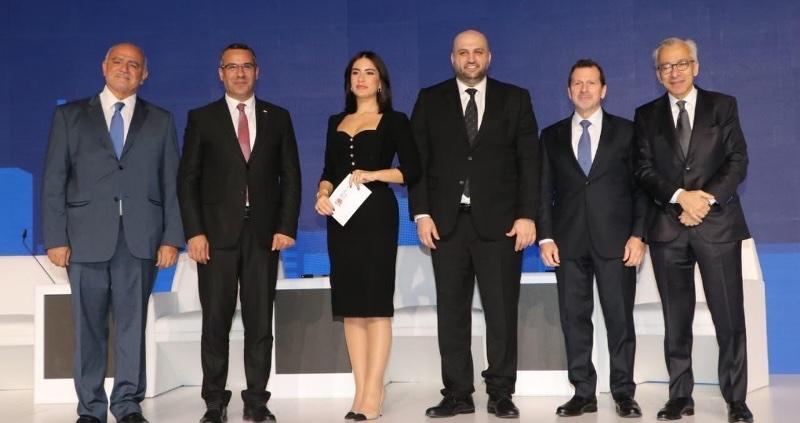
Agriculture Minister Nizar Hani described Lebanon’s agricultural sector as a “promising investment platform” during his intervention at the Beirut 1 conference on Tuesday, emphasizing the sector’s potential to contribute to economic recovery despite ongoing national challenges.
Speaking during a session dedicated to investments in social infrastructure, Minister Hani reported that the value of agricultural production increased from $1.9 billion in 2019 to $2.17 billion in 2024.
He said this growth demonstrates the sector’s resilience during the financial crisis and argued that targeted reforms could further expand its capacity.
The minister outlined the ministry’s National Agriculture Strategy 2026–2035, which focuses on three pillars: supporting farmers and rural communities, promoting environmentally sustainable practices, and strengthening long-term economic viability.
The strategy includes institutional restructuring, enhanced coordination among public institutions, and expanded engagement with the private sector through public-private partnerships.
The minister also highlighted plans for more than $120 million in agricultural projects supported by international partners, in addition to a $200 million World Bank loan allocated to the “GATE” program.
According to the minister, these funds will be directed toward modernizing production methods, improving irrigation efficiency, and expanding value-chain infrastructure.
Addressing food security, the minister noted that Lebanon still imports over 85 percent of its food needs. He said increasing local production and enhancing export competitiveness are priorities for the ministry. He added that agricultural exports could potentially exceed $2.5 billion by 2030, particularly through expanded access to Gulf and European markets.
The minister concluded by emphasizing the need for technology-driven agriculture, including precision farming, improved water management, and more sustainable crop systems.
He said these measures are essential to stabilizing the sector and reinforcing its role in Lebanon’s economic recovery.