



LEBANON (Enmaeya Features) - November 26, 2025
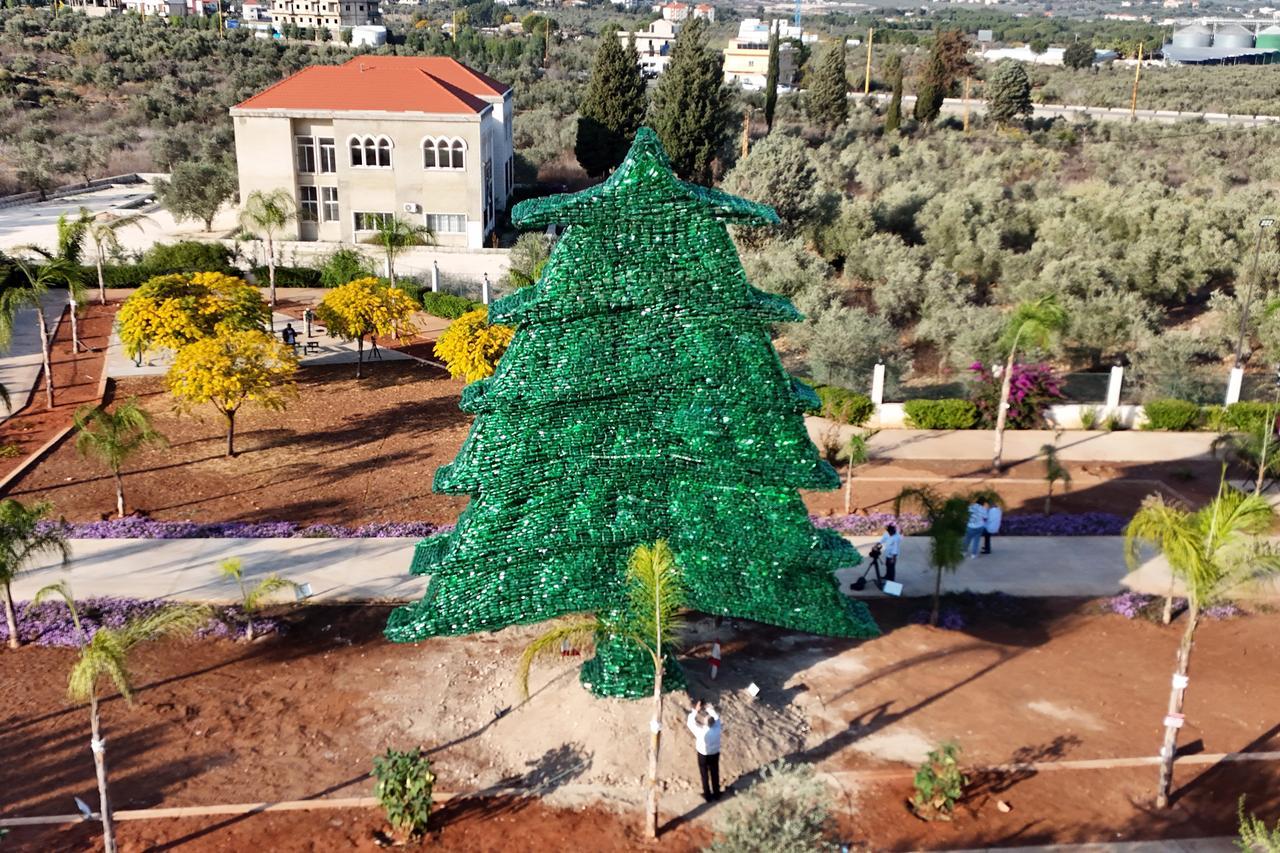
In a small town in northern Lebanon, a 10-meter cedar made of 450,000 plastic bottles towers over the crowd. But this is more than just an installation, it’s a statement.
Lebanese environmental activist and artist Caroline Chaptini has reconstructed the world’s largest plastic cedar tree using more than 450,000 green bottles, setting a new Guinness World Record. The towering structure surpasses the previous record of 9 meters.
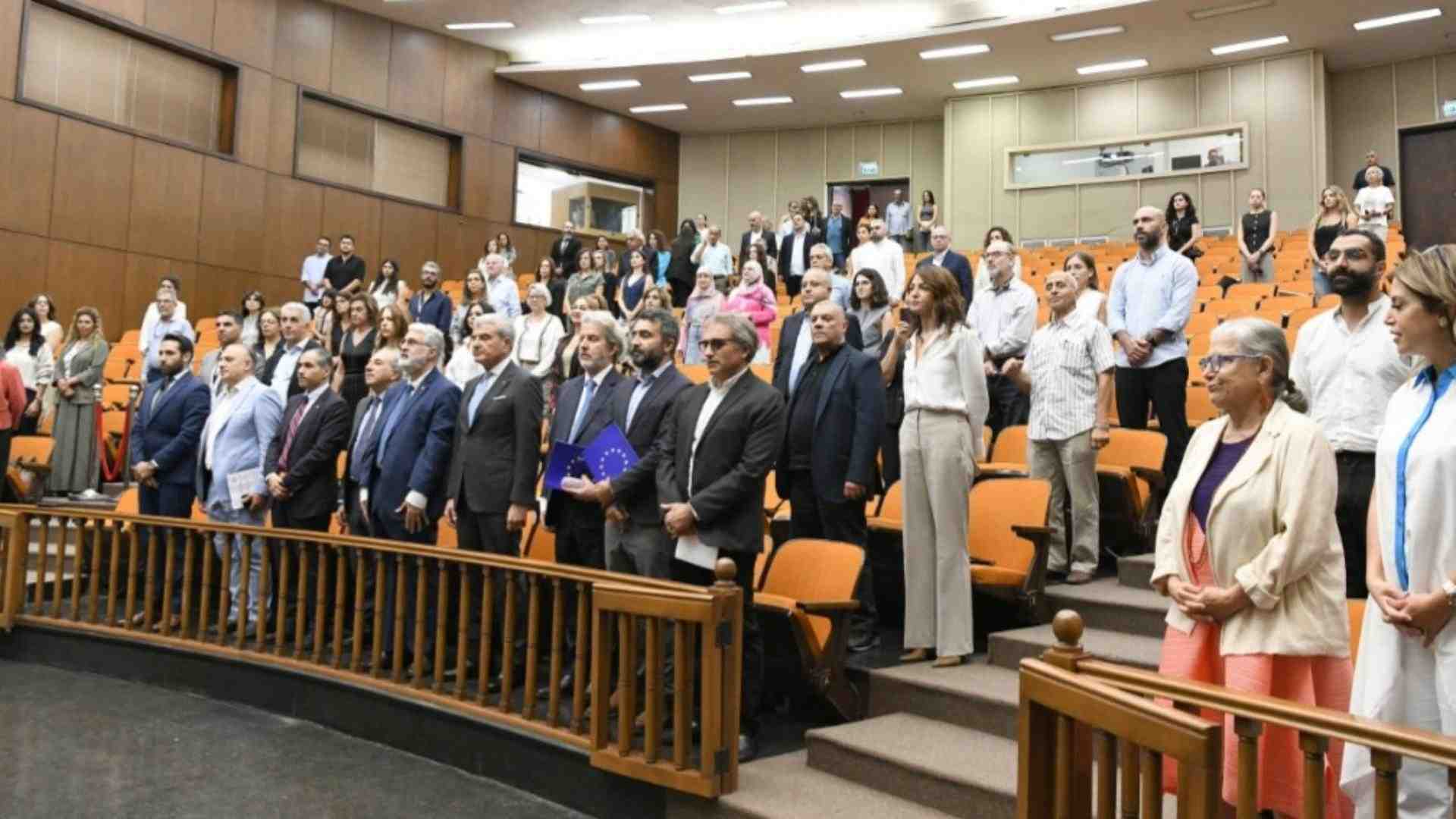
The project was unveiled by the Emyun Municipality during celebrations marking Lebanon’s 82nd Independence Day. Guinness World Records has officially certified the installation, confirming its status as the largest plastic cedar tree in the world.
Chaptini now holds six Guinness World Records for creative recycling projects, including a 196.94-square-meter mosaic made entirely of bottle caps.
How It Began
Chaptini told Enmaeya that her first plastic tree was a 2-meter-long Christmas tree she built for her daughter.
“Afterwards, I was inspired by Mexico’s largest plastic tree and decided to create a 28-meter tree in Chekka, earning my first Guinness World Record,” Chaptini said.
"This achievement was a personal challenge: to reclaim a spot for Lebanon in the Guinness World Records after the war,” she added.
The Cedar of Hope
Chaptini explained that the idea for the “Cedar of Hope” began during the 2024 war in Lebanon.
“Amid the devastation, I decided the tree would be 10 meters tall and made of 452,000 green bottles, symbolizing Lebanon’s 10,452 km²,” she said.
The project also highlighted community involvement. Chaptini reached out on social media for help collecting green bottles, and people from multiple areas responded. “Working with more than 6,000 students was the highlight, teaching them to transform trash into art and letting them take part in an environmental Guinness World Record,” Chaptini told Enmaeya.
Beyond the Symbolism
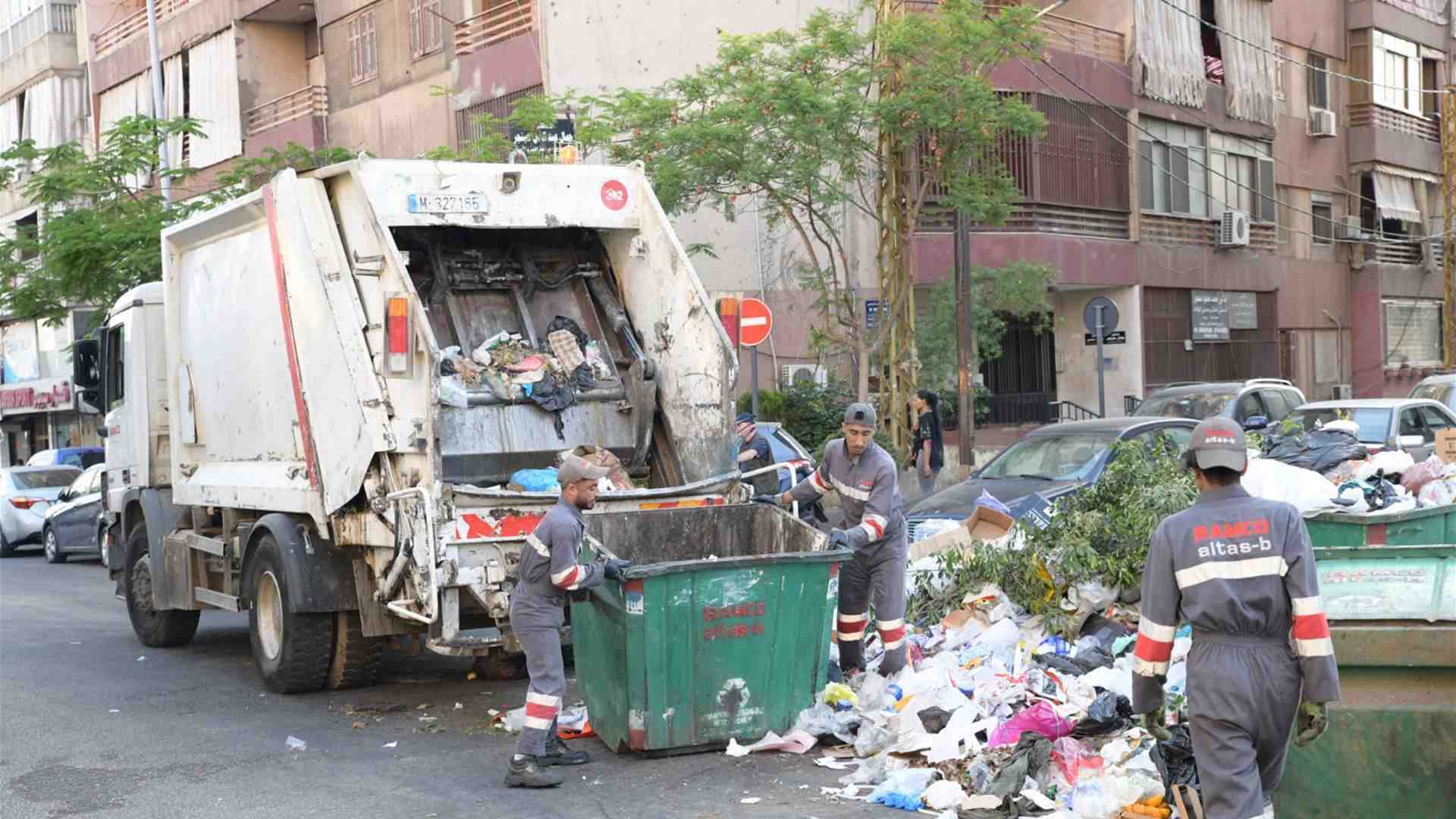
The installation has sparked conversations about Lebanon’s growing waste crisis and the role citizens can play in addressing it. For many visitors, the towering green cedar illustrated how quickly everyday plastic use accumulates. By turning waste into a national symbol, Chaptini hopes to encourage a shift in habits and attitudes.
What Happens Next
Chaptini’s project blends environmental action with a message of hope. She told Enmaeya that each installation gathers nearly five tons of plastic bottles. After the exhibition ends, she dismantles the structure, recycles the bottles, and donates the proceeds to children with cancer.
Looking ahead, Chaptini says she hopes the project encourages more community-driven environmental efforts. For her, the Cedar of Hope is less about breaking records and more about keeping conversations on recycling and sustainability active and visible in Lebanon.