



LEBANON (Enmaeya Feature) - December 3, 2025
In Lebanon, persons with disabilities have long found themselves navigating a landscape not built with them in mind. Daily life, whether accessing a school, a clinic, a government office, or a sidewalk, remains full of obstacles. But after years of advocacy from disability-rights groups, Lebanon may finally be on the verge of meaningful change.
The Ministry of Social Affairs (MoSA) has announced a new national strategy for disability inclusion, expected to launch in the coming weeks. Unlike earlier efforts that centered mostly on aid distribution, the strategy aims to position persons with disabilities as full and equal participants in society.
It promises reforms across education, healthcare, public infrastructure, and social protection, marking a shift from charity to rights, and potentially a turning point in how Lebanon approaches inclusion.
A Renewed Commitment
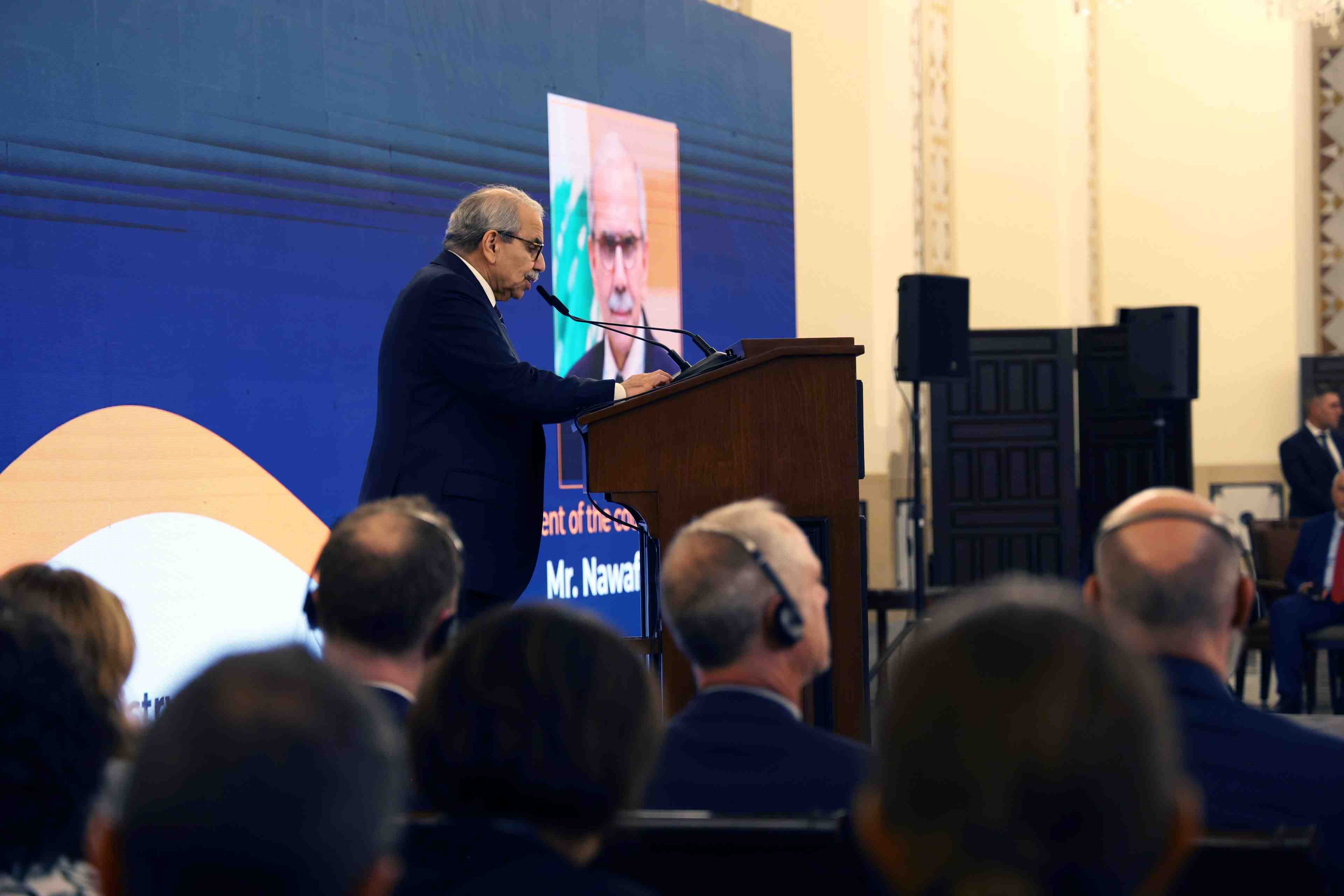
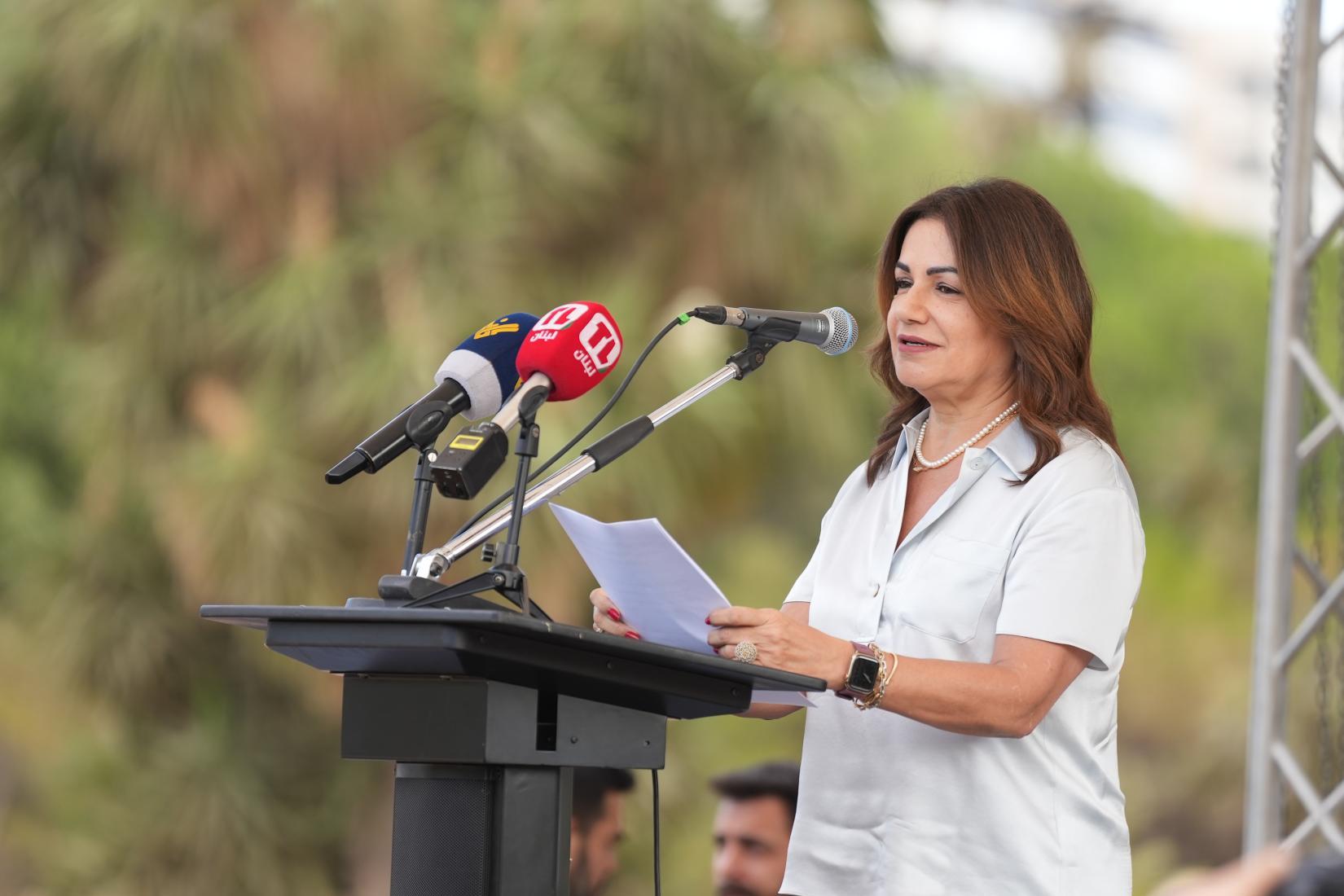
During the national commemoration of the International Day of Persons with Disabilities, the ministry reaffirmed its pledge to build a more inclusive system. Minister of Social Affairs Haneen Sayed emphasized that integration cannot be limited to isolated initiatives. Instead, Lebanon needs deep, structural reforms and a long-term vision that guarantees equal access and empowerment.
Civil society groups echoed that urgency. Despite decades of awareness campaigns, many people with disabilities still face wide gaps in education, employment, and public services.
Activists stressed that real progress will require Lebanon to fully align its laws and institutions with the Convention on the Rights of Persons with Disabilities (CRPD) and adopt a comprehensive legal framework for equal opportunity.
"SESOBEL views the upcoming national strategy for disability inclusion as an essential step toward building a more just and accessible Lebanon," Maria Abu Saade, Communications Director at SESOBEL, told Enmaeya.
A Historic Milestone for Lebanon
Minister Al-Sayyed highlighted a key national milestone: after the President signed the Convention on the Rights of Persons with Disabilities (CRPD) and its Optional Protocol early in his term, Lebanon formally joined more than 100 countries that have ratified the agreement.
She described the move as the result of “long-standing advocacy by disability organizations and partner associations” and framed it as a clear sign of the state’s commitment to human rights.
Al-Sayyed reminded the public that disability inclusion is a state obligation, not goodwill, pointing to Law 220/2000, which guarantees equal rights in education, healthcare, employment, protection, and participation. Implementing these commitments, she said, is critical to restoring citizens’ trust and reinforcing social stability.
“In education, inclusive schooling is still limited. Law 220/2000 is poorly implemented, and most public schools remain physically inaccessible. Teachers are often untrained, and support services such as aides, therapies, or assistive technologies are very scarce,” Abu Saada told Enmaeya.
Turning Policy Into Action
Al-Sayyed outlined upcoming steps, including expanding access to public services, strengthening protection programs, and creating employment and training opportunities in collaboration with the private sector.
A key institutional milestone is expected next month with the election of the National Authority for Persons with Disabilities, which will catalyze a broader legislative overhaul to bring Lebanese laws in line with international standards.
Still, Al-Sayyed acknowledged that progress hinges on cooperation across state institutions. Inclusion cannot be delegated to a single ministry; it requires coordinated action from education, health, labor, public works, interior, and other sectors.
Community Support
Beyond government announcements, the momentum for change is also being driven by the lived realities of people with disabilities and the communities supporting them.
Families often shoulder enormous financial and emotional burdens, from paying out-of-pocket for assistive devices to navigating schools that lack proper accommodations.
NGOs and grassroots groups have stepped in to fill critical gaps, running inclusive education programs, community centers, and vocational initiatives that show what genuine accessibility can look like when resources meet the right mindset.
"By empowering children and youth, training educators, and supporting families, SESOBEL helps shift mindsets from pity to respect, proving every day that inclusion is not only achievable but transformative for society," Abu Saade said.
Lebanon’s path toward disability inclusion remains challenging, but the renewed commitment from the government, alongside the dedication of families and civil society, offers hope for meaningful change.