



LEBANON (Enmaeya Feature) - December 4, 2025
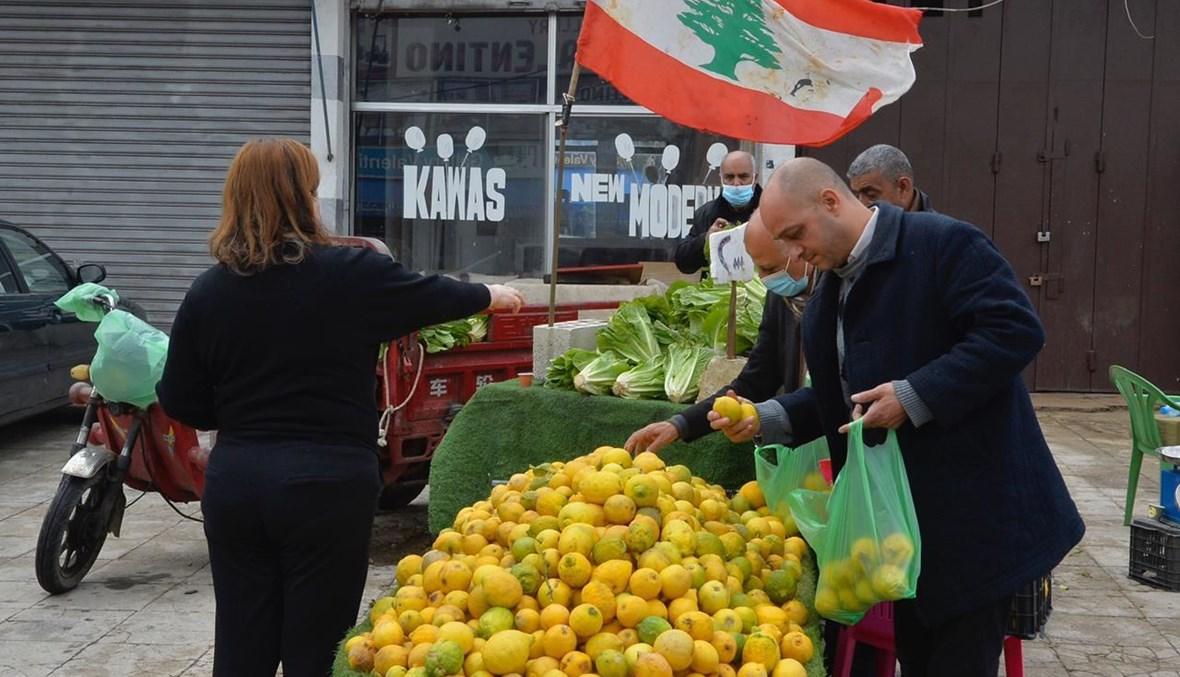
The recent visit of a Saudi delegation to Lebanon has sparked renewed hope for Lebanese farmers, signaling the potential resumption of agricultural exports to the Kingdom after years of suspension. Reports suggest a positive momentum in negotiations, which could help Lebanon reconnect its farming sector with key Gulf markets within weeks.
In an exclusive interview with Enmaeya, Minister of Agriculture Nizar Hani said, “the Saudi authorities are confident in Lebanon’s ability to monitor goods at all border points, ensuring that agricultural products meet safety standards”.
“The main requirement is that Lebanese exports must be free from any damage or violations that could jeopardize their access to the Saudi market,” Hani explained.
He added that Lebanon now has a robust system in place at airports, ports, and land crossings, which has strengthened Saudi confidence in the country’s export management.
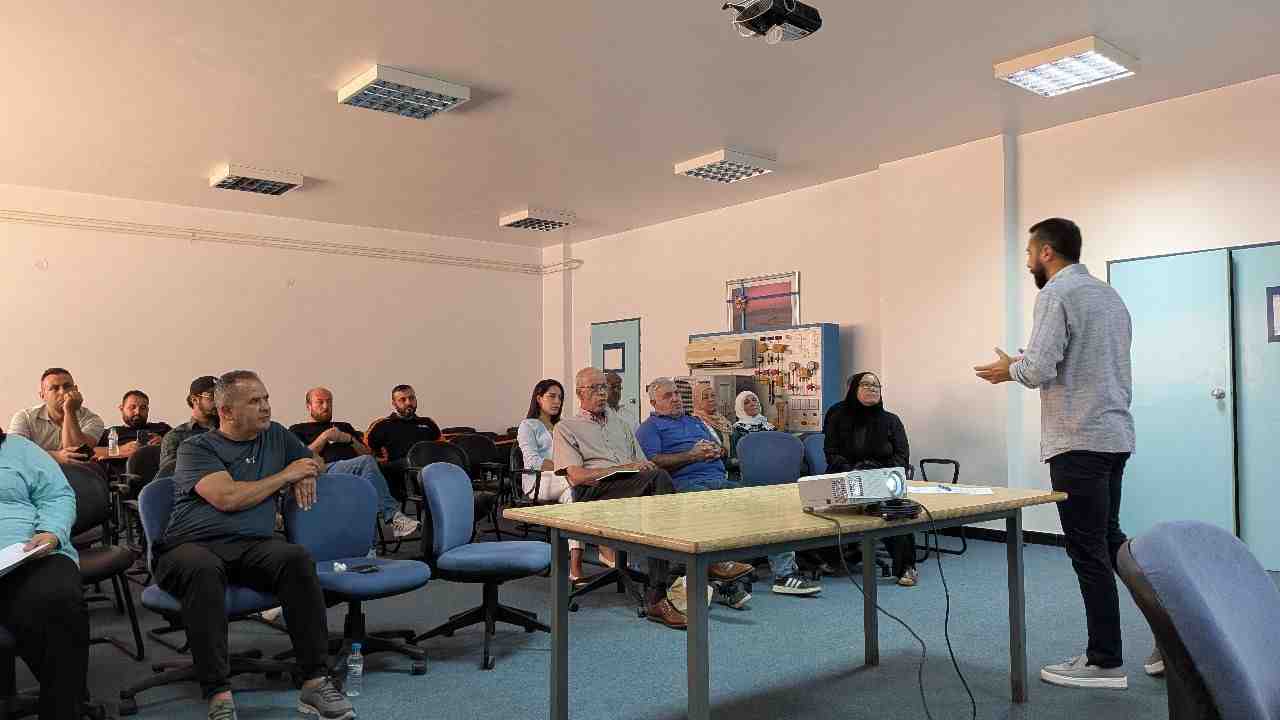
The minister also highlighted the ministry’s extensive training programs for farmers, which have benefited around 10,000 participants.
These programs include workshops on improving productivity, using pesticides and fertilizers effectively, and reopening agricultural laboratories to support quality control.
Lebanon currently exports around 45% of its crops to Gulf countries, with Saudi Arabia accounting for 15% of that total. Hani noted that export volumes once reached 800,000 tons in 2014 and 2015, but have since declined to approximately 300,000 tons, largely due to challenges in maritime transport.
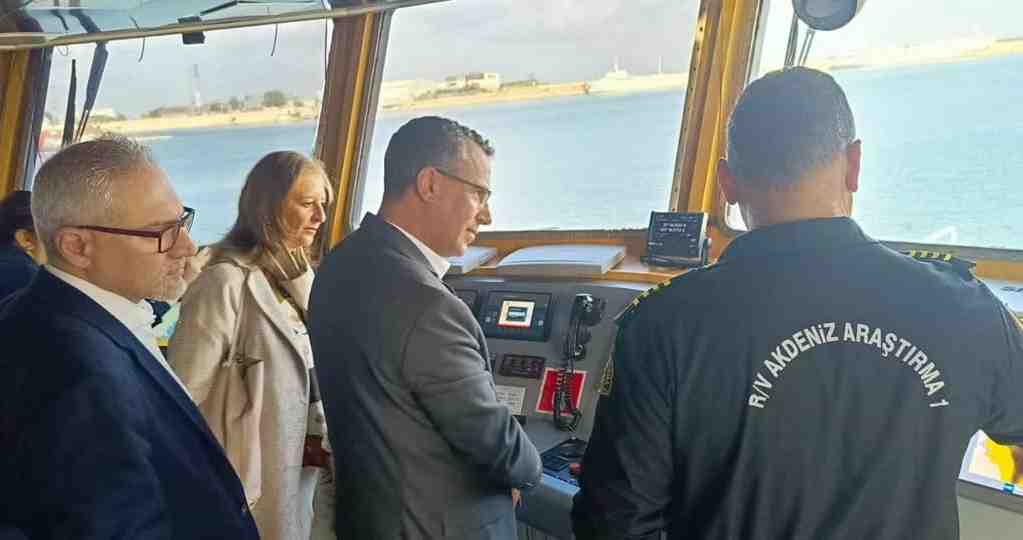
Land routes through Saudi Arabia are now seen as more efficient, with produce reaching markets in 7 to 10 days compared to 30–35 days by sea, ensuring better quality of fruits and vegetables.
The ministry is also working to strengthen farmers’ resilience against climate change and production challenges. Initiatives include agricultural guidance programs, improved infrastructure, rainwater collection systems, updated irrigation methods, and the use of mechanization and artificial intelligence in farming and greenhouses.
Funding is partially secured through a $200 million World Bank program, along with $120–130 million in grants from other sources to support the agricultural sector.
Hani said that the ministry is preparing an investment strategy and an upcoming conference to attract hundreds of Lebanese and Arab investors to further develop the sector and reinforce its role in the national economy.
With these initiatives underway, the crucial question is whether Lebanon can fully regain its agricultural foothold in Gulf markets and restore the export levels lost over the past years.