


WORLD (Enmaeya News) - December 8, 2025
A widely used artificial sweetener and everyday household products are unlikely to raise cancer risk for most people, experts say, despite recent international warnings that sparked consumer concern.
Last summer, the International Agency for Research on Cancer classified aspartame, found in diet drinks, gum, yogurt, and ice cream, as “possibly carcinogenic,” though evidence of harm at normal consumption levels remains limited.
Timothy Rebbeck, professor of cancer prevention at Harvard-affiliated Dana-Farber Cancer Institute, told Harvard Health Publishing that the announcement caused unnecessary alarm.
“There’s not much meaningful evidence that aspartame confers cancer risk at all,” he said. “Most consumer products people are exposed to confer very low cancer risks, if any.”
According to Harvard Health Publishing, other household items sometimes linked to cancer risks include nonstick cookware, mattresses with flame retardants, cleaning products, and certain personal care items. Nonstick cookware contains PFAS chemicals, which some studies suggest may be associated with cancer, but typical use does not appear harmful.
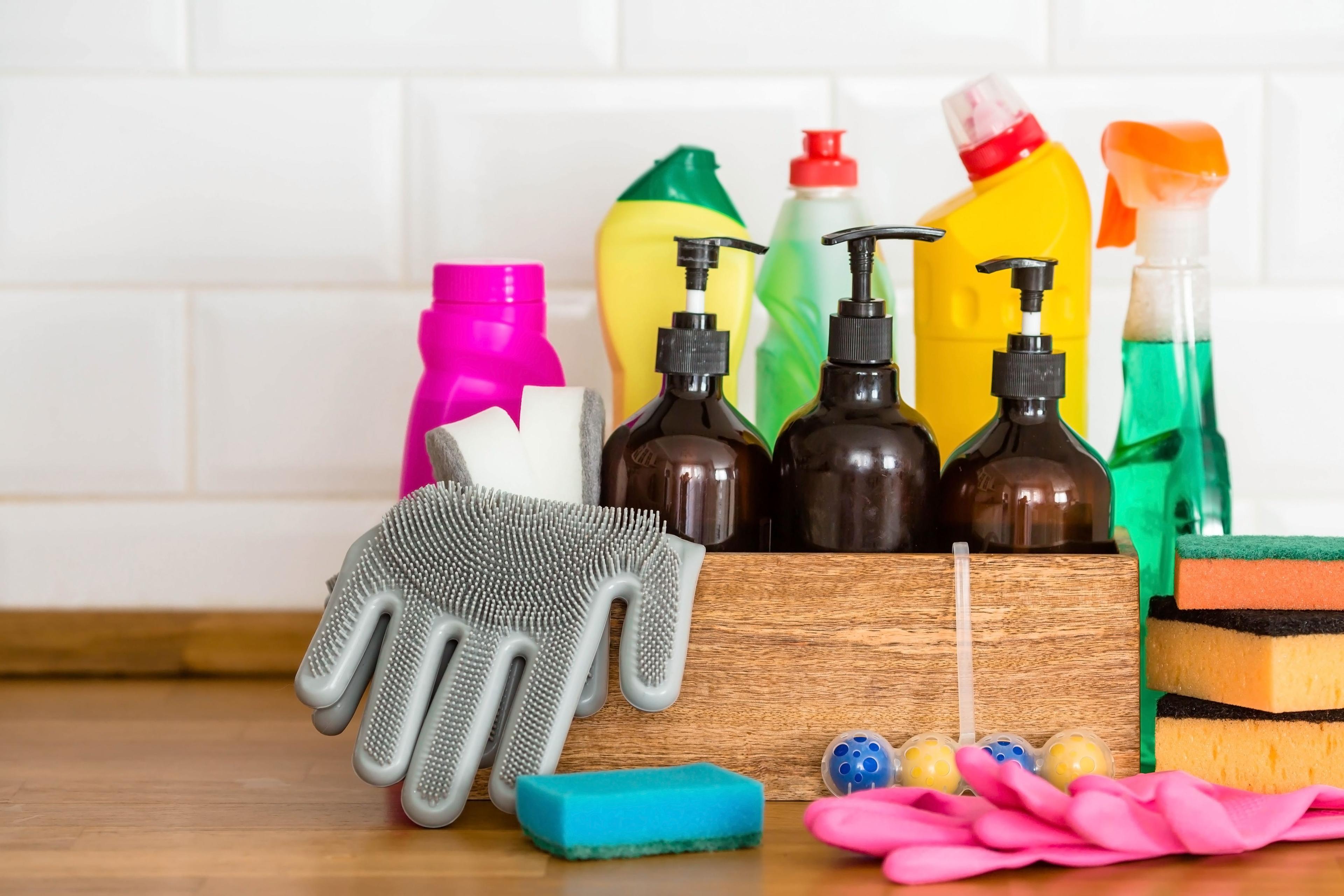
Flame retardants in mattresses release volatile organic compounds (VOCs), with research indicating only minimal potential risk. Cleaning products containing endocrine-disrupting chemicals or VOCs like benzene and formaldehyde have been studied for links to breast, ovarian, skin, and uterine cancers, though everyday exposures are low.
Personal care products such as hair dyes, cosmetics, and chemical relaxers have also been examined. High-frequency occupational exposure, like hair stylists handling large volumes of relaxers, can increase risk.
A 2023 National Institutes of Health study found women using hair-straightening chemicals more than four times per year were twice as likely to develop uterine cancer. However, casual consumer use is generally considered low-risk.
Rebbeck stressed that modern products contain lower levels of potentially harmful chemicals than in previous decades. “Your past exposure may still matter, but everyday use today is much safer,” he said.
Experts advise focusing on proven prevention strategies, including avoiding smoking, limiting alcohol, maintaining a healthy weight, and regular exercise.
They also urge consumers to rely on reputable sources for information, such as the Harvard T.H. Chan School of Public Health, the American Cancer Society, and the National Cancer Institute.
“There’s a lot of misinformation out there,” Rebbeck said. “Following evidence-based guidance is the best way to reduce cancer risks and make informed choices.”