



LEBANON (Enmaeya Feature) - December 10, 2025
As the world marks Human Rights Day on December 10th, the digital activism of Lebanon’s youth highlights how online spaces are reshaping the fight for freedom, equality, and protection from abuse.
On February 15, 2020, Lebanese women flooded Twitter with stories of sexual harassment, assault, and abuse, turning the platform into a digital stage for voices that had long been silenced.
It all began when one woman courageously exposed a harasser, sparking a wave of testimonies from women, and even men. across the country. Within hours, lawyers and activists mobilized online to provide legal guidance and support to victims, demonstrating how social media could serve as both a shield and a megaphone for those demanding justice.
This exemplified how Lebanese youth are not just passive users of technology but active agents of social change, leveraging digital tools to fight for human rights and challenge injustices.
Youth Activism in Action
Lebanese youth have repeatedly shown that social media can be more than a platform for expression; it can catalyze tangible change. The 2020 Twitter movement against sexual harassment, for example, not only exposed abusers but also triggered legal assistance for victims, demonstrating how online activism can catalyze tangible, real-world impact.
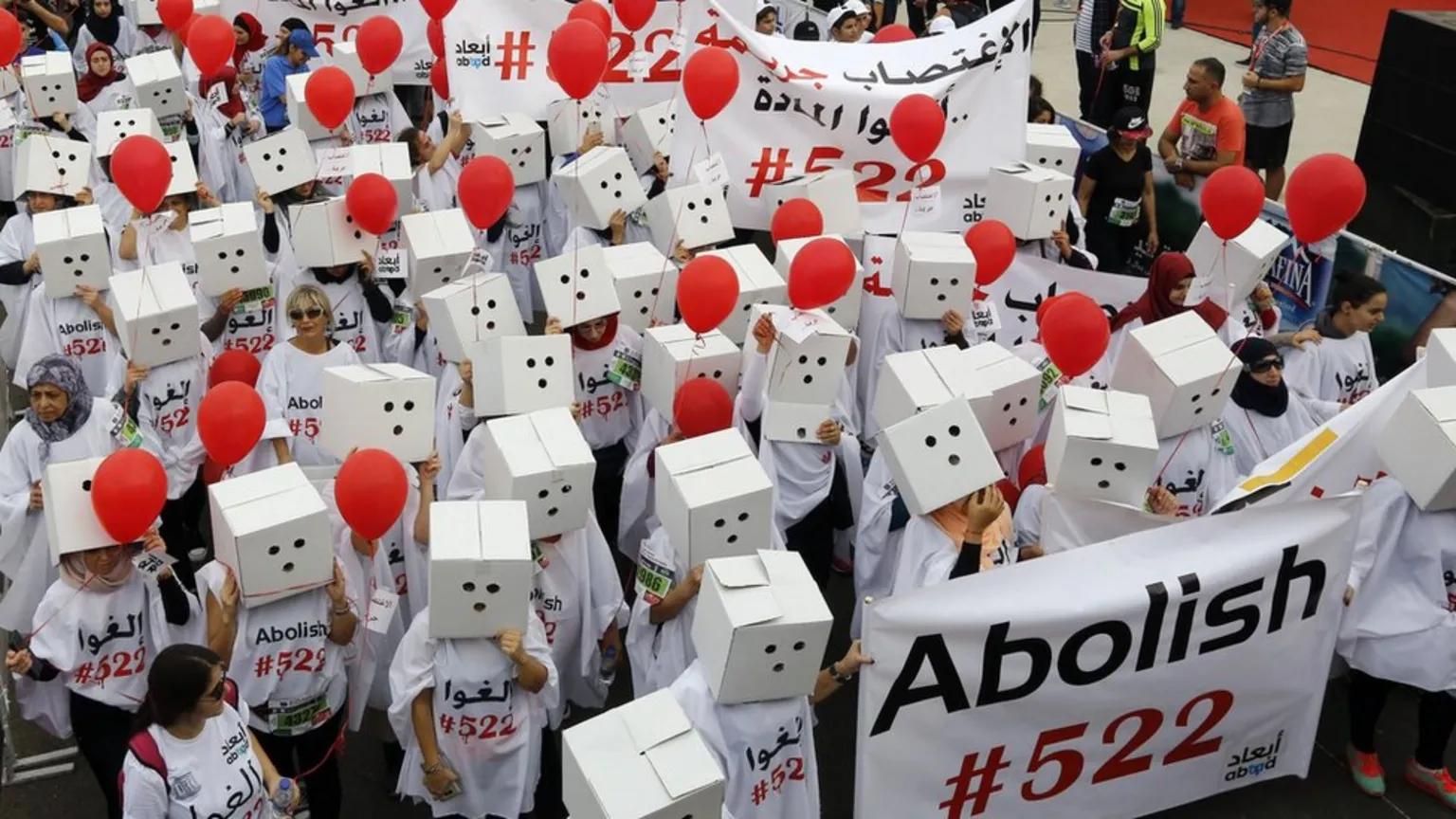
A similar impact was seen in the campaign to repeal Article 522 of the Lebanese Penal Code, which had allowed rapists to escape prosecution by marrying their victims. Young activists leveraged hashtags like #Undress522 to share testimonies and educational content, framing the law as a human rights violation.
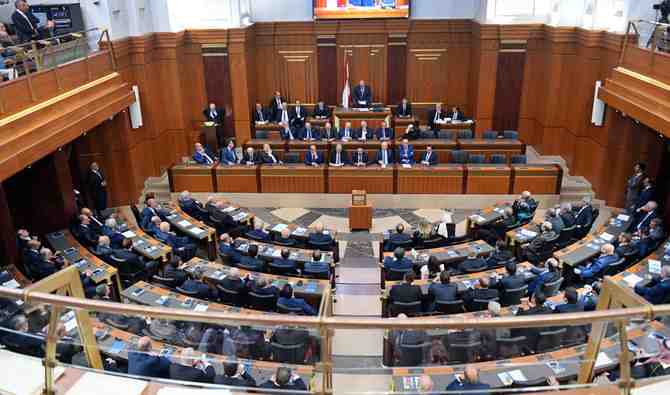
The sustained online pressure spilled into public protests and advocacy, culminating in Parliament abolishing the article in 2017, a rare instance where online activism directly influenced legislation.
These examples illustrate how Lebanese youth are not passive users of social media but active agents of change, using digital tools to expose injustice, organize communities, and translate online engagement into meaningful, real-world outcomes.
By combining speed, reach, and interactivity, social media has become a critical tool for Lebanese youth seeking to hold power to account and promote human rights.
Securing Online Spaces
While social media has opened new spaces for human rights advocacy in Lebanon, it has also exposed young activists to serious challenges. Online harassment, trolling, and cyberbullying remain among the most common risks faced by those who speak out, particularly on sensitive issues such as sexual harassment, gender equality, and accountability.
Activists, many of them young women, frequently report receiving threats, hateful messages, and attempts to discredit or silence them. In some cases, digital attacks escalate into coordinated harassment campaigns that discourage victims and advocates from continuing to speak publicly.
"Our digital safety helpdesk offers support to individuals who face cyber violence, especially journalists and human rights activists, who often face censorship, hate speech, and doxxing," Zeinab Ismail, journalist and project lead at SMEX, told Enmaeya.
The lack of accountability for online harassment creates a climate of fear, forcing some to self-censor or withdraw from activism altogether.
“Technology companies have a duty to do more than host conversations; they must actively protect young users from hate speech, disinformation, and cyberattacks,” Ismail told Enmaeya.
“This requires open dialogue between tech companies, civil society organizations, and human rights activists to shape policies that safeguard users overall, and youth in particular,” Ismail added.
Ismail further underscored the government’s responsibility to ensure that technology companies’ policies and practices do not place profit above people, especially at-risk groups such as young human rights activists and women.
Promoting youth activism on social media necessitates establishing a framework where freedom of speech is upheld and protected by law.
“Some regulations, particularly those related to data privacy and access to information, remain outdated or nonexistent,” Ismail told Enmaeya. “The absence of clear legal frameworks governing social media has effectively turned digital platforms into gray zones, where violations can occur with limited accountability.”
As Lebanese youth continue to harness digital platforms to fight for justice, their efforts remind us that defending human rights is both a personal and collective responsibility, online and offline. On this Human Rights Day, their voices signal hope for a more just and accountable Lebanon.