LEBANON (Enmaeya News) - December 11, 2025
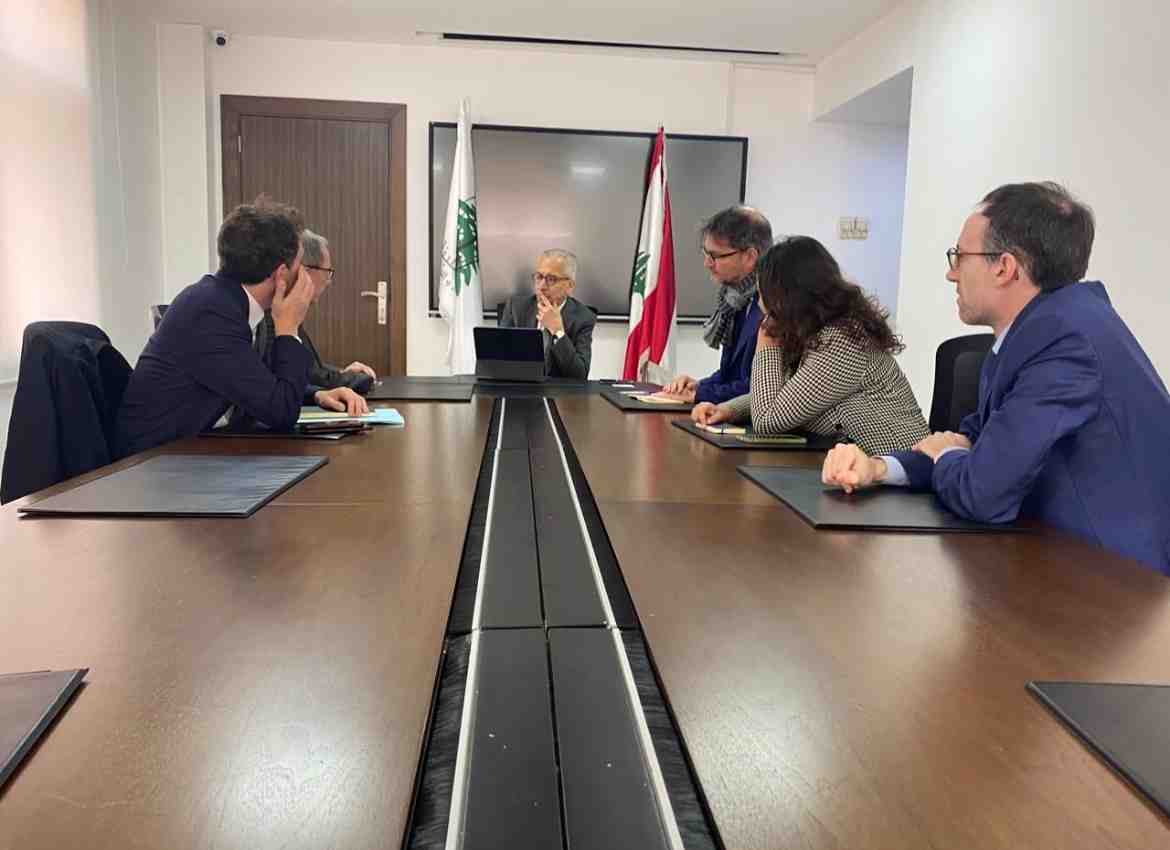
Lebanon’s Economy Minister, Amer Al-Bessat, said in an interview with "Hewar Al-Saray" on Télé Liban that the government's primary goal is to transform Lebanon’s economy from a rent-based model reliant on consumption and imports into a productive, investment-driven economy capable of competing internationally.
He noted that 85% of Lebanese consumption is imported, while annual exports total just $3 billion, underscoring the need for a fundamental structural shift.
The minister highlighted the need to move from unproductive debt-driven growth to an economy based on real investment, strong governance, and transparency.
Economic justice, including addressing regional and gender disparities, is central to the plan, ensuring the entire population benefits from anticipated growth.
The minister said Lebanon has the human capital, natural resources, strategic location, and expatriate potential to achieve this vision, but progress requires serious reforms across all sectors, including electricity, telecommunications, infrastructure, institutions, and reconstruction.
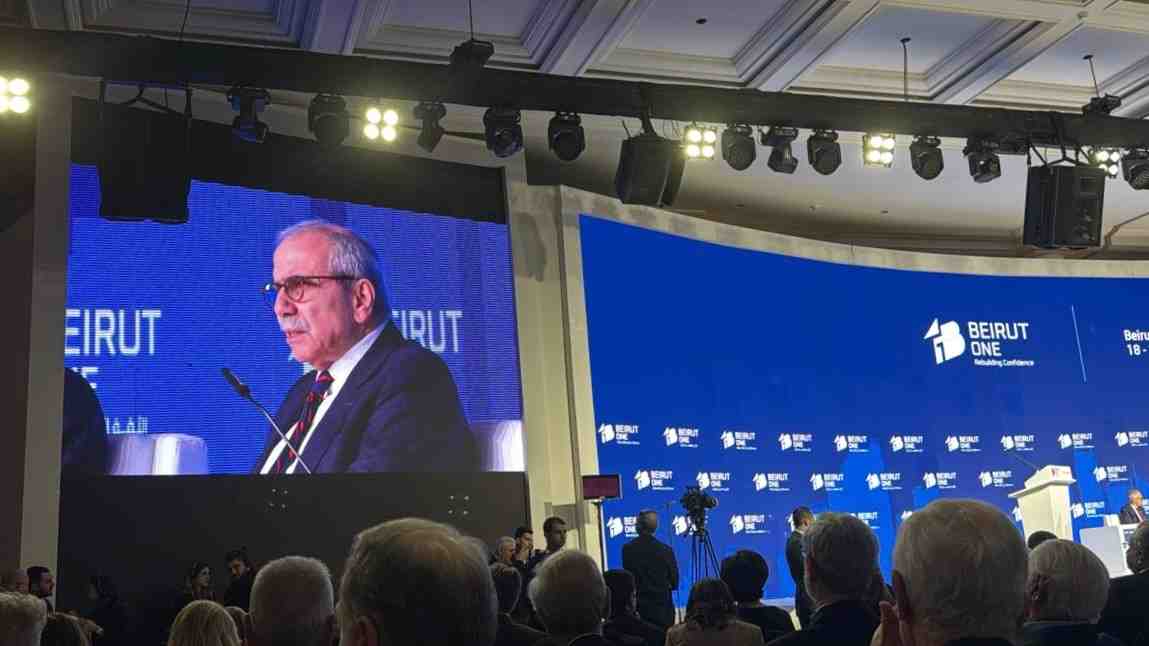
Regarding the Beirut-1 investment conference, Minister Al-Bassat described it as successful in breaking Lebanon’s economic isolation, attracting around 150 investors from Arab countries. He said the government will follow up with preparatory conferences ahead of Beirut-2 in 2026, linked to the implementation of reforms.
On the financial gap law being developed with the IMF, the minister said the focus is on reviving the banking sector and providing fair solutions for depositors, with gradual repayment and safeguards for banks. He stressed Lebanon seeks an agreement with the IMF aligned with national interests, noting that trust can only be restored through genuine, transparent reforms.
Minister Al-Bassat also underlined the importance of restructuring the insurance sector, supporting small and medium-sized enterprises, updating trade agreements, joining the World Trade Organization, enhancing price transparency to combat monopolies, and securing new wheat storage facilities as part of Lebanon’s food security strategy.