



BEIRUT (Enmaeya Feature) - December 16, 2025
Lebanon’s teenagers are navigating a complex world of screens, stress, and social pressures -challenges aggravated by the country’s ongoing crises. On December 16, the government launched the "National Adolescents Health Campaign: Health Trend", a campaign designed to give young people the tools to thrive despite these obstacles.
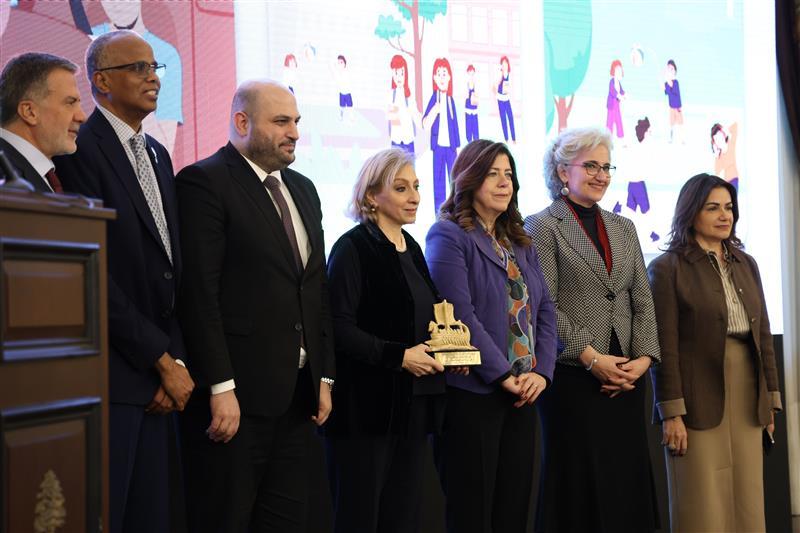
The campaign was launched under the patronage of Prime Minister Nawaf Salam, First Lady of the Prime Minister, and led by Ambassador Sahar Baassiri during a vibrant ceremony at the Government Palace in Beirut.
The event brought together Minister of Public Health Dr. Rakan Nasser Al-Din, Minister of Education and Higher Education Dr. Rima Karami, Minister of Youth and Sports Dr. Noura Bayraqadarian, Minister of Social Affairs Haneen Al-Sayyed, MP Inaya Ezzedine, and the WHO representative in Lebanon Dr. Abdel Nasser Abu Bakr.
Youth groups, scouts, community partners, and other key government officials were also present, creating a dynamic gathering focused on adolescent health.
Developed jointly by the Ministries of Public Health, Education, and Youth and Sports, with technical support from the World Health Organization, the campaign addresses growing health risks for adolescents aged 10–19 in Lebanon.
Alarming Trends
During the launch, a presentation highlighted alarming trends from the 2024 Global School Health Survey, including road safety risks, excessive screen time, sleep deprivation, rising mental health concerns, poor nutrition, low physical activity, and early exposure to tobacco, alcohol, and drugs.
A survey also painted a striking picture of Lebanese adolescents’ daily habits, highlighting areas that urgently require intervention.
Nutrition and physical activity emerged as key concerns: 36 percent of teens were overweight or obese, half ate fruits or vegetables less than once a day, 80% did not engage in daily physical activity, and 63 percent spent more than three hours seated each day.
The findings also shed light on risky behaviors, including tobacco, alcohol, and substance use. Nearly 29% of adolescents reported currently smoking,16% cigarettes, and 24% e-cigarettes, while 62% had tried their first cigarette before the age of 14.
Alcohol use was reported by 11%, with 42% of those drinking two or more alcoholic beverages daily, and 65% having tried alcohol before turning 14.
Drug use data revealed that 3% had used cannabis, another 3% had tried amphetamines, 25 percent used prescription psychiatric medications without a doctor’s guidance, 17% had taken sedatives or sleeping pills, and an alarming 79% had experimented with drugs before the age of 14.
During the launch event, a video on road safety set the stage for a technical presentation from representatives of the three ministries leading the campaign. Each ministry shared both current programs and plans aimed at supporting adolescents’ health and well-being.
Notably, 19% of adolescents reported frequent loneliness, 27% felt stressed or anxious regularly, and over 7,000 students use public transport daily, illustrating both challenges and opportunities for targeted interventions.
A National Strategy
Government officials framed the campaign as a starting point for coordinated reform across schools, health services, and public policy.
Minister Rima Karami stressed that protecting adolescents begins with listening to their voices, describing the campaign as a clear commitment by the Ministry of Education to sustain this effort and build on it in the years ahead.
She underscored the need for a prevention-first approach rooted in schools, emphasizing that mental health awareness must become an integral part of the education system, not an afterthought.
Ambassador Baassiri emphasized the importance of prioritizing adolescent health, addressing over 900,000 Lebanese teens, and encouraged them to make daily choices that protect their physical, mental, and social well-being.
She highlighted the need to use technology wisely, reminding teens that real life extends beyond screens and social media, urging them to “be good, be the healthy trend.”
Minister Nasser Al-Din reinforced the economic and social benefits of investing in adolescent health, noting that for every dollar spent, the returns could exceed tenfold through improved physical, mental, and reproductive health, alongside better educational outcomes.
He emphasized that the campaign is more than a media initiative; it is a national reform effort, anchored in scientific evidence and strengthened through multisector collaboration, including the establishment of a national committee to implement Lebanon’s adolescent health strategy.
The minister also said that the Ministry of Public Health has established a national, multi-sectoral committee that brings together representatives from various ministries and relevant authorities.
The committee is tasked with developing Lebanon’s National Adolescent Health Strategy, guided by the AA-HA global framework, an international evidence-based approach designed to improve the health and well-being of adolescents aged 10 to 19.
The strategy aims to expand opportunities for healthy living and reduce risks, while adapting interventions to Lebanon’s unique national context and needs.
Minister Nasser Al-Din concluded by emphasizing the campaign’s broader significance: “Let this initiative mark the beginning of a collective commitment to protect our sons and daughters, ensuring them a safe and supportive school and community environment.”
The initiative marks a significant step in promoting a healthier, safer, and more resilient generation of Lebanese youth, combining awareness, education, and actionable guidance across schools, communities, and digital platforms.