



LEBANON (Enmaeya News) – December 22, 2025
In response to the ongoing foot-and-mouth disease (FMD) outbreak in Lebanon, the Ministry of Agriculture has activated an extensive emergency response plan to contain the highly contagious livestock disease.
The plan, coordinated with national and international partners, aims to curb transmission, support affected farmers, and protect the country’s agricultural sector.
The emergency plan comes after the first confirmed FMD case in Lebanon was recorded on November 27, 2025, in the Bekaa Governorate.
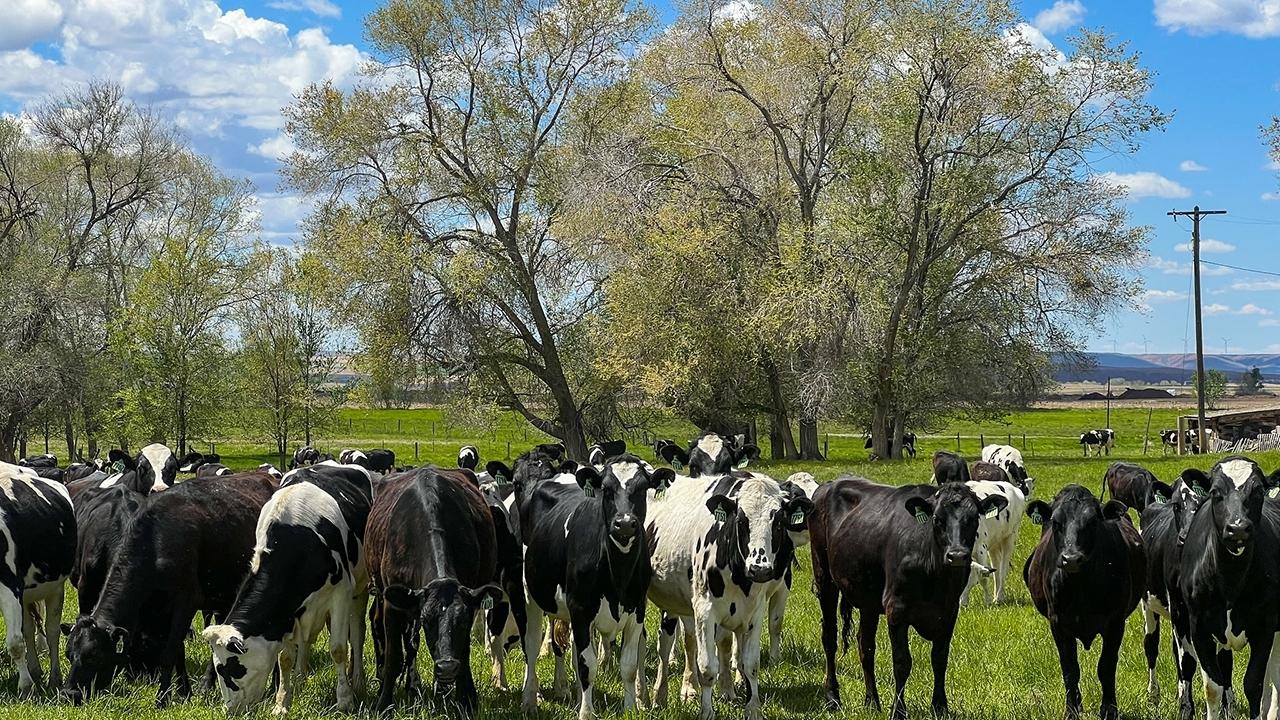
Since then, a total of 10,932 infected cattle have been reported, primarily in the Bekaa and Baalbek-Hermel governorates, according to the ministry's weekly reports.
Key measures include reporting the outbreak to the World Organization for Animal Health (OIE) via the WAHIS system, holding emergency coordination meetings, and restricting livestock movement in collaboration with the Internal Security Forces.
Field inspections and laboratory sample collection are ongoing, while veterinary emergency services have been strengthened through mobile rapid-response teams.
To prevent further spread, Lebanon has secured 130,000 doses of FMD vaccines, including 50,000 from Egypt’s Ministry of Agriculture, 30,000 from WOAH, and additional supplies from private companies. Preventive vaccination campaigns are currently underway in affected and high-risk areas.
The Ministry has also launched livelihood support measures, providing financial and in-kind assistance totaling $75,000 to farmers through partner organizations, including FAO, Plan International Lebanon, and SOS Children’s Village.
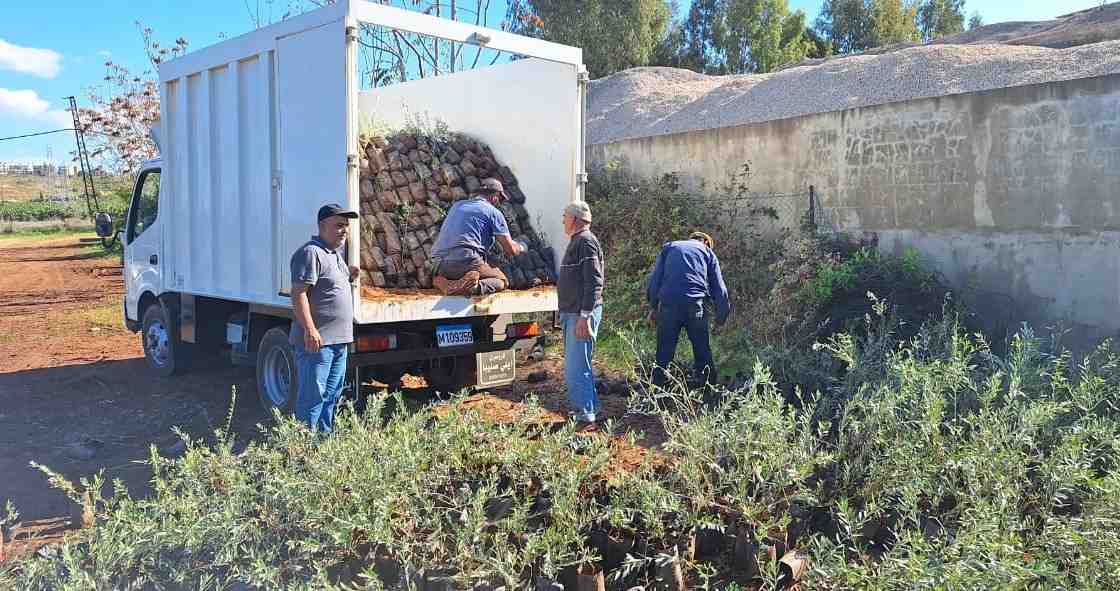
In addition, 180 tons of animal feed have been distributed to 180 farms to mitigate production losses and support farmers during the crisis.
The suspected circulating strain, SAT1, is known for its rapid transmission within herds and significant economic impact on livestock production.
The outbreak has already led to reduced milk production, loss of appetite among infected cattle, mouth and hoof lesions, and the death of some young calves. Farmers across the affected regions are facing substantial economic losses.
Officials emphasized that continued surveillance, early warning systems, donor coordination, and regional cooperation are critical to preventing further spread.
The crisis highlights the importance of rapid response, biosecurity, and coordinated action to safeguard food security and rural livelihoods.