



Lebanon (Enmaeya News) – December 29, 2025
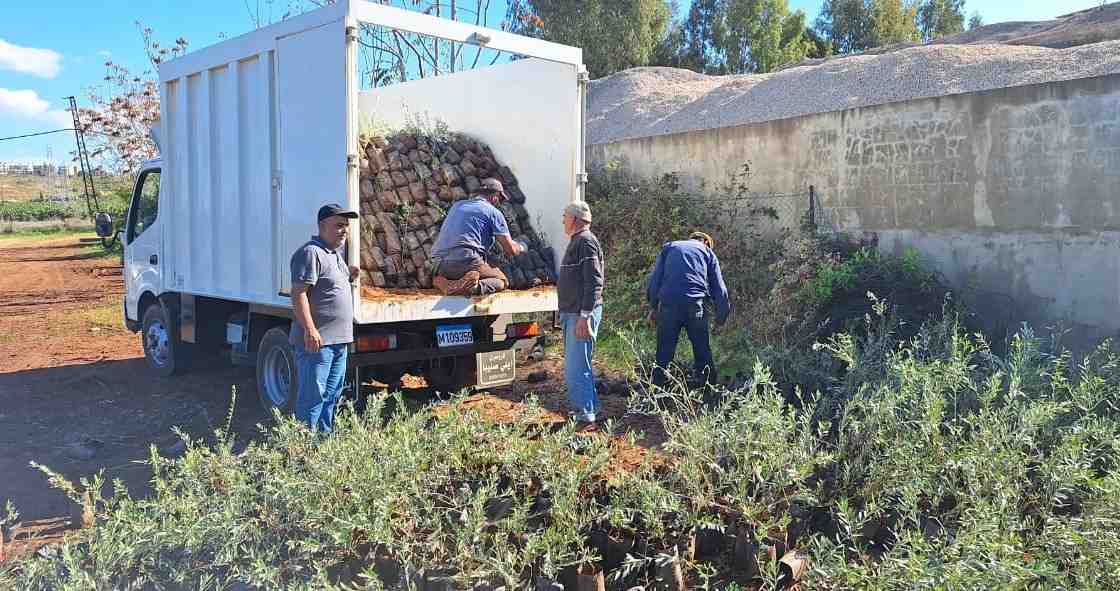
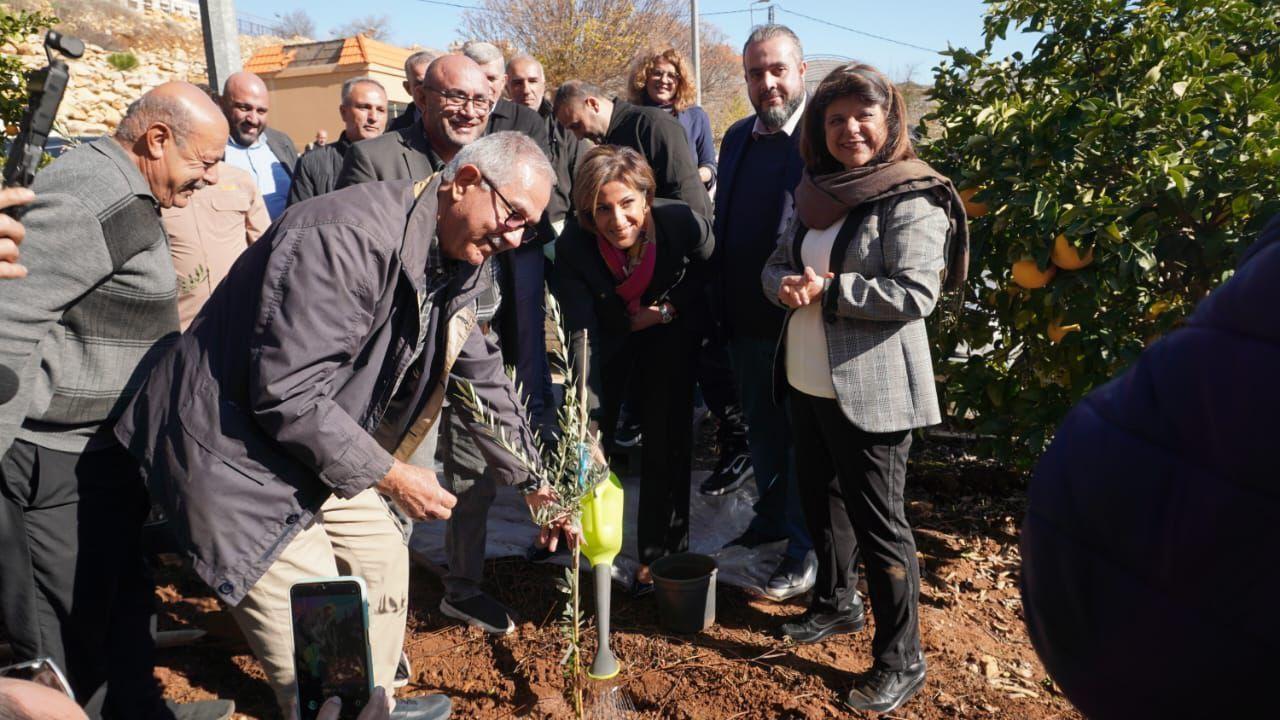
Ten thousand locally grown Sourani olive trees were distributed across frontline villages in southern Lebanon on Monday, as part of a land restoration effort aimed at helping communities recover from the environmental and economic damage left by recent hostilities.
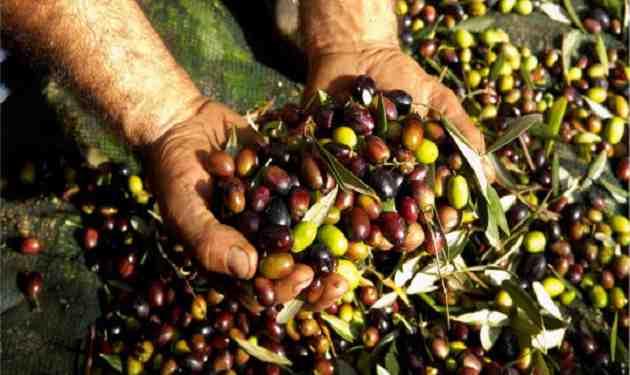
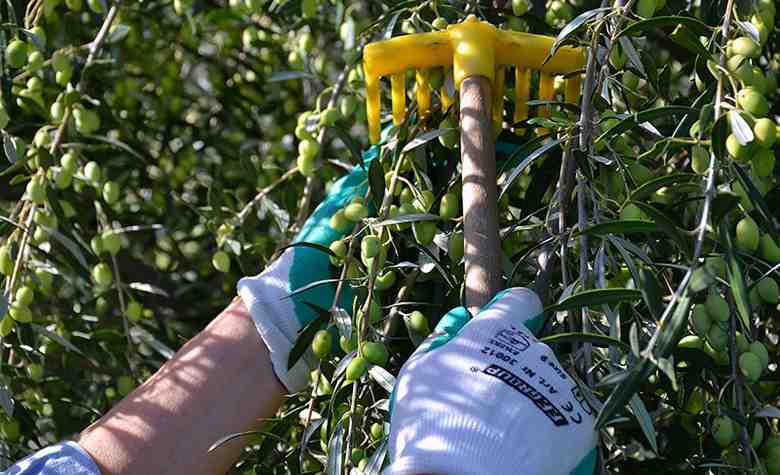
According to International Olive Council data, Lebanon’s olive oil output has steadily declined. Average production over the past five seasons has fallen to just over 20,000 tons. The south produces 38 per cent of Lebanon’s olives and around 5,000 tons of olive oil annually, nearly a fifth of the national output of 25,000 tons. In financial terms, insecurity threatens roughly $23 million in olive oil revenues, as Israeli warnings have kept farmers away from their fields for the past two years, paralyzing both domestic sales and export activity. White phosphorus bombs, in particular, are expected to have caused deep, lasting damage to the soil and ecosystems. By late August, 96 wildfires had destroyed more than 7.2 million square meters of forests, farmland, and olive groves. Over 60,000 olive trees and more than 5,000 other trees, including oak and more than 55 per cent of pine trees have been wiped out.
The initiative aimed to support environmental recovery efforts and reinforce local livelihoods in areas affected by recent hostilities, highlighting the role of agriculture in post-crisis recovery and land restoration.
The activity was held under the patronage of Minister of Environment Dr. Tamara Zein, who noted during the event that environmental and agriculture recovery are integral components of reconstruction and long-term community stability.
The initiative also carried symbolic and practical significance, contributing to land rehabilitation while supporting residents’ continued presence on their land and the protection of natural resources.
The activity was implemented in cooperation with the Arab Network for Food Sovereignty and the Arab Group for the Protection of Nature, with the participation of the Bint Jbeil, Jabal Amel, and Tyre municipal federations, as part of ongoing efforts to support environmental recovery in affected areas.