



UNITED ARAB EMIRATES (Enmaeya News) - December 30, 2025
Starting January 1, 2026, the UAE will implement several key regulations that not only affect daily life, business operations, and content creation but also support sustainable development and economic growth across multiple sectors.
1. Sugary Drink Tax
The Ministry of Finance will update excise tax rules for sugar-sweetened beverages, moving from a flat 50% tax to a tiered system based on sugar content.
Higher-sugar drinks will face higher taxes, while lower-sugar options are taxed at reduced rates. By promoting healthier consumption, the policy contributes to public health improvements, reducing healthcare burdens, and supporting long-term human capital development.
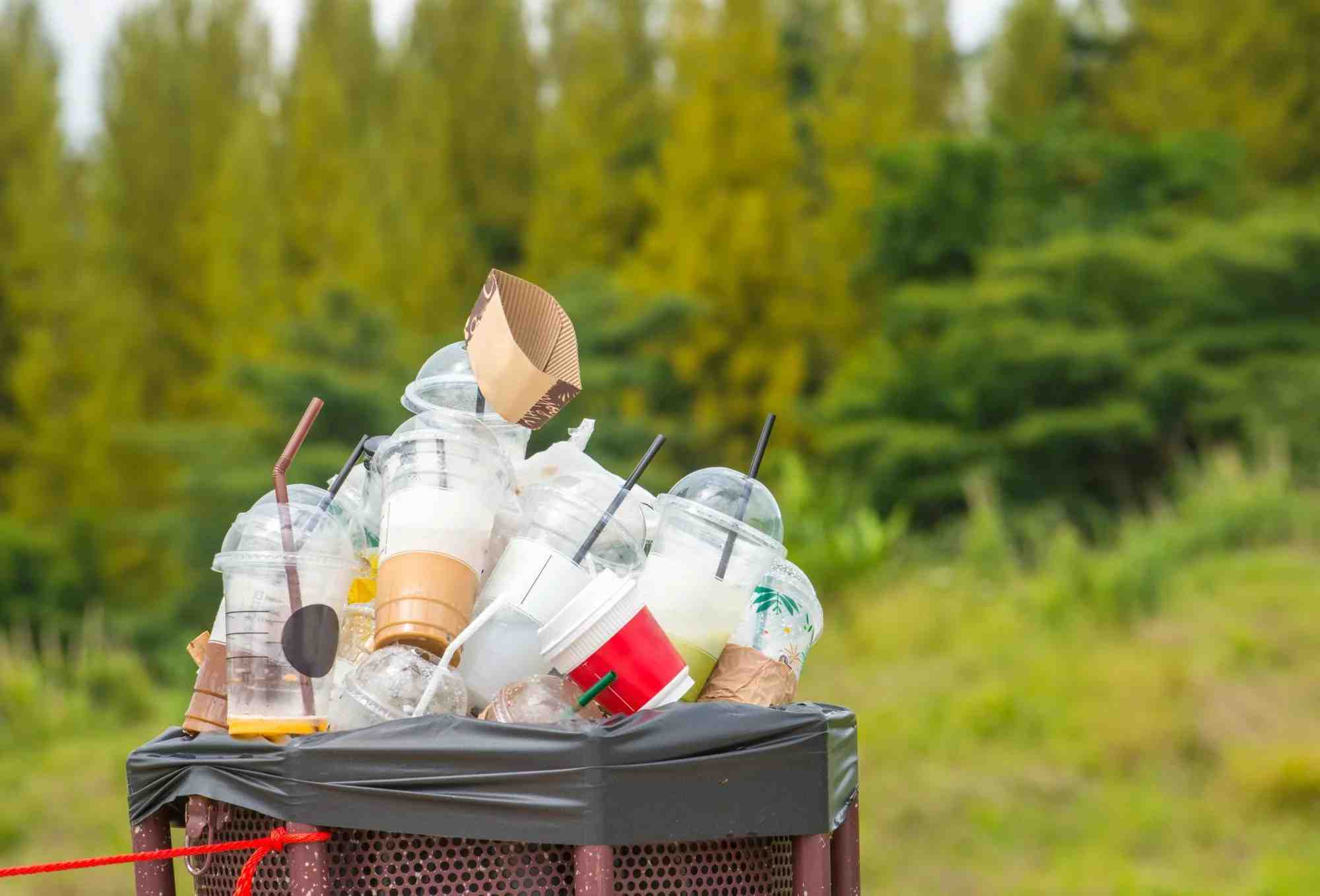
2. Ban on Single-Use Plastics
The UAE will enforce a nationwide ban on importing, producing, or trading single-use plastic items such as cups, lids, cutlery, food containers, and plates. This is part of a phased plastic reduction strategy and aligns with the UAE’s broader environmental goals.
Reducing plastic waste encourages sustainable urban planning, promotes eco-friendly industries, and attracts green investments, all of which contribute to economic resilience and environmental development.
3. Advertiser Licence for Content Creators
All social media content creators, influencers, and advertisers must obtain the UAE Media Council’s Advertiser (Mu’lin) Permit by January 31, 2026. The permit regulates the advertising sector, improves content quality, and strengthens the UAE’s position as a regional media hub.
By formalizing and supporting digital creators, the measure fosters innovation, drives growth in the creative economy, and contributes to the UAE’s broader economic diversification agenda, creating new opportunities for employment and entrepreneurship.
Impact on Development
Together, these measures demonstrate the UAE’s commitment to sustainable development, balancing economic growth with public health, environmental protection, and technological innovation.
They support long-term social and economic resilience while positioning the country as a global leader in regulatory innovation and sustainable policy frameworks.