WORLD (Enmaeya News) - December 31, 2025
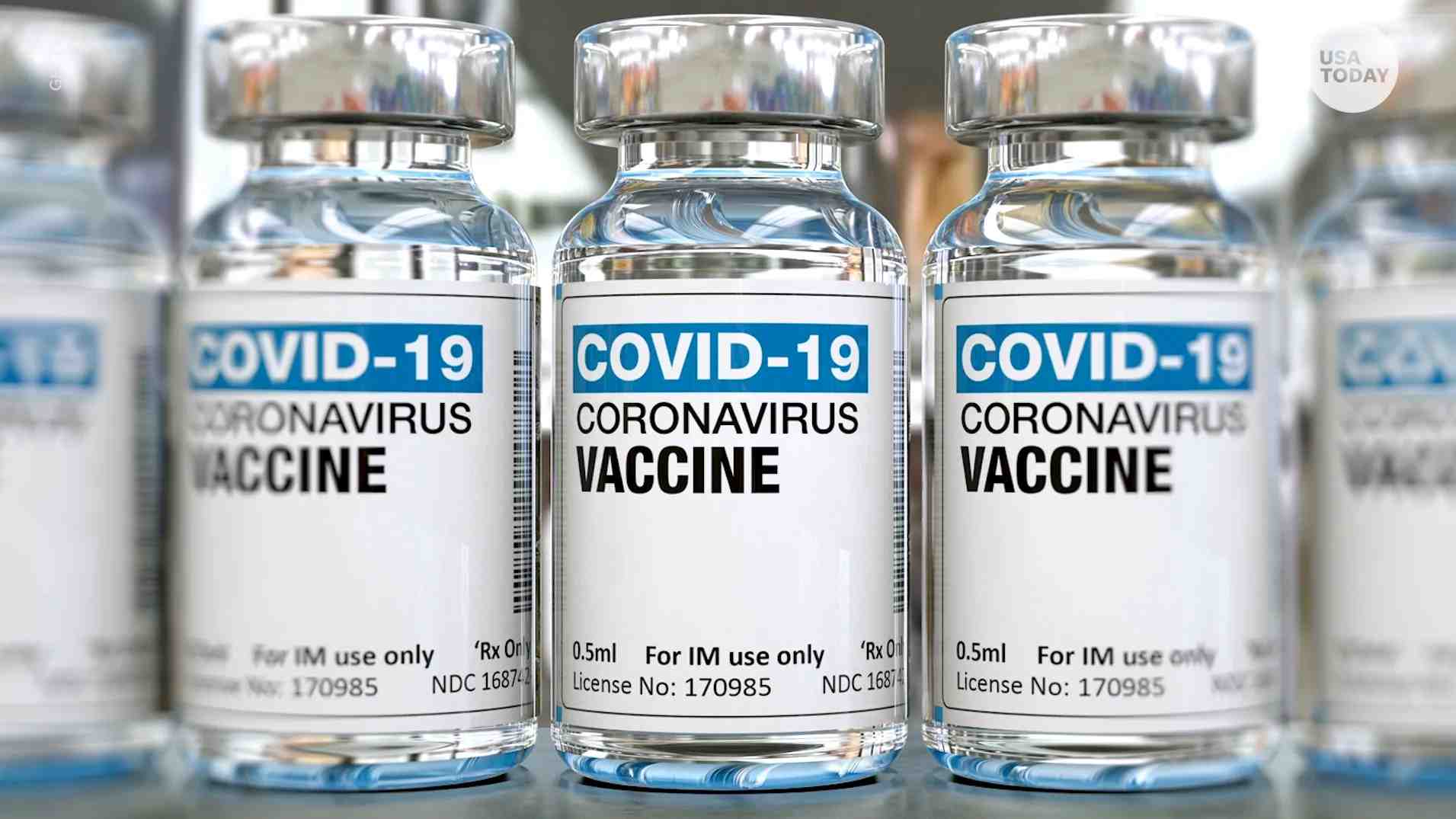
The World Health Organization (WHO) reported significant advances in global immunization in 2025, while warning that persistent inequities, misinformation, and funding pressures continue to threaten progress.
Kate O’Brien, Director of WHO’s Department of Immunization, Vaccines and Biologicals, said in a message that vaccines remain “one of the most effective public-health interventions,” protecting millions from life-threatening diseases.
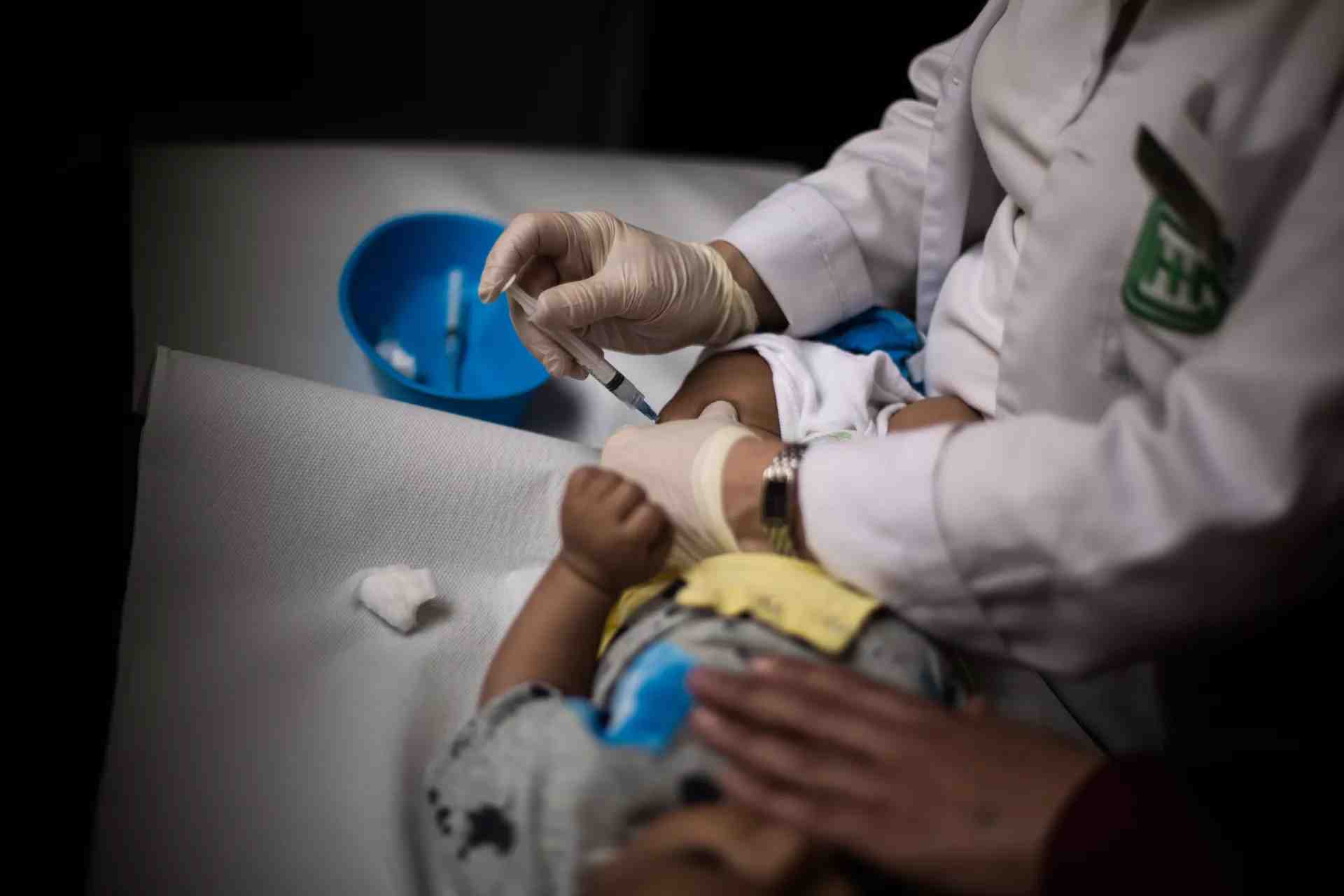
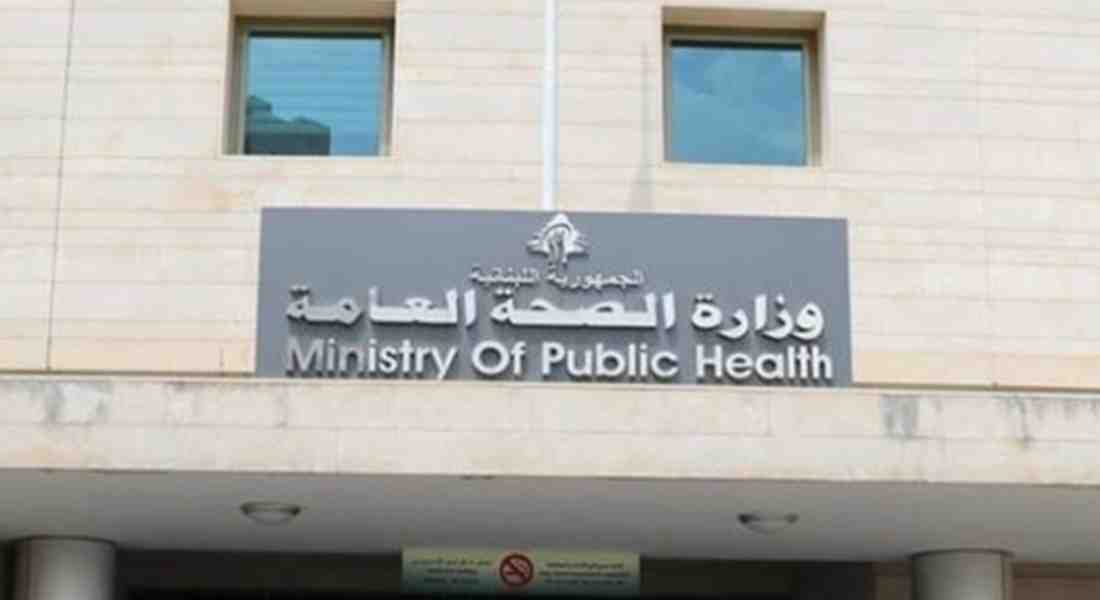
In 2025, Lebanon launched a national measles immunization campaign targeting 915,750 children aged 6 months to under 10 years, reflecting intensified efforts to close immunity gaps amid falling routine vaccine coverage reported in recent years, even as global vaccination progress continued to advance
WHO’s 2025 measles report highlighted an 88% drop in global measles deaths since 2000, though outbreaks in several regions exposed immunity gaps.
Notably, the Americas lost measles elimination verification for the second time after endemic transmission resumed in Canada.
Despite this, 96 countries, including Cabo Verde, Mauritius, and Seychelles, achieved verified measles elimination, demonstrating the impact of high coverage, surveillance, and political commitment.
Funding limitations mean many countries have not reached national scale-up targets, but manufacturers’ announced price reductions are expected to improve accessibility.
WHO emphasized vaccines as a complementary tool alongside case management, vector control, and chemoprevention.
Progress was also made against tuberculosis, meningitis, polio, yellow fever, and cervical cancer. WHO released guidelines for meningitis diagnosis and care, while HPV vaccination campaigns reached 86 million girls in Gavi countries, advancing the goal of cervical cancer elimination.
The mid-term review of the Immunization Agenda 2030 (IA2030) highlighted recovery since the pandemic but noted 14 million infants in 2024 and fragile coverage gains.
WHO called for intensified efforts to close immunity gaps, strengthen primary health care, and counter vaccine misinformation.
Looking ahead to 2026, WHO stressed the importance of collaboration, sustained investment, and equitable access to vaccines to protect children worldwide.