

LEBANON - Gen Z is often labeled as the generation too glued to screens to pick up a book. And the numbers seem to back it up: in 2025, only 18.7% of children and young people aged 8–18 said they read something daily in their free time, the lowest level in nearly two decades.
Yet across the globe, and increasingly in Lebanon, young people are proving that their love for stories and ideas isn’t disappearing: it’s evolving.
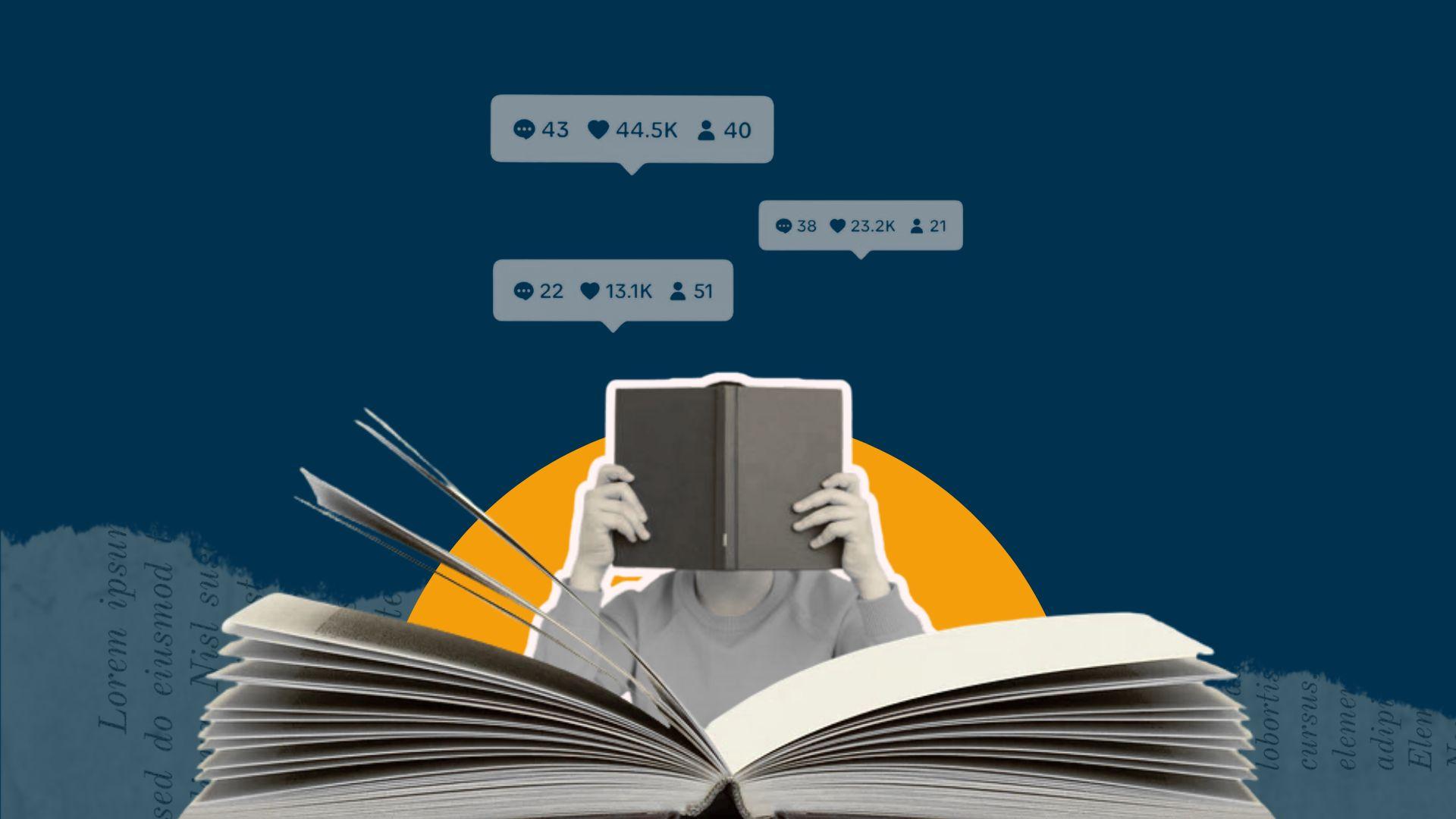
Social media, often blamed for short attention spans, has instead become a platform for book lovers to connect, review, and recommend titles.
From TikTok’s “#BookTok” to Instagram pages dedicated to literature, Lebanese youth are turning feeds into mini literary communities, inspiring thousands of peers to read, discuss, and even debate.
As Maya Ghamlouch, a Lebanese book influencer on Instagram known as @readbymaya, told Enmaeya: “There has been a noticeable renewed interest in reading, especially among Gen Z. With the pandemic in 2020 and the rise of TikTok, reading became ‘trendy’ again, but in a different way than before.”
While social media has helped make reading visible, social, and exciting again, particularly for younger audiences, it comes with its own set of challenges.
Ghamlouch points out that some trending books may not be suitable for all age groups, and the pressure to keep up with prolific influencers can make reading feel like a competition rather than an enjoyable experience.
"When used mindfully, social media can still support a healthy and meaningful reading culture, turning feeds into spaces for discovery, discussion, and shared enthusiasm for books," she said.
While the renewed interest in reading is clear, how young people engage with books is changing. Physical books remain cherished for their experience and the aesthetic pleasure of owning a copy.
Ebooks are increasingly popular among Lebanese youth, offering a practical solution where physical books can be costly or difficult to find.
They allow readers to access titles immediately, carry entire libraries on a single device, and enjoy reading in flexible settings. Yet, the digital format has its limits.
“Ebooks definitely help with accessibility, especially in places like Lebanon where physical books can be expensive or hard to find," Ghamlouch said.
"They make reading more immediate and affordable, but they don’t completely solve the issue. Not everyone has access to e-readers or prefers digital reading, so it’s more of a helpful alternative than a full solution,” she added.
Beyond formats, Lebanon’s reading culture itself is slowly evolving. Spaces like bookish cafés that hosts monthly book clubs, literary events, and sells book-themed merchandise, provide physical hubs for readers to meet and exchange ideas.
Meanwhile, social media groups are creating virtual spaces for discussion, with readers collectively picking books each month to read and debate.
The combination of social media and local initiatives reflects a shift: reading is no longer seen purely as a solitary or academic activity but as a social, emotional, and highly curated experience.
Book recommendations are often driven by mood and personal connection rather than plot alone, and social media’s influence is central to shaping these preferences.
Lebanon may not yet match the robust reading cultures of some countries, but its youth are finding ways to adapt, connect, and keep the love for books alive, whether through screens, coffee shops, or shared discussions.