BEIRUT — Beirut has long been a crossroads of art, culture, and creativity. Despite economic and political challenges, the city continues to nurture a vibrant cultural life, where resilience, experimentation, and community spirit thrive.
"Beirut’s cultural scene has become more fragile, and at the same time more inventive," Ibrahim Nehme, Director of Beirut Art Center, told Enmaeya, "Artists and cultural workers have had to adapt quickly, often working with fewer resources and less stability."
"People are engaging with culture more intentionally. Audiences are smaller but more invested, seeking dialogue, care, and shared reflection rather than passive consumption," Nehme added.
Enmaeya highlights the key cultural spots in Beirut, from hidden galleries to historic theaters, showcasing places where art and culture lovers can gather and that you can visit yourself.
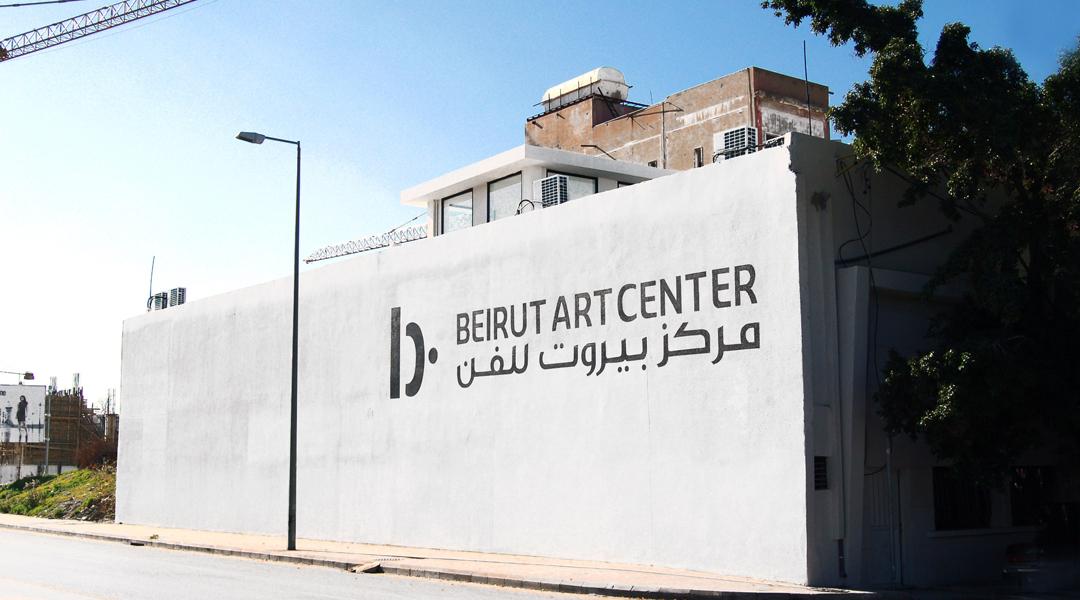
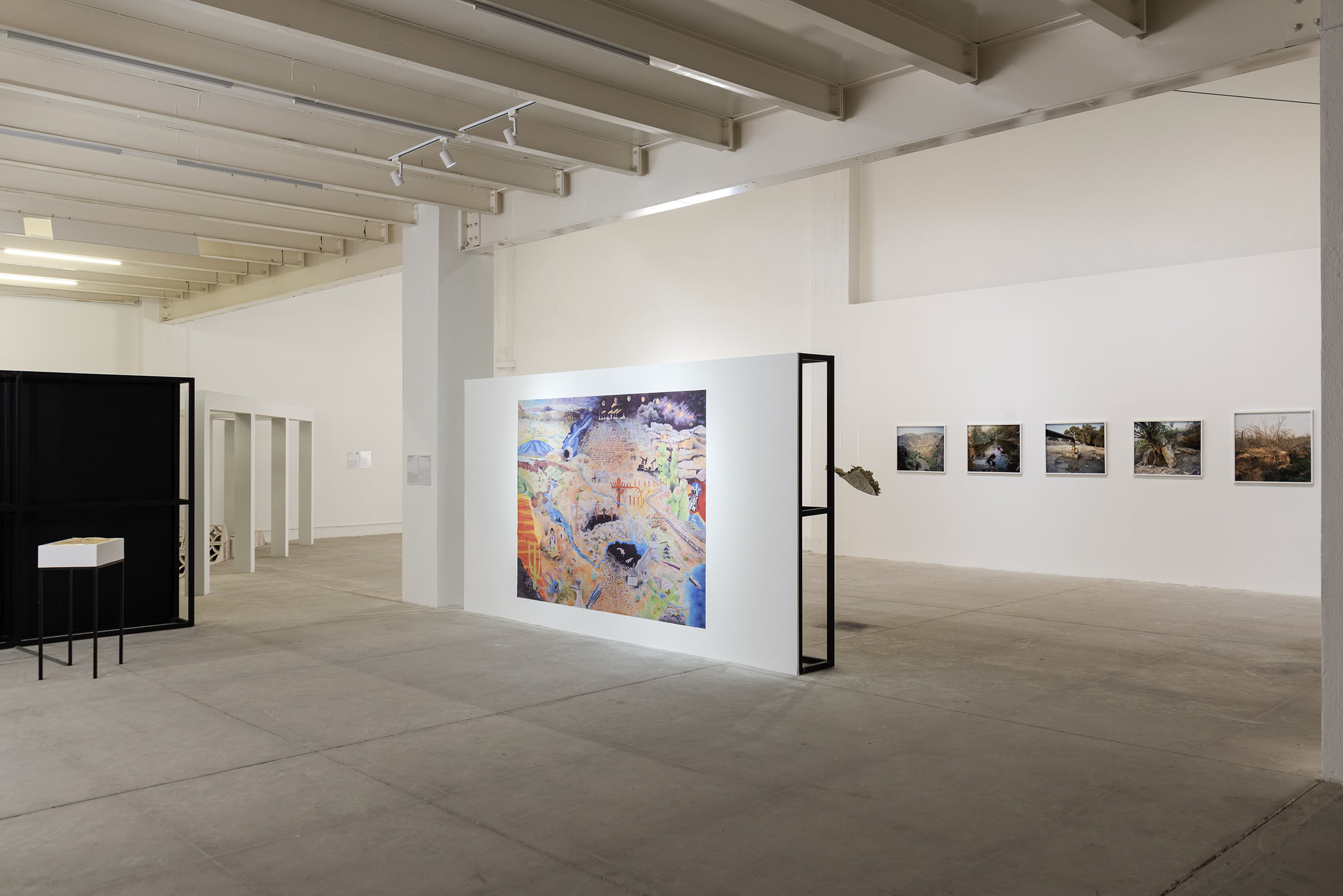
1. Beirut Art Center (BAC)
A cornerstone of Beirut’s contemporary art scene, BAC hosts exhibitions, workshops, and talks that span visual arts, performance, and experimental media.
It’s a hub for creative dialogue, collaboration, and testing new ideas, reflecting the city’s inventive cultural spirit.
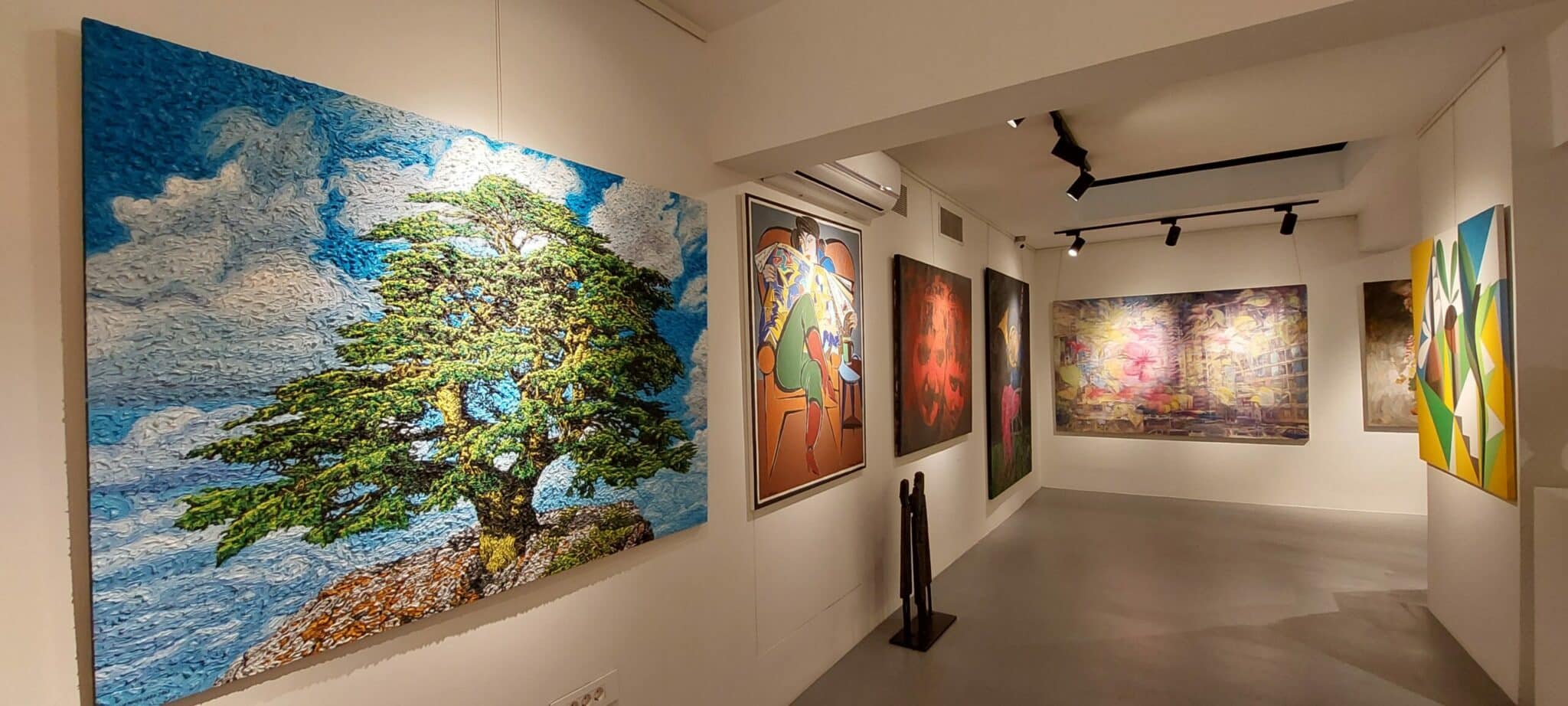
2. Art Scene Gallery
Located on Gouraud Street, this gallery showcases contemporary works from emerging and established Lebanese artists. Its focus on modern expression makes it a window into Beirut’s dynamic and evolving art market.
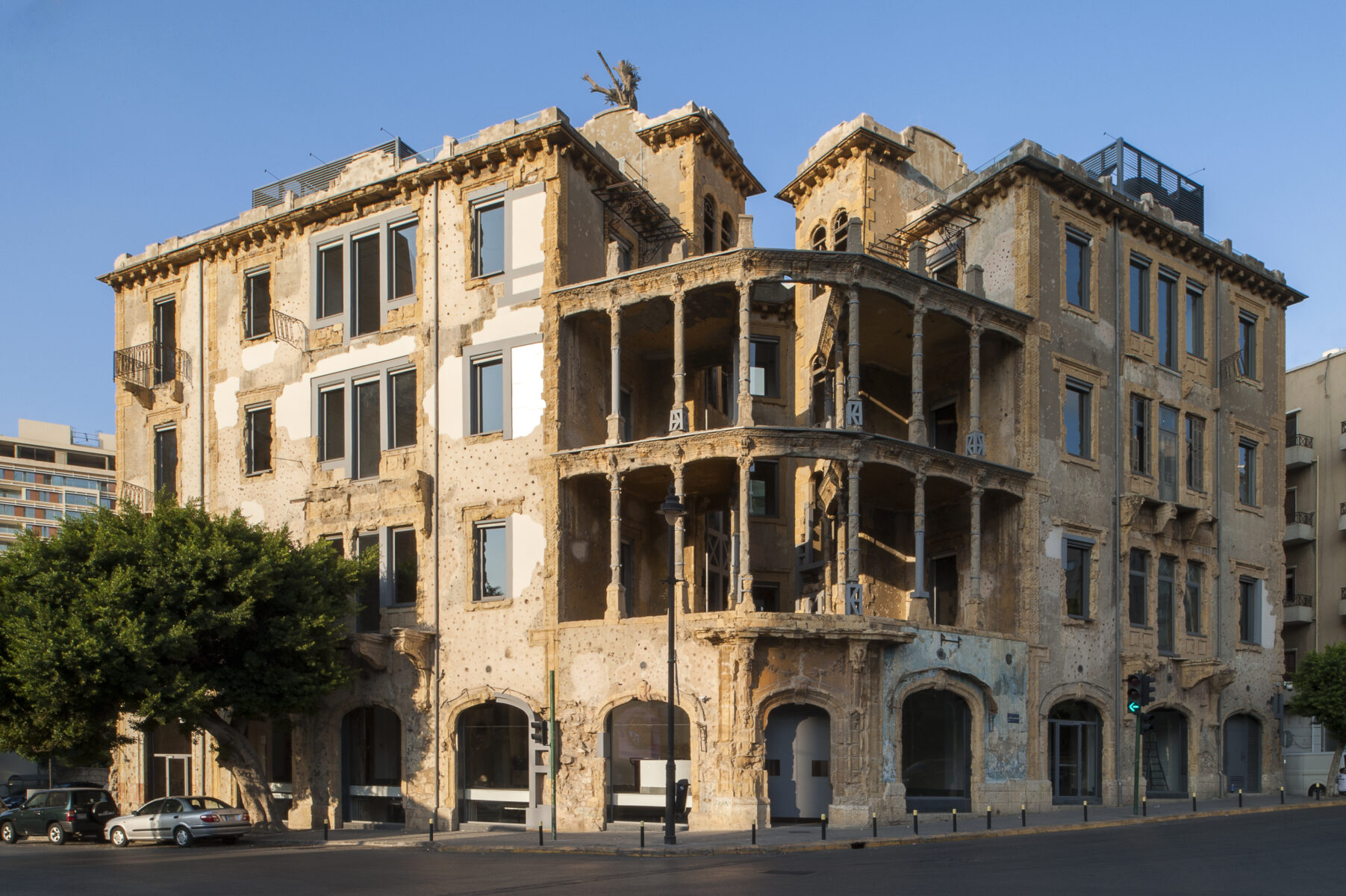
3. Beit Beirut
A historic building preserving the city’s wartime past, Beit Beirut offers museum exhibits, archives, and cultural programs that tell the story of the city and its communities.
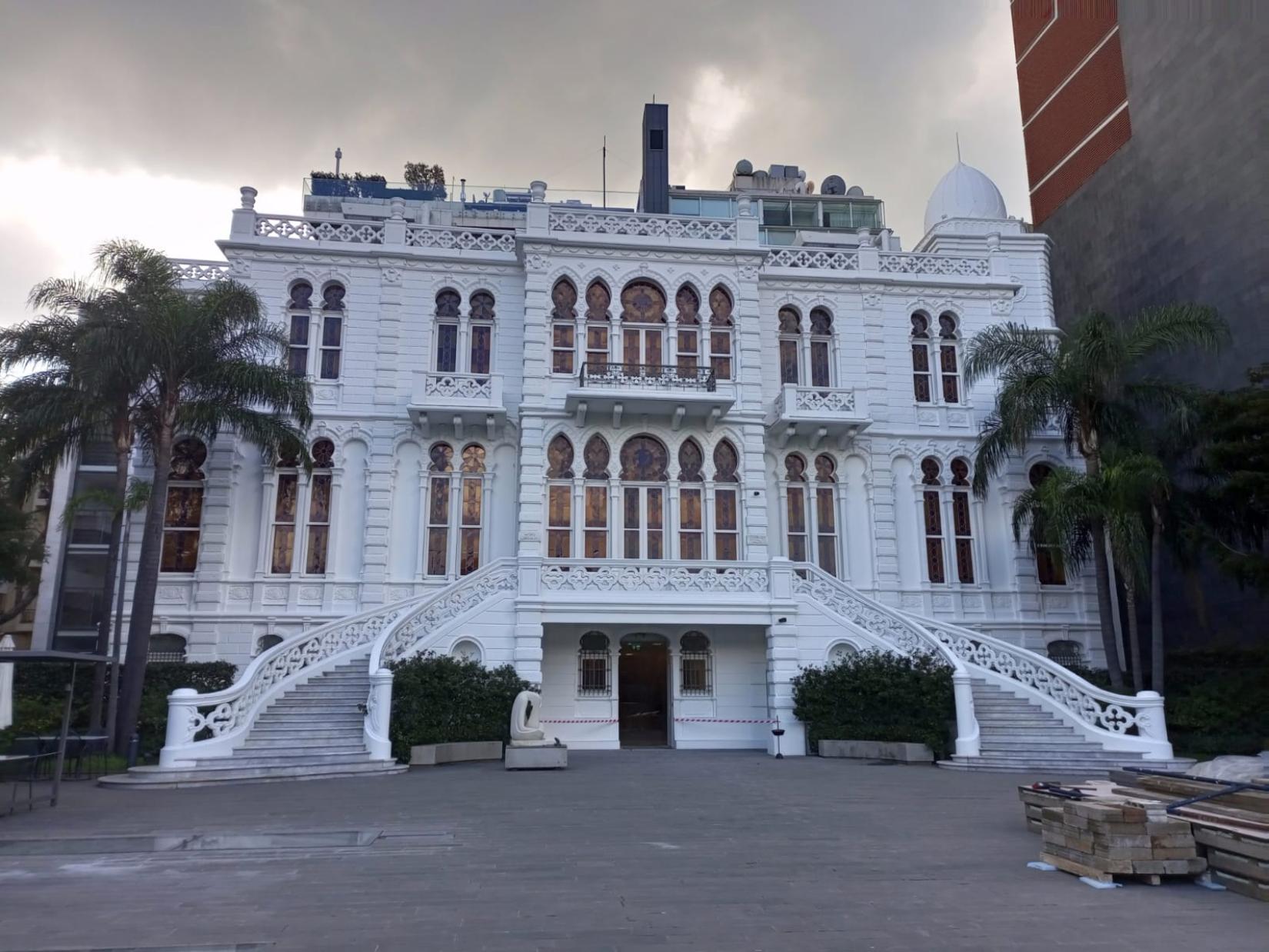
4. Sursock Museum
This modern art museum hosts contemporary exhibitions alongside literary and creative events, blending the past and present of Beirut’s cultural life.
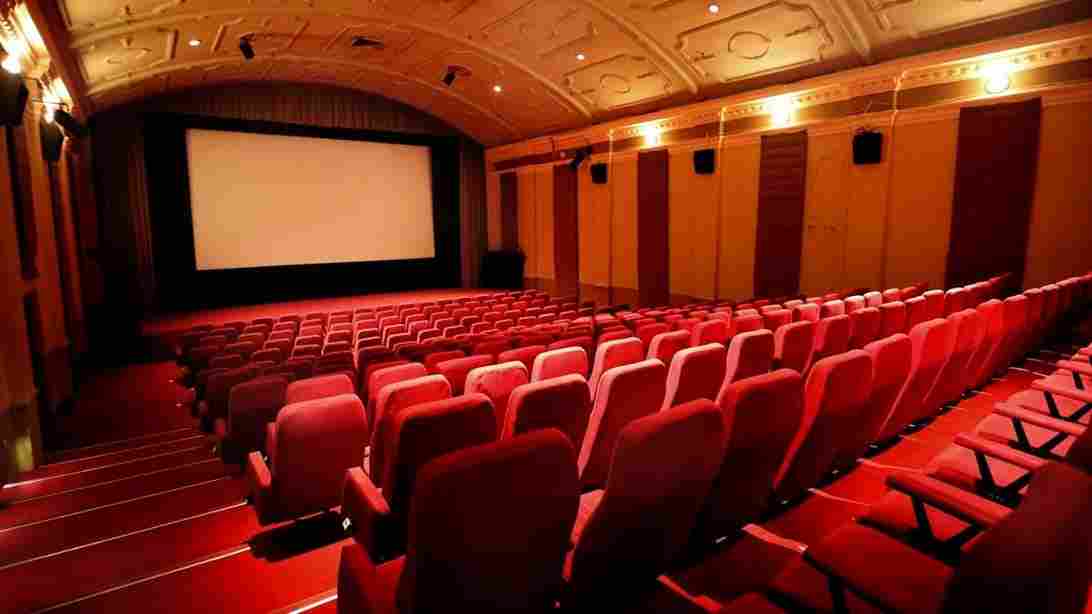
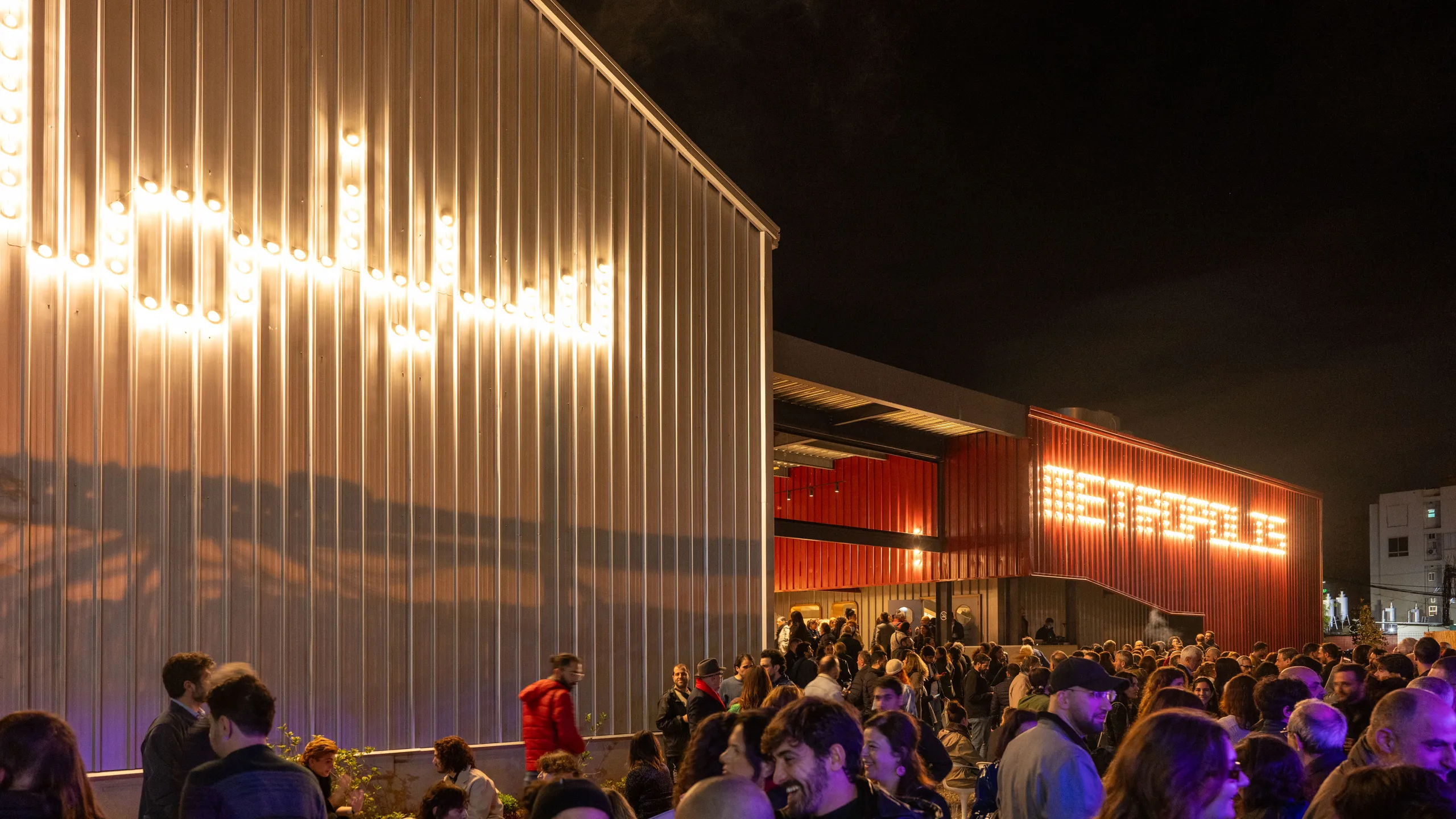
5. Metropolis Cinema
An independent cinema in Mar Mikhaël, Metropolis screens documentaries, arthouse films, and local productions, making it a go-to destination for people seeking diverse cinematic experiences.
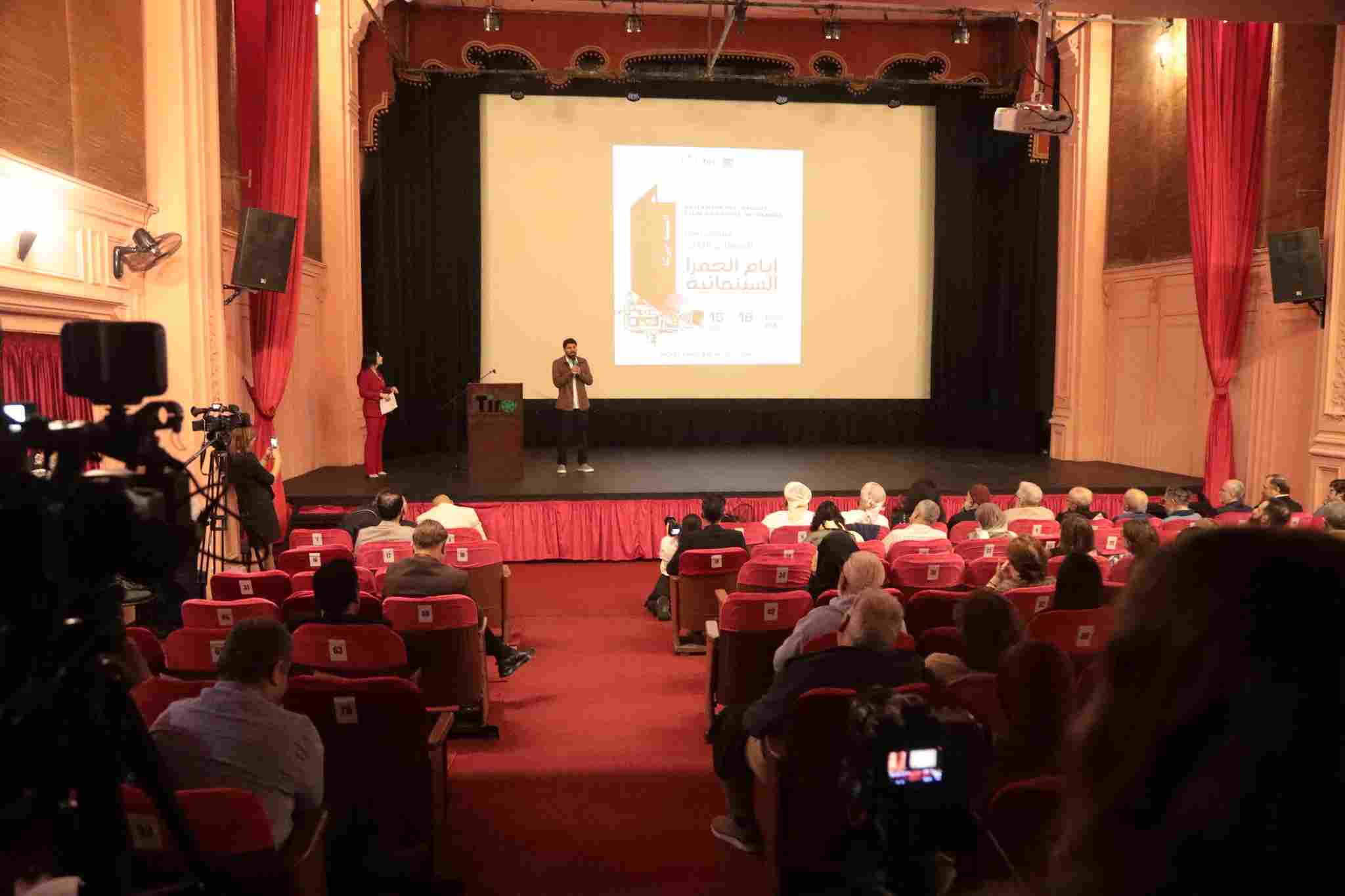
6. Le Colisée Cinema
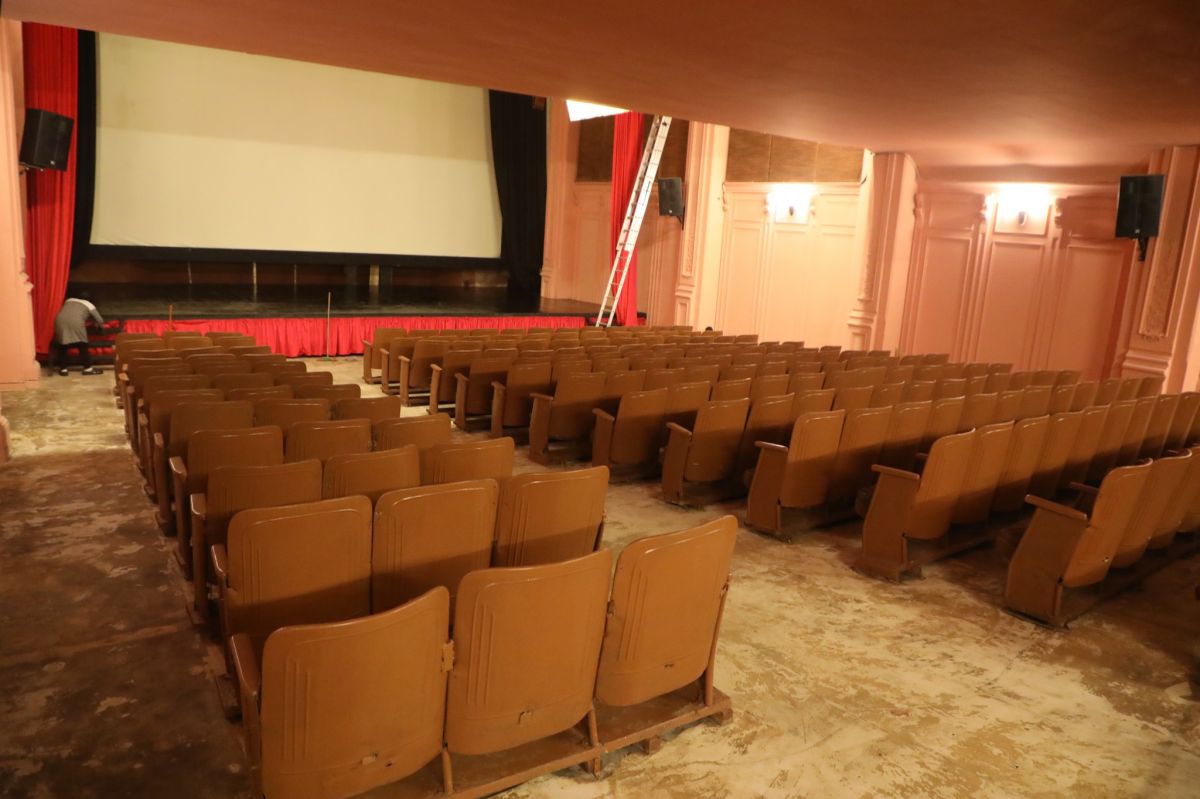
A historic pillar of Beirut’s performing arts scene, the theater has presented independent productions for decades. Known for its resilience and commitment to cultural expression, it hosts plays ranging from classic dramas to experimental performances.
"Cultural spaces in Beirut often function as refuges, meeting points, and sites of possibility," Nehme notes. "They offer people a sense of belonging, continuity, and dignity in a context that frequently denies these things."
Whether through exhibitions, performances, or community programs, these spaces are more than venues; they are spaces for creativity, dialogue, and hope, offering a glimpse into Beirut’s resilient and diverse cultural life.