



WORLD - Growing scientific evidence shows that oral health is not limited to the mouth alone, but may also serve as an important marker for overall health and the likelihood of early mortality.
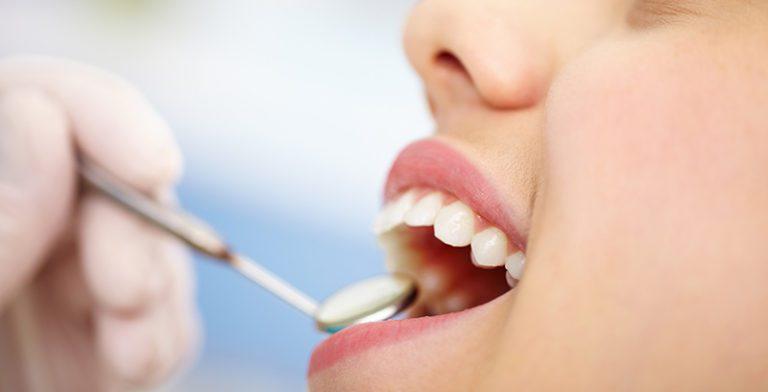
In this context, a research team led by scientists from Osaka University in Japan conducted a large-scale study analyzing the health and dental records of 190,282 adults aged 75 and older. The researchers classified the condition of each tooth individually as missing, healthy, filled (restored), or decayed.
The results showed that having a higher number of healthy or filled teeth was associated with a lower risk of death at comparable rates, while an increase in missing or decayed teeth was clearly linked to a higher risk of death supporting previous studies that examined the relationship between oral health and longevity.
The scientists explained that “the total number of healthy and filled teeth is a more accurate predictor of all-cause mortality than the number of healthy teeth alone or the combined number of healthy, filled, and decayed teeth".
All-cause mortality refers to the probability of dying prematurely regardless of the cause, and oral health is believed to be closely connected to overall health through multiple factors, most notably chronic inflammation.
The team noted that tooth loss or decay can lead to ongoing infections that may spread to other parts of the body. Additionally, missing teeth can make chewing food difficult, negatively affecting nutrition and maintaining a healthy, balanced diet.
These findings highlight the importance of oral care, as restoring and treating teeth not only maintains oral health but may also reduce the risk of premature death.
However, the scientists acknowledged that their study has some limitations, as results may be influenced by other factors not included in the data, such as socioeconomic status, which can affect access to healthcare and life expectancy.
The research team emphasized that future studies should not only consider the number of teeth but also include assessments of their clinical condition, noting that the reasons for higher rates of premature death among older adults with tooth loss still require further investigation.