



WORLD - Doctors have successfully performed a coronary artery bypass surgery without opening the patient’s chest, a procedure traditionally requiring major open-heart surgery.
The breakthrough, reported in Circulation: Cardiovascular Interventions, could pave the way for a less invasive option for people at risk of blocked arteries.
Coronary artery bypass grafting (CABG) is a surgery that reroutes blood around blocked arteries to ensure the heart gets enough oxygen.
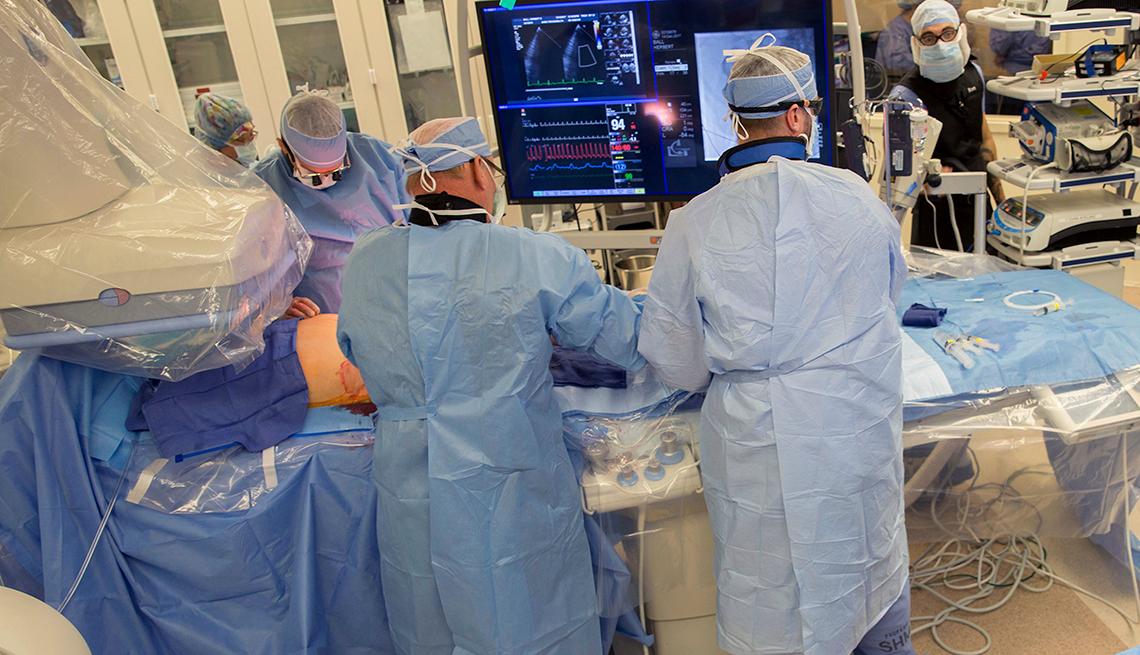
In this new approach, called VECTOR, short for ventriculo-coronary transcatheter outward navigation and re-entry, surgeons threaded tiny surgical tools through a blood vessel in the patient’s leg instead of cutting through the chest.
“This required some out-of-the-box thinking, but I believe we developed a highly practical solution,” said Dr. Christopher Bruce of the U.S. National Heart, Lung, and Blood Institute and Emory School of Medicine, who led the team.
The first patient to receive VECTOR could not undergo traditional open-heart CABG due to heart failure and old, poorly functioning artificial heart valves.
Six months after the procedure, doctors reported no signs of coronary artery blockage, indicating that the surgery was a success.
The VECTOR technique builds on advances in minimally invasive heart procedures, similar to how some aortic valve replacements are now performed.
By avoiding the large chest incision, patients may face less pain, shorter hospital stays, and faster recovery.
While the initial results are promising, researchers emphasize that further testing in more patients is needed before the technique becomes widely available.
The procedure represents a significant milestone in cardiac surgery, showing how innovation and minimally invasive techniques could transform the future of heart care.