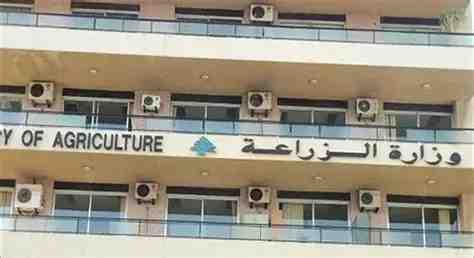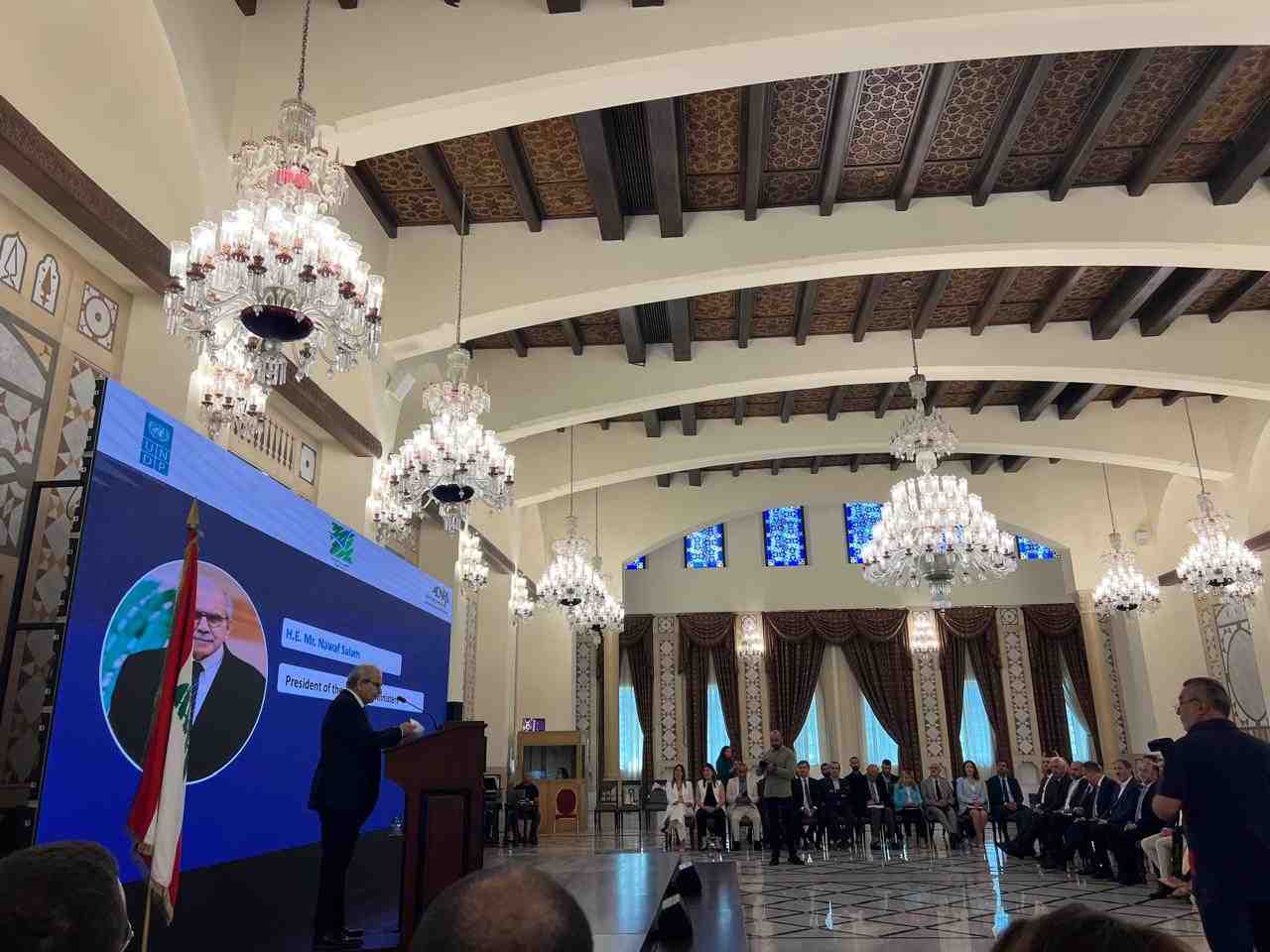


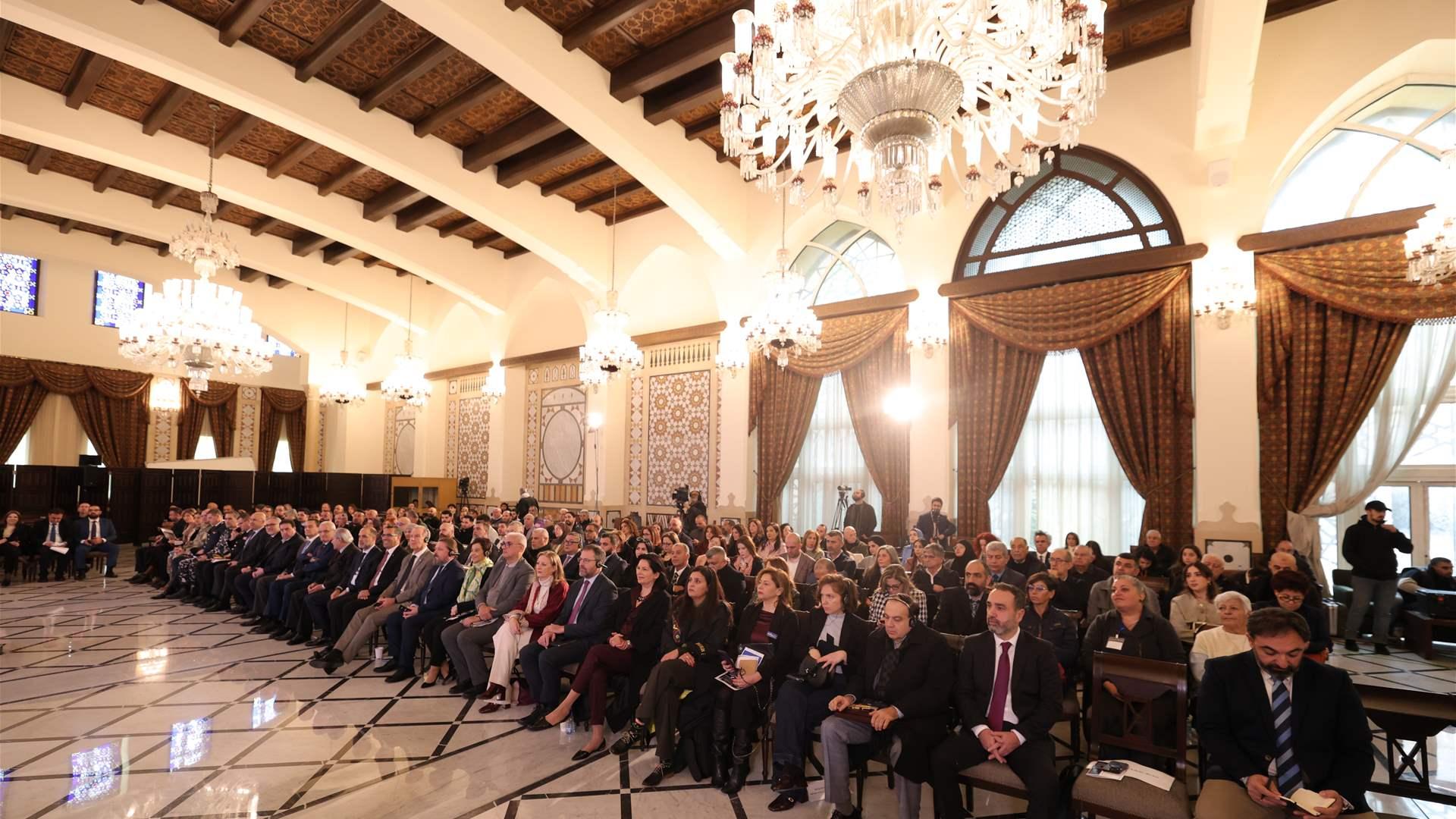
BEIRUT — Lebanon’s Ministry of Agriculture on Monday organized the National Fisheries Conference at the Grand Serail in Beirut to address challenges facing the fisheries sector.
In cooperation with IndyACT, the University of Balamand, and ACTED, the event brought together government officials, experts, civil society representatives, and fishermen.
Representing Prime Minister Nawaf Salam, Agriculture Minister Nizar Hani said the fisheries sector is a key pillar of Lebanon’s food security and national economy.
He stressed that the ministry is giving the sector special attention amid worsening environmental and economic conditions.
Minister Hani reaffirmed the Ministry of Agriculture’s commitment to working with local and international partners to develop sustainable policies for managing marine resources.
He also highlighted plans to strengthen legal and regulatory frameworks, improve monitoring and enforcement, and protect fish stocks, while improving living conditions for fishermen and ensuring their livelihoods.
Transport Minister Fayez Rasamni said protecting Lebanon’s marine environment is an essential part of national maritime transport, port management, and marine safety policies.
He emphasized the need for stronger coordination among relevant ministries and public institutions to ensure integrated management of maritime spaces.
Minister Rasamni also pledged support for initiatives aimed at reducing marine pollution and regulating maritime activities, noting that such efforts are critical for developing the blue economy and protecting coastal communities.
The conference focused on the current state of fisheries in Lebanon, including environmental degradation and the alarming decline in fish stocks.
Participants warned that overfishing and weak governance have placed severe pressure on marine ecosystems.
IndyACT described the conference as a key moment to launch a serious national discussion on the future of Lebanon’s fisheries. The organization called for moving away from short-term responses toward long-term, science-based solutions.
Among its main recommendations, IndyACT urged the creation of a network of marine protected areas covering 30% of Lebanon’s waters.
The organization said scientific studies show that no-fishing zones are among the most effective tools to restore fish stocks and help marine ecosystems recover.
Organizers stressed that successful fisheries management requires the active participation of government bodies, international organizations, civil society, academic institutions, the private sector, and fishermen’s unions.
The conference marks the first in a series of initiatives under the slogan, “Let the Sea Beat Again.”